
PRP Therapy for Hair Loss: How It Works
Hair loss affects millions of people worldwide and can impact confidence and self-esteem. Whether caused by genetics, hormonal changes, stress, or medical conditions, thinning hair often leads individuals to seek effective treatment options. Among modern non-surgical solutions, Platelet-Rich Plasma (PRP) therapy has gained significant popularity for its ability to promote natural hair growth.
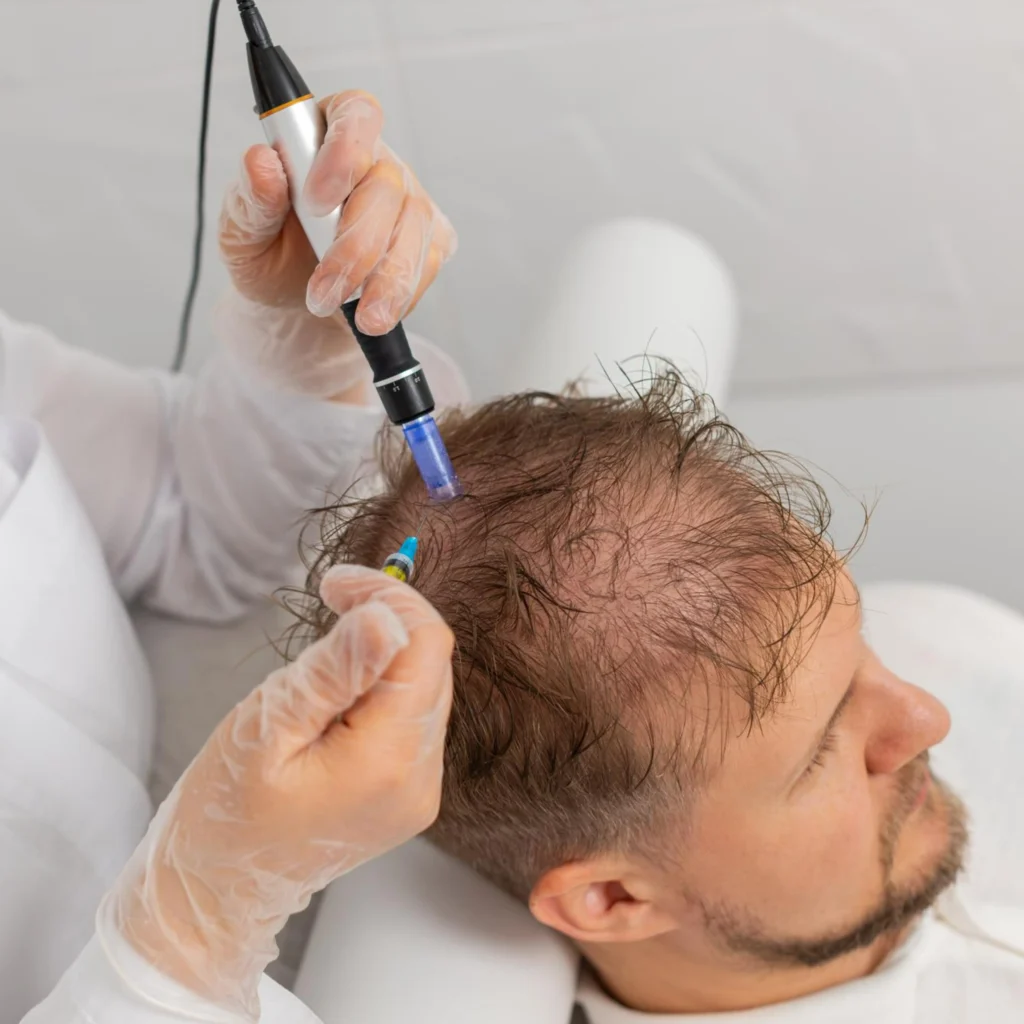
PRP therapy is considered a minimally invasive treatment that uses the body’s own healing properties to stimulate hair follicles and encourage healthier, thicker hair growth. Understanding how PRP therapy works can help individuals decide whether it may be a suitable option for their hair restoration journey.
What Is PRP Therapy?
PRP stands for Platelet-Rich Plasma, a concentrated component of blood containing a high number of platelets and growth factors. Platelets are best known for helping the body heal injuries, but they also release proteins and growth factors that support tissue repair and regeneration.
In PRP hair treatment, a patient’s own blood is processed to isolate platelet-rich plasma, which is then injected into targeted areas of the scalp experiencing hair thinning or hair loss.
The purpose of this treatment is to stimulate dormant or weakened hair follicles and create an environment that supports stronger and healthier hair growth.
How PRP Therapy Works for Hair Loss
PRP treatment generally involves a simple three-step process:
Step 1: Blood Collection
A small amount of blood is drawn from the patient’s arm, similar to a routine blood test.
Step 2: Plasma Separation
The collected blood is placed into a centrifuge machine that spins at high speed. This process separates the platelet-rich plasma from other blood components.
The concentrated plasma contains growth factors believed to support healing and cellular repair.
Step 3: Scalp Injections
The PRP solution is carefully injected into specific areas of the scalp where hair thinning or hair loss occurs.
These growth factors may help:
- Stimulate inactive hair follicles
- Improve blood supply to the scalp
- Increase follicle strength
- Extend the growth phase of hair
- Support thicker and healthier hair strands
Over time, repeated sessions may encourage improved hair density and reduce ongoing hair shedding.
Conditions PRP Therapy May Help Treat
PRP therapy is often used for individuals experiencing:
- Male pattern baldness
- Female pattern hair loss
- Thinning hair
- Early-stage hair loss
- Hair shedding related to stress or hormonal changes
Results can vary depending on the cause and severity of hair loss.
Patients with active hair follicles generally respond better compared to those with complete follicle loss.
Benefits of PRP Therapy
PRP therapy has become increasingly popular due to several advantages:
Natural Treatment Approach
Because the treatment uses the patient’s own blood, the risk of allergic reactions or rejection is very low.
Minimally Invasive Procedure
PRP does not require surgery, large incisions, or extensive recovery time.
Quick Treatment Sessions
Sessions often take less than an hour, making them convenient for many individuals.
Minimal Downtime
Most patients can return to normal activities shortly after treatment.
Potential Improvement in Hair Thickness
Many individuals report improvements in hair texture, density, and overall scalp health after multiple sessions.
What to Expect During Recovery
Recovery after PRP therapy is usually minimal. Some patients may experience:
- Mild tenderness
- Temporary redness
- Slight swelling at injection sites
- Minor scalp sensitivity
These effects generally resolve within a few days.
Multiple treatment sessions are often recommended over several months to achieve optimal results.
Is PRP Therapy Right for Everyone?
Although PRP therapy can provide promising results, it may not be suitable for everyone. Certain medical conditions, blood disorders, or advanced hair loss stages may affect treatment outcomes.
A detailed consultation with a qualified specialist is important to determine whether PRP therapy aligns with an individual’s needs and expectations.
Final Thoughts
PRP therapy offers an innovative and natural approach to hair restoration by using the body’s own healing mechanisms to stimulate hair growth. While results vary from person to person, many individuals see improvements in hair thickness and reduced hair shedding after consistent treatment sessions.
For people looking for a non-surgical option to address early hair loss or thinning hair, PRP therapy continues to emerge as a promising solution in modern hair restoration treatments.