
Author name: ETNS@011224_User

Facelift Surgery: Benefits, Procedure, Recovery & Cost Guide
ASthetic Excellence

Facelift Surgery: Benefits, Procedure, and Recovery

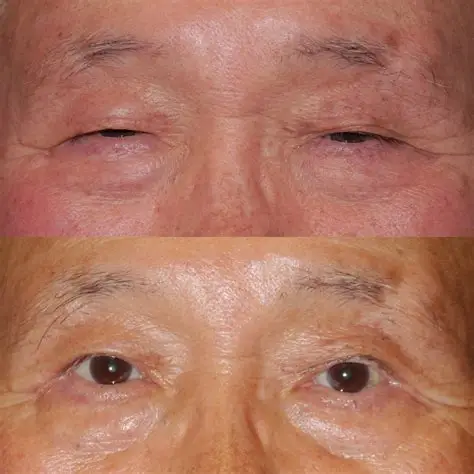
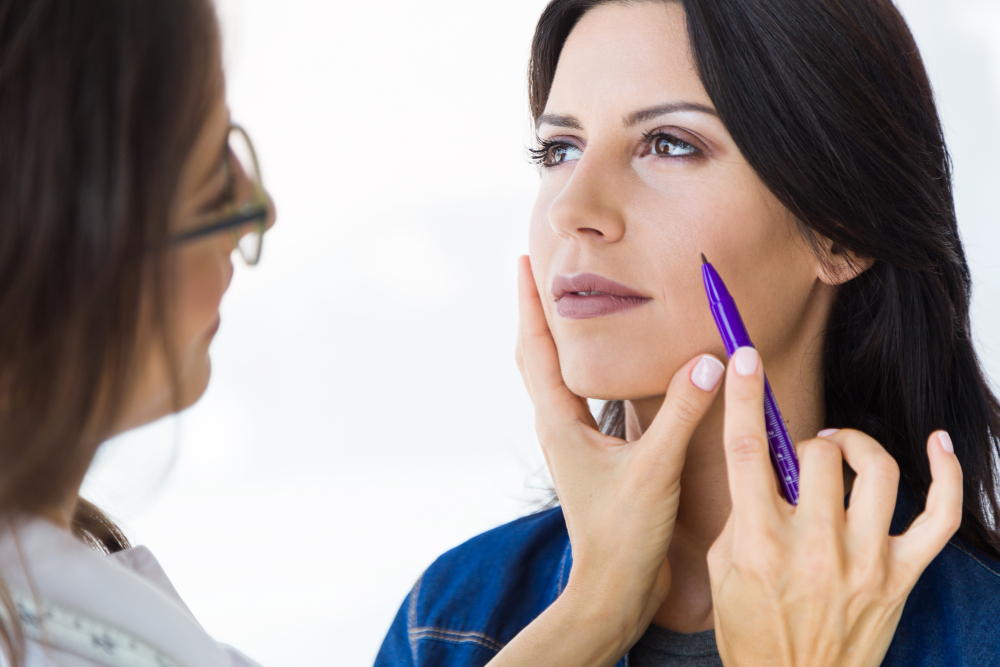
Facelift Surgery: Benefits, Procedure, and Recovery Facelift surgery, medically known as Rhytidectomy, is a popular cosmetic procedure designed to reduce visible signs of aging on the face and neck. As people age, skin loses elasticity, muscles weaken, and fat deposits shift—leading to sagging skin, wrinkles, and a tired appearance. A facelift helps restore a more youthful, refreshed look. What is a Facelift? A facelift is a surgical procedure that tightens and lifts facial tissues, removes excess skin, and repositions underlying muscles to improve facial contours. It mainly targets: Benefits of Facelift Surgery 1. Youthful Appearance Facelift surgery significantly reduces wrinkles and sagging, making you look younger and more refreshed. 2. Long-Lasting Results Unlike non-surgical treatments, facelift results can last for several years, depending on lifestyle and skin condition. 3. Improved Confidence Many patients experience a boost in self-esteem after achieving a more youthful look. 4. Natural-Looking Results Modern techniques ensure subtle, natural outcomes rather than an overly “tight” or artificial appearance. Facelift Procedure: Step-by-Step 1. Consultation The process begins with a detailed consultation where the surgeon evaluates your facial structure, skin condition, and discusses your goals. 2. Anesthesia Facelift surgery is typically performed under general anesthesia or local anesthesia with sedation. 3. Incision Incisions are usually made along the hairline and around the ears to minimize visible scarring. 4. Tissue Repositioning The surgeon lifts and tightens underlying tissues and muscles, redistributes fat, and removes excess skin. 5. Closure Incisions are carefully closed with sutures or skin adhesives for minimal scarring. Recovery After Facelift Surgery First Few Days 1–2 Weeks 3–4 Weeks Full Recovery Complete healing may take a few months, with final results becoming more visible over time. Risks and Considerations Like any surgical procedure, facelift surgery carries some risks, including: Choosing a qualified and experienced surgeon significantly reduces these risks. Who is an Ideal Candidate? You may be a good candidate for a facelift if you: Final Thoughts Facelift surgery is an effective solution for those looking to reverse visible signs of aging and regain a youthful appearance. With advancements in cosmetic surgery, the procedure is safer and delivers more natural-looking results than ever before. However, it is important to consult with a qualified professional to understand the best approach tailored to your needs. If you’re considering a facelift, take time to research, consult experts, and weigh the benefits and risks carefully before making a decision.

Rhinoplasty (Nose Surgery): Procedure, Benefits, Cost & Recovery Guide
Rhinoplasty

Rhinoplasty (Nose Surgery): Everything You Need to Know

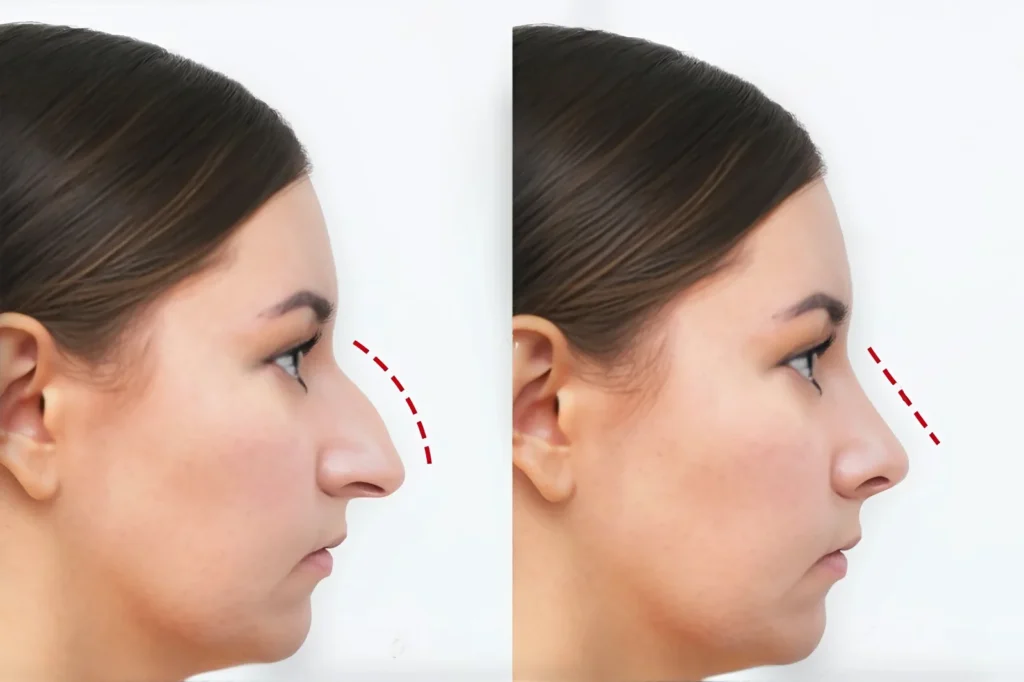
Rhinoplasty (Nose Surgery): Everything You Need to Know Rhinoplasty, commonly known as a “nose job,” is one of the most popular cosmetic surgical procedures worldwide. It is performed to reshape or reconstruct the nose for aesthetic improvement or to correct functional issues such as breathing difficulties. Whether you are considering rhinoplasty for cosmetic reasons or medical necessity, understanding the procedure is essential. What is Rhinoplasty? Rhinoplasty is a surgical procedure that changes the shape, size, or structure of the nose. It can enhance facial harmony, correct birth defects, repair injuries, or improve breathing problems caused by structural issues like a deviated septum. Types of Rhinoplasty 1. Cosmetic Rhinoplasty This type focuses on improving the appearance of the nose. It may involve: 2. Functional Rhinoplasty Performed to improve breathing by correcting internal nasal structures such as a deviated septum. 3. Revision Rhinoplasty A secondary procedure done to correct or improve the results of a previous rhinoplasty. 4. Reconstructive Rhinoplasty Used to restore the nose after trauma, injury, or medical conditions such as cancer. Who is a Good Candidate? You may be a good candidate for rhinoplasty if: The Procedure Rhinoplasty is typically performed under general or local anesthesia. The surgeon may use one of two approaches: The surgeon then reshapes the bone, cartilage, or both to achieve the desired result. Recovery and Healing Recovery varies from person to person, but generally: Patients are advised to avoid strenuous activities and protect their nose during the healing phase. Risks and Complications Like any surgery, rhinoplasty carries some risks, including: Choosing an experienced surgeon significantly reduces these risks. Benefits of Rhinoplasty Cost of Rhinoplasty The cost of rhinoplasty varies depending on: In India, the cost typically ranges from ₹50,000 to ₹2,50,000 or more. Final Thoughts Rhinoplasty is a highly personalized procedure that can bring both aesthetic and functional improvements. However, it is important to have a detailed consultation with a qualified plastic surgeon to discuss your goals, expectations, and potential outcomes. If you are considering rhinoplasty, take time to research, ask questions, and make an informed decision. A well-planned surgery can significantly enhance both your appearance and quality of life.

How Cosmetic Surgery Improves Confidence and Self-Image | Benefits & Insights
Uncategorized

How Cosmetic Surgery Can Improve Confidence and Self-Image

How Cosmetic Surgery Can Improve Confidence and Self-Image In today’s appearance-conscious world, confidence often goes hand in hand with how we feel about our physical appearance. While true self-worth comes from within, there’s no denying that feeling comfortable in your own skin can significantly boost your confidence. This is where cosmetic surgery plays an important role—not just in enhancing physical features, but also in improving self-image and emotional well-being. Understanding Cosmetic Surgery Cosmetic surgery focuses on enhancing a person’s appearance through surgical and medical techniques. Popular procedures include rhinoplasty (nose reshaping), liposuction, breast augmentation, facelifts, and more. Unlike reconstructive surgery, which addresses medical issues, cosmetic procedures are primarily elective and aesthetic-driven. The Link Between Appearance and Confidence Our appearance often influences how we perceive ourselves and how others perceive us. When someone feels unhappy about a particular feature—such as their nose, skin, or body shape—it can lead to self-consciousness, social anxiety, and even low self-esteem. Cosmetic surgery can help address these concerns by aligning a person’s physical appearance with their desired look, thereby improving their self-confidence. Key Ways Cosmetic Surgery Improves Confidence 1. Enhancing Physical Appearance One of the most obvious benefits of cosmetic surgery is improved appearance. When individuals see a positive change in their looks, it can lead to increased satisfaction and pride in their appearance. 2. Boosting Self-Esteem Correcting perceived imperfections can significantly improve how individuals feel about themselves. Whether it’s removing excess fat or reshaping facial features, these changes often lead to a stronger sense of self-worth. 3. Reducing Social Anxiety Many people avoid social situations due to insecurities about their appearance. After undergoing cosmetic procedures, individuals often feel more confident interacting with others, attending events, and expressing themselves freely. 4. Improving Mental Well-being Feeling good about your appearance can have a direct impact on mental health. Increased confidence can reduce stress, anxiety, and even symptoms of depression in some cases. 5. Encouraging a Positive Lifestyle After cosmetic surgery, many individuals feel motivated to maintain their results through healthier habits such as regular exercise, balanced diet, and proper skincare. Important Considerations Before Choosing Cosmetic Surgery While cosmetic surgery offers many benefits, it’s important to approach it with realistic expectations and proper research. Is Cosmetic Surgery Right for You? Cosmetic surgery is a personal decision. It can be life-changing for many, but it’s not a solution for deep-rooted self-esteem issues. Consulting with professionals and understanding your motivations is key to achieving satisfying results. Conclusion Cosmetic surgery can be a powerful tool for improving confidence and self-image when approached responsibly. By enhancing physical appearance and addressing personal insecurities, it helps individuals feel more comfortable, confident, and empowered in their daily lives. However, the true goal should always be self-acceptance and overall well-being. Cosmetic procedures should complement your confidence—not define it.

Cosmetic Surgery vs Plastic Surgery: Key Differences Explained Clearly
cosmetic Surgery

Cosmetic Surgery vs Plastic Surgery: What’s the Difference?

Cosmetic Surgery vs Plastic Surgery: What’s the Difference? When people hear the terms cosmetic surgery and plastic surgery, they often assume they mean the same thing. While both fields involve enhancing or reconstructing the human body, they are actually quite different in purpose, training, and procedures. Understanding these differences can help you make more informed decisions if you’re considering a surgical procedure. What is Plastic Surgery? Plastic surgery is a broad medical specialty focused on reconstructing and restoring physical form and function. It is often performed to correct abnormalities caused by: Plastic surgeons are trained to improve both function and appearance, ensuring that the affected area works properly while also looking as natural as possible. Common Plastic Surgery Procedures: What is Cosmetic Surgery? Cosmetic surgery, on the other hand, is primarily focused on enhancing appearance. These procedures are usually elective, meaning they are not medically necessary but are chosen by individuals who want to improve their looks or boost confidence. Common Cosmetic Surgery Procedures: Cosmetic surgery can be performed on various parts of the body, including the face, neck, and body. Key Differences Between Cosmetic and Plastic Surgery Aspect Plastic Surgery Cosmetic Surgery Purpose Reconstruction and restoration Aesthetic enhancement Medical Necessity Often medically required Usually elective Focus Function + appearance Appearance only Training Specialized in reconstructive techniques Focus on aesthetic procedures Insurance Often covered Rarely covered Overlap Between the Two Interestingly, there is some overlap between cosmetic and plastic surgery. For example, a procedure like rhinoplasty can be performed to improve breathing (plastic surgery) or to enhance the shape of the nose (cosmetic surgery). Many plastic surgeons are also trained in cosmetic procedures, but not all cosmetic surgeons have formal training in plastic surgery. Which One Should You Choose? Choosing between cosmetic and plastic surgery depends on your goals: It’s crucial to consult a qualified and board-certified surgeon who understands your needs and can guide you safely through the process. Final Thoughts While cosmetic and plastic surgery are closely related, they serve different purposes. Plastic surgery focuses on restoring function and correcting defects, while cosmetic surgery is all about improving appearance. Knowing the difference ensures you choose the right procedure—and the right surgeon—for your needs.

Liposuction procedure
Liposuction Surgery

Liposuction: How It Works and Who Should Consider It

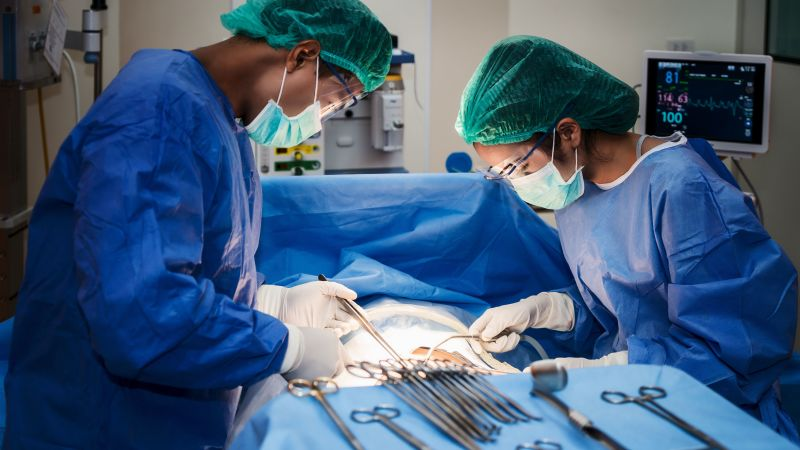
Liposuction: How It Works and Who Should Consider It Liposuction is one of the most popular cosmetic procedures worldwide, designed to remove stubborn fat deposits that don’t respond to diet and exercise. While it’s not a weight-loss solution, it can significantly enhance body contours and boost confidence when done correctly. What is Liposuction? Liposuction is a surgical procedure that removes excess fat from specific areas of the body such as the abdomen, thighs, hips, arms, back, and chin. It is commonly chosen by individuals who are close to their ideal body weight but struggle with localized fat pockets. How Does Liposuction Work? The procedure involves several key steps: 1. AnesthesiaDepending on the area and extent of fat removal, local or general anesthesia is administered to ensure patient comfort. 2. Small IncisionsTiny incisions are made in the targeted area to allow the insertion of a thin tube called a cannula. 3. Fat BreakdownThe fat is loosened using techniques such as: 4. Fat RemovalThe loosened fat is suctioned out through the cannula, sculpting the body into a more defined shape. Areas Commonly Treated Who Should Consider Liposuction? Liposuction is suitable for individuals who: It is important to note that liposuction is not a treatment for obesity or a substitute for a healthy lifestyle. Who Should Avoid Liposuction? You may not be an ideal candidate if you: Benefits of Liposuction Risks and Considerations Like any surgical procedure, liposuction comes with potential risks: Choosing a qualified and experienced surgeon significantly reduces these risks. Recovery and Results Recovery time varies depending on the extent of the procedure. Most patients can return to normal activities within a few weeks, although swelling may take longer to subside. Final results are usually visible after a few months. Maintaining a healthy diet and regular exercise routine is essential to preserve the results. Final Thoughts Liposuction can be an effective solution for refining body shape and removing stubborn fat, but it’s important to approach it with realistic expectations. Consulting with a certified cosmetic surgeon is the best way to determine whether this procedure is right for you. If you’re considering liposuction, focus on overall health and long-term lifestyle changes to maximize and maintain your results.

Regenerative Aesthetics: The Future of Natural Beauty Treatments
ASthetic Excellence

Regenerative Aesthetics: The Future of Beauty

Regenerative Aesthetics: The Future of Beauty Can Your Body Heal Itself for Beauty? The beauty industry is undergoing a powerful transformation. Instead of relying solely on artificial fillers and invasive procedures, a new approach is gaining momentum—regenerative aesthetics. This cutting-edge field focuses on enhancing beauty by stimulating the body’s own natural healing and renewal processes. But what exactly does that mean? Can your body truly heal itself to improve your appearance? Let’s explore. What is Regenerative Aesthetics? Regenerative aesthetics is a branch of cosmetic medicine that uses biological materials from your own body to repair, restore, and rejuvenate skin and tissues. The goal isn’t just to temporarily enhance your looks—it’s to improve skin quality at a cellular level. Unlike traditional cosmetic treatments that add volume or tighten skin artificially, regenerative methods aim to: Key Treatments in Regenerative Aesthetics 1. PRP (Platelet-Rich Plasma) Therapy PRP therapy is one of the most popular regenerative treatments today. How it works: Benefits: PRP is often used for facial rejuvenation (sometimes called the “vampire facial”), hair restoration, and even scar treatment. 2. Exosome Therapy Exosomes are tiny particles released by stem cells that play a key role in cell communication and healing. How it works: Benefits: This is one of the most advanced and rapidly growing areas in aesthetic medicine. 3. Fat Grafting (Autologous Fat Transfer) Fat grafting involves transferring fat from one part of your body to another. How it works: Benefits: Since it uses your own tissue, the risk of allergic reaction is minimal. Why Regenerative Aesthetics is the Future Natural Results Because treatments use your own biological material, results look more natural and subtle. Long-Term Benefits Instead of temporary fixes, regenerative procedures improve skin health over time. Minimally Invasive Most treatments involve injections rather than surgery, reducing downtime and risk. Personalized Treatment Every procedure is tailored to your body, making outcomes more effective. Are There Any Risks? While regenerative aesthetics is generally safe, it’s important to: The Big Question: Can Your Body Heal Itself for Beauty? The answer is—yes, to a significant extent. Your body already has the tools to repair and regenerate. Regenerative aesthetics simply activates and enhances those natural processes. Instead of adding something foreign, it works with what you already have. Final Thoughts Regenerative aesthetics represents a shift toward smarter, safer, and more natural beauty treatments. As technology continues to evolve, these methods will likely become more accessible and refined. If you’re looking for a way to rejuvenate your appearance without drastic changes, this approach might be the future you’ve been waiting for.

Burns: Initial Assessment and Management Guide for First Aid and Emergency Care
Burn Management

Burns: Initial Assessment and Management

Burns: Initial Assessment and Management Burn injuries are among the most common medical emergencies, ranging from minor household incidents to life-threatening trauma. Prompt and appropriate initial assessment and management can significantly reduce complications, improve healing, and even save lives. This blog provides a clear, practical overview of how burns are evaluated and treated in the early stages. Understanding Burns A burn is damage to the skin or deeper tissues caused by heat, chemicals, electricity, radiation, or friction. The severity depends on: Initial Assessment of Burns The first step follows the primary survey approach (ABCDE) used in emergency care: A – Airway B – Breathing C – Circulation D – Disability (Neurological status) E – Exposure Secondary Assessment After stabilizing the patient: Classification of Burns 1. By Depth: Estimating Burn Size A common method is the Rule of Nines, which divides the body into sections, each representing 9 percent (or multiples of 9 percent) of total body surface area. Initial Management of Burns 1. Stop the Burning Process 2. First Aid Measures 3. Pain Management 4. Fluid Resuscitation For major burns: 5. Prevent Infection 6. Tetanus Prophylaxis When to Seek Hospital Care Immediate medical attention is needed if: Complications to Watch For Key Takeaways Burn care does not end with first aid. Proper follow-up, wound care, and rehabilitation are essential for full recovery. Understanding these basics equips you to respond effectively in emergencies and potentially make a life-saving difference.

Rhinoplasty trends 2026
Rhinoplasty

Rhinoplasty Trends 2026: What’s Changing in Nose Jobs

Rhinoplasty Trends 2026: What’s Changing in Nose Jobs Introduction Rhinoplasty, commonly known as a nose job, continues to be one of the most popular cosmetic procedures worldwide. In 2026, however, the approach to nose reshaping is evolving significantly. Patients are no longer seeking dramatic transformations—instead, the focus has shifted toward natural, personalized, and minimally invasive results. With advancements in technology and changing beauty standards, rhinoplasty is entering a new era defined by precision, subtlety, and individuality. 1. The Rise of Natural-Looking Results The biggest trend in 2026 is clear: “enhance, don’t alter.” Patients now prefer: Modern rhinoplasty focuses on preserving the natural structure of the nose while improving aesthetics. This shift reflects a broader movement in cosmetic surgery toward authenticity and long-term satisfaction. 2. Preservation Rhinoplasty Techniques A major innovation is preservation rhinoplasty, which avoids aggressive reshaping. Key benefits: Unlike traditional methods, surgeons now focus on refining rather than reconstructing the nose. 3. Ultrasonic and Advanced Technology Technology is playing a crucial role in modern nose jobs. New techniques include: These advancements make procedures: As a result, patients experience faster recovery and more predictable outcomes. 4. Non-Surgical Nose Jobs (Liquid Rhinoplasty) Non-surgical options are becoming increasingly popular in 2026. Using dermal fillers, doctors can: Why patients prefer it: However, these results are temporary, making them ideal for those who want to “test” changes before committing to surgery. 5. Functional + Cosmetic Combination Modern rhinoplasty is no longer just about looks—it’s about functionality too. Surgeons now combine: This dual approach ensures: Patients are increasingly prioritizing health along with aesthetics. 6. Ethnic Rhinoplasty & Personalization Another major trend is the rise of ethnic rhinoplasty, which respects cultural identity. Instead of standardizing beauty: This reflects a global shift toward diversity and inclusivity in beauty standards. 7. Faster Recovery and Minimal Downtime Patients today want quicker recovery times. New methods offer: This convenience is making rhinoplasty more accessible and appealing than ever. 8. Growing Demand Across Age Groups Rhinoplasty is no longer limited to young adults. In 2026: The procedure is becoming more common across all age groups, driven by social acceptance and better outcomes. 9. Blending Surgical and Non-Surgical Treatments A key trend is combining treatments for optimal results. For example: This hybrid approach delivers: Conclusion Rhinoplasty in 2026 is defined by precision, personalization, and natural beauty. The days of dramatic, one-size-fits-all nose jobs are fading, replaced by techniques that enhance individuality while preserving identity. Whether through advanced technology, minimally invasive methods, or customized procedures, the future of rhinoplasty is focused on subtle transformation with maximum impact.

Recover Safely After a Hair Transplant in Humid Weather: Expert Care Tips
Hair Transplant

Recover Safely After a Hair Transplant During Humid Weather

Recover Safely After a Hair Transplant During Humid Weather Hair transplant procedures have become increasingly popular for restoring confidence and achieving natural-looking hair growth. However, recovery plays a critical role in determining the success of the transplant—especially if you live in a humid climate. High humidity can increase sweating, raise the risk of infection, and slow healing if not managed properly. Here’s a complete guide to help you recover safely after a hair transplant during humid weather. Why Humid Weather Affects Recovery Humidity creates a moist environment that can: Since your scalp is sensitive and healing after the procedure, extra care is essential to avoid complications. 1. Keep Your Scalp Clean and Dry Maintaining hygiene is the most important step in humid conditions. If you sweat, clean the area gently as soon as possible. 2. Avoid Direct Sun Exposure Humidity often comes with intense heat and sunlight. Sun exposure can damage newly transplanted follicles and slow healing. 3. Control Sweating Sweating is one of the biggest challenges in humid weather. Excess sweat can loosen grafts and increase infection risk. 4. Follow Medication Strictly Doctors usually prescribe: Take all medications on time and do not skip doses. In humid conditions, this becomes even more crucial. 5. Don’t Touch or Scratch the Scalp Humidity can cause itching—but scratching is dangerous. Touching can dislodge grafts and affect results. 6. Wear Loose, Breathable Clothing Your overall comfort matters during recovery. This helps reduce body heat and sweating. 7. Stay Hydrated and Eat Right A healthy body heals faster. Proper nutrition supports hair growth and tissue repair. 8. Sleep Carefully Sleeping position affects graft safety. This reduces swelling and protects the transplanted area. 9. Avoid Swimming and Rain Exposure In humid regions, rain and water exposure are common. Always keep your scalp protected from unclean water. 10. Attend Follow-Up Appointments Regular check-ups ensure proper healing. Early intervention can prevent complications. Final Thoughts Recovering from a hair transplant in humid weather requires extra care, but it’s completely manageable with the right precautions. Focus on hygiene, avoid sweating, stay cool, and follow your doctor’s guidance strictly. A little discipline during the recovery phase can make a huge difference in achieving dense, natural, and long-lasting hair growth.

Future of Beauty 2026: Top Cosmetic Surgery Trends You Must Know
ASthetic Excellence

The Future of Beauty: Cosmetic Surgery Trends Dominating 2026

The Future of Beauty: Cosmetic Surgery Trends Dominating 2026 The beauty industry is evolving rapidly, and 2026 is setting new standards for how people approach cosmetic enhancements. Today, cosmetic surgery is no longer about dramatic changes or unrealistic perfection. Instead, it focuses on subtle improvements, personalization, and enhancing natural beauty. With advanced technology and shifting mindsets, the future of beauty is becoming more refined, safe, and inclusive. In this blog, we explore the key cosmetic surgery trends shaping 2026 and redefining modern aesthetics. Natural-Looking Enhancements Are the New Standard One of the biggest trends dominating 2026 is the preference for natural results. People are moving away from overly dramatic transformations and opting for subtle enhancements that preserve their identity. Procedures now aim to create balance and harmony rather than noticeable change. Whether it’s facial contouring or body shaping, the focus is on looking refreshed and confident without appearing artificial. Growth of Regenerative Aesthetic Treatments Regenerative aesthetics is gaining strong momentum in 2026. These treatments use the body’s natural healing processes to improve appearance. Popular options include fat transfer procedures and platelet-based therapies. These techniques are favored because they offer long-lasting, natural-looking results while minimizing risks associated with synthetic materials. Rise of Minimally Invasive Procedures Minimally invasive treatments are becoming more popular than ever. Many people prefer procedures that require little to no downtime and provide quick results. Options like advanced fillers, skin tightening treatments, and targeted injectables allow individuals to enhance their appearance without undergoing major surgery. This trend is making cosmetic treatments more accessible to a wider audience. Preventative Approach to Aging In 2026, people are focusing on preventing signs of aging rather than waiting to reverse them later. Younger individuals are starting treatments earlier to maintain youthful skin and delay visible aging. Procedures like early skin tightening and preventive injectables help preserve skin quality and reduce the need for extensive surgeries in the future. Increase in Body Contouring After Weight Loss With growing awareness of fitness and the popularity of weight loss transformations, body contouring procedures are on the rise. People who experience significant weight loss often seek treatments to remove excess skin and improve body shape. These procedures help achieve a more toned and proportionate appearance, boosting confidence after major physical changes. Facial Procedures Taking the Spotlight Facial enhancements continue to dominate the cosmetic surgery industry. Procedures focused on the eyes, face, and neck are becoming increasingly popular. Modern techniques prioritize subtle lifting and rejuvenation, helping individuals look younger while maintaining their natural expressions. AI and Technology-Driven Personalization Technology is playing a major role in shaping cosmetic surgery in 2026. Artificial intelligence and advanced imaging tools are helping doctors create highly personalized treatment plans. Patients can now visualize expected results before undergoing procedures, leading to better decision-making and higher satisfaction rates. Influence of Social Media and Younger Generations Social media continues to influence beauty trends, especially among younger generations. Cosmetic procedures are increasingly viewed as a form of self-care and self-expression. Quick and convenient treatments are particularly popular, allowing individuals to enhance their appearance without disrupting their daily routines. Combination and Hybrid Treatments Another growing trend is the use of combination procedures. Instead of relying on a single treatment, patients are choosing a mix of surgical and non-surgical options for better results. This approach allows for more comprehensive improvements and helps achieve a natural, balanced look. Focus on Safety and Ethical Practices As the industry evolves, there is a stronger emphasis on safety, transparency, and ethical practices. Patients are becoming more informed and selective, choosing qualified professionals and proven techniques. The future of cosmetic surgery is not just about innovation but also about responsibility and trust. Conclusion Cosmetic surgery trends in 2026 highlight a clear shift toward natural beauty, personalization, and advanced technology. The focus is no longer on changing appearances dramatically but on enhancing individuality and boosting confidence. As these trends continue to evolve, the future of beauty will be defined by subtlety, innovation, and a deeper understanding of what it truly means to look and feel your best.

Scroll to Top