Uncategorized

Signs You May Be a Good Candidate for Facelift Surgery
Uncategorized

Signs You May Be a Good Candidate for Facelift Surgery

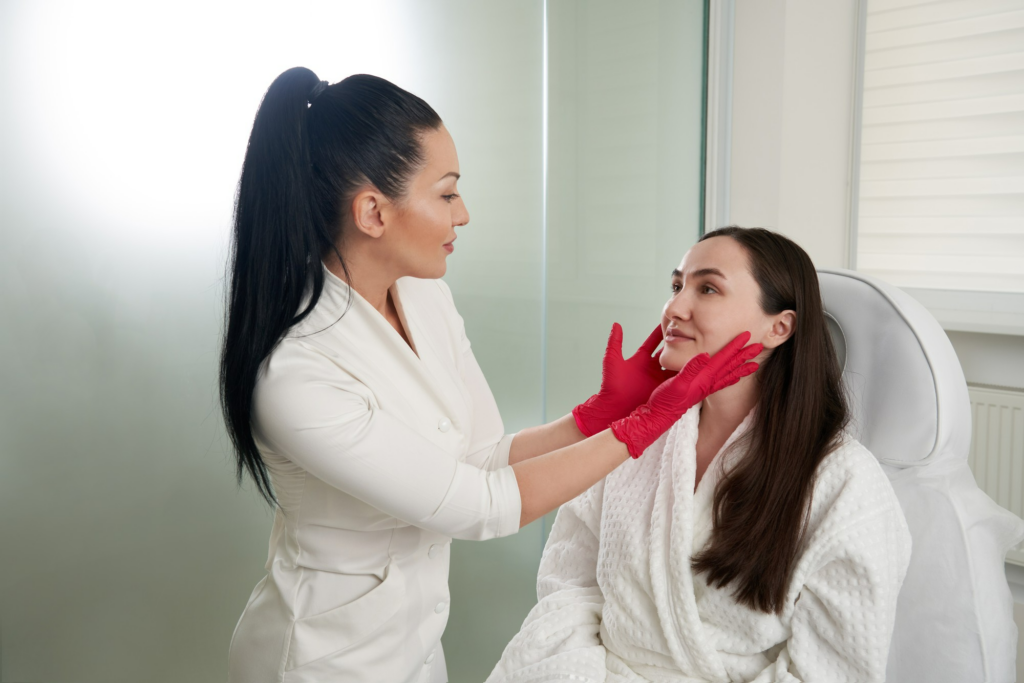
Signs You May Be a Good Candidate for Facelift Surgery As we age, our skin naturally loses elasticity, leading to wrinkles, sagging skin, and a less defined facial contour. While skincare treatments and non-surgical procedures can help delay the signs of aging, they may not always provide the dramatic and long-lasting results many individuals desire. Facelift surgery, also known as rhytidectomy, is a popular cosmetic procedure designed to restore a more youthful and refreshed appearance. But how do you know if a facelift is right for you? Here are some key signs that you may be a good candidate for facelift surgery. 1. You Have Noticeable Sagging Skin on the Face and Neck One of the most common reasons people consider a facelift is the presence of loose, sagging skin around the cheeks, jawline, and neck. If you notice jowls forming along your jawline or excess skin creating a tired appearance, a facelift can help tighten and reposition facial tissues for a smoother, firmer look. 2. Deep Wrinkles and Folds Are Becoming More Prominent Facelift surgery effectively addresses deep facial creases, particularly those extending from the nose to the corners of the mouth (nasolabial folds) and wrinkles around the lower face. If these lines are becoming increasingly noticeable and affecting your confidence, a facelift may offer a lasting solution. 3. You Want Long-Lasting Results Unlike injectable fillers or skin-tightening treatments that require regular maintenance, facelift surgery provides results that can last for many years. If you’re seeking a more permanent improvement in facial appearance, a facelift may be an ideal option. 4. You Are in Good Overall Health Good candidates for facelift surgery are generally healthy individuals without serious medical conditions that could interfere with healing. Conditions such as uncontrolled diabetes, severe heart disease, or smoking habits may affect candidacy and recovery. 5. Your Skin Still Has Some Elasticity While a facelift can significantly improve facial aging, the best results are often achieved in individuals whose skin still retains some natural elasticity. This allows the skin to adapt more effectively to the repositioned facial structures. 6. You Have Realistic Expectations A facelift can help you look younger and more refreshed, but it cannot completely stop the aging process. Understanding the benefits and limitations of the procedure is essential for achieving satisfaction with the results. 7. You Feel Self-Conscious About Facial Aging Many patients choose facelift surgery because they feel their appearance no longer reflects how youthful and energetic they feel inside. If signs of aging are affecting your confidence in personal or professional settings, a facelift may help restore self-esteem. 8. Non-Surgical Treatments Are No Longer Providing Desired Results Treatments such as Botox, dermal fillers, and skin tightening procedures can be effective in the early stages of aging. However, when these treatments no longer achieve the desired improvement, facelift surgery may provide a more comprehensive rejuvenation. What Age Is Best for a Facelift? There is no perfect age for facelift surgery. Most patients undergo the procedure between their 40s and 70s, depending on their individual aging patterns and cosmetic goals. The decision should be based on facial condition rather than age alone. Benefits of Facelift Surgery Consult a Qualified Cosmetic Surgeon The best way to determine whether you are a good candidate for facelift surgery is through a consultation with an experienced cosmetic surgeon. During your evaluation, the surgeon will assess your facial anatomy, skin quality, medical history, and aesthetic goals to create a personalized treatment plan. Conclusion Facelift surgery can be a transformative procedure for individuals looking to address visible signs of facial aging. If you have sagging skin, deep wrinkles, and a desire for long-lasting facial rejuvenation, you may be an excellent candidate. Consulting with a qualified cosmetic surgeon can help you understand your options and take the first step toward a more youthful and confident appearance.

Uncategorized

Is Cosmetic Surgery Safe? Risks and Benefits Explained

Is Cosmetic Surgery Safe? Risks and Benefits Explained Cosmetic surgery has become increasingly popular across the world. From facial enhancements to body contouring procedures, millions of people choose cosmetic treatments to improve their appearance and boost confidence. However, one important question remains: Is cosmetic surgery really safe? The answer depends on several factors, including the type of procedure, the surgeon’s expertise, the patient’s health condition, and proper post-surgery care. Like any medical procedure, cosmetic surgery comes with both benefits and risks. In this article, we’ll explore everything you need to know before considering cosmetic surgery. What Is Cosmetic Surgery? Cosmetic surgery refers to medical procedures performed to improve or alter a person’s physical appearance. Unlike reconstructive surgery, which is done for medical reasons, cosmetic surgery is usually elective. Common cosmetic procedures include: These procedures can be surgical or minimally invasive. Benefits of Cosmetic Surgery 1. Improved Self-Confidence Many people choose cosmetic surgery to feel more confident about their appearance. A successful procedure can improve self-esteem and body image. For example: 2. Enhanced Physical Appearance Cosmetic surgery can help individuals achieve desired aesthetic goals, such as: Modern techniques offer more natural-looking results than ever before. 3. Correcting Physical Features Some procedures address features that may cause discomfort or emotional distress, including: In such cases, cosmetic surgery may improve both appearance and quality of life. 4. Long-Lasting Results Many cosmetic procedures provide long-term or permanent results when combined with a healthy lifestyle and proper care. Examples include: Risks of Cosmetic Surgery While cosmetic surgery can offer benefits, it is important to understand the possible risks. 1. Infection Any surgical procedure carries a risk of infection. Poor hygiene, improper aftercare, or unqualified clinics can increase complications. 2. Scarring Some procedures may leave visible scars, especially if healing is poor or surgery is not performed correctly. 3. Anesthesia Risks General anesthesia may cause side effects or complications in certain individuals, especially those with underlying medical conditions. 4. Unsatisfactory Results Not every cosmetic surgery delivers perfect results. In some cases: 5. Emotional and Psychological Impact Cosmetic surgery does not always solve emotional insecurities. Some people may continue feeling dissatisfied even after surgery. Experts recommend realistic expectations and mental preparedness before undergoing any procedure. How Safe Is Cosmetic Surgery Today? Modern cosmetic surgery is generally considered safe when performed by: Advancements in technology, surgical techniques, and patient care have significantly improved safety and recovery times. However, safety largely depends on: Tips to Reduce Risks Before undergoing cosmetic surgery, consider these important safety tips: Choose a Certified Surgeon Always verify: Research the Procedure Understand: Have Realistic Expectations Cosmetic surgery can enhance appearance, but perfection is unrealistic. Follow Post-Surgery Instructions Proper recovery care is essential for: Who Should Avoid Cosmetic Surgery? Cosmetic surgery may not be suitable for: A medical consultation is necessary before making any decision. Non-Surgical Alternatives Not all cosmetic improvements require surgery. Popular non-surgical options include: These treatments often involve less downtime and lower risk. Conclusion So, is cosmetic surgery safe? In many cases, yes — cosmetic surgery can be safe and effective when performed by qualified professionals under proper medical conditions. It can improve confidence, appearance, and quality of life for many people. However, it is still a medical procedure with real risks. Understanding both the benefits and potential complications is essential before making a decision. The best approach is to research carefully, consult experienced professionals, and prioritize health and safety above unrealistic beauty standards.

How Cosmetic Surgery Improves Confidence and Self-Image | Benefits & Insights
Uncategorized

How Cosmetic Surgery Can Improve Confidence and Self-Image

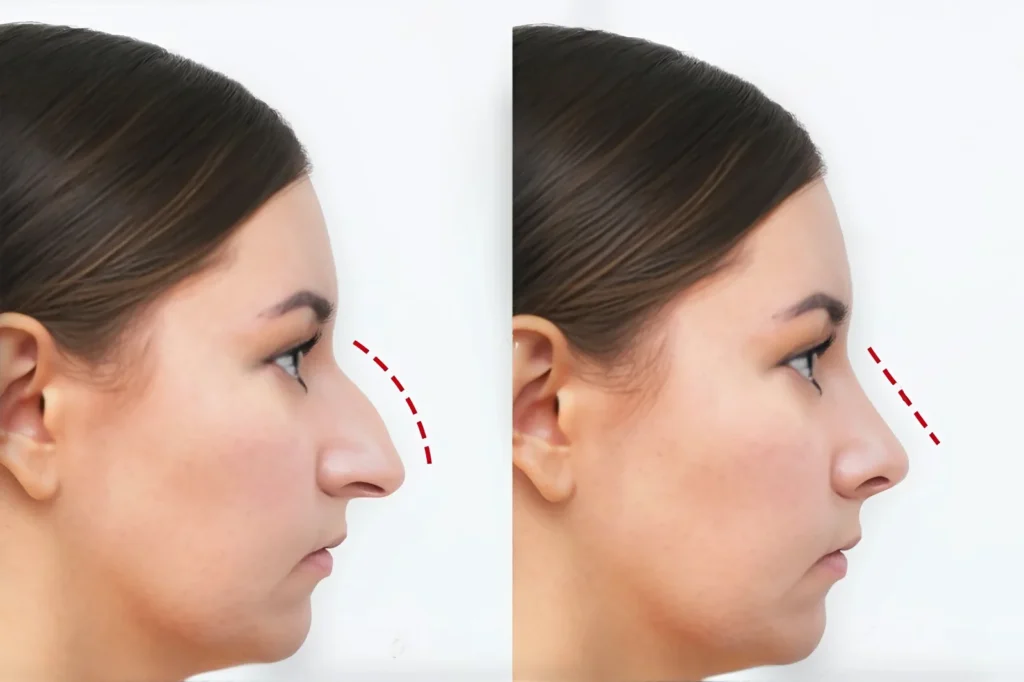
How Cosmetic Surgery Can Improve Confidence and Self-Image In today’s appearance-conscious world, confidence often goes hand in hand with how we feel about our physical appearance. While true self-worth comes from within, there’s no denying that feeling comfortable in your own skin can significantly boost your confidence. This is where cosmetic surgery plays an important role—not just in enhancing physical features, but also in improving self-image and emotional well-being. Understanding Cosmetic Surgery Cosmetic surgery focuses on enhancing a person’s appearance through surgical and medical techniques. Popular procedures include rhinoplasty (nose reshaping), liposuction, breast augmentation, facelifts, and more. Unlike reconstructive surgery, which addresses medical issues, cosmetic procedures are primarily elective and aesthetic-driven. The Link Between Appearance and Confidence Our appearance often influences how we perceive ourselves and how others perceive us. When someone feels unhappy about a particular feature—such as their nose, skin, or body shape—it can lead to self-consciousness, social anxiety, and even low self-esteem. Cosmetic surgery can help address these concerns by aligning a person’s physical appearance with their desired look, thereby improving their self-confidence. Key Ways Cosmetic Surgery Improves Confidence 1. Enhancing Physical Appearance One of the most obvious benefits of cosmetic surgery is improved appearance. When individuals see a positive change in their looks, it can lead to increased satisfaction and pride in their appearance. 2. Boosting Self-Esteem Correcting perceived imperfections can significantly improve how individuals feel about themselves. Whether it’s removing excess fat or reshaping facial features, these changes often lead to a stronger sense of self-worth. 3. Reducing Social Anxiety Many people avoid social situations due to insecurities about their appearance. After undergoing cosmetic procedures, individuals often feel more confident interacting with others, attending events, and expressing themselves freely. 4. Improving Mental Well-being Feeling good about your appearance can have a direct impact on mental health. Increased confidence can reduce stress, anxiety, and even symptoms of depression in some cases. 5. Encouraging a Positive Lifestyle After cosmetic surgery, many individuals feel motivated to maintain their results through healthier habits such as regular exercise, balanced diet, and proper skincare. Important Considerations Before Choosing Cosmetic Surgery While cosmetic surgery offers many benefits, it’s important to approach it with realistic expectations and proper research. Is Cosmetic Surgery Right for You? Cosmetic surgery is a personal decision. It can be life-changing for many, but it’s not a solution for deep-rooted self-esteem issues. Consulting with professionals and understanding your motivations is key to achieving satisfying results. Conclusion Cosmetic surgery can be a powerful tool for improving confidence and self-image when approached responsibly. By enhancing physical appearance and addressing personal insecurities, it helps individuals feel more comfortable, confident, and empowered in their daily lives. However, the true goal should always be self-acceptance and overall well-being. Cosmetic procedures should complement your confidence—not define it.

Scroll to Top