
Is Gynecomastia Surgery Permanent? Everything Men Ask
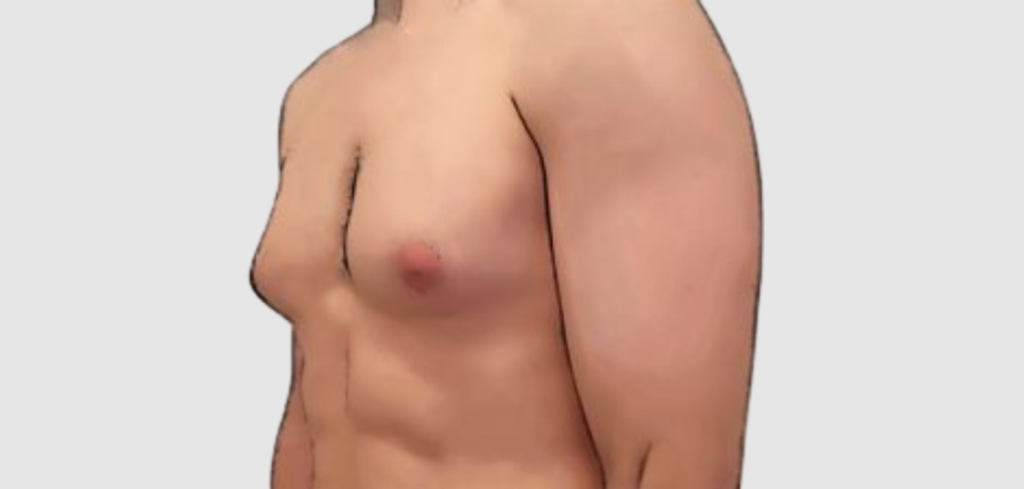
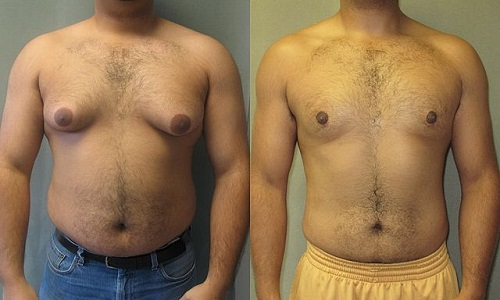
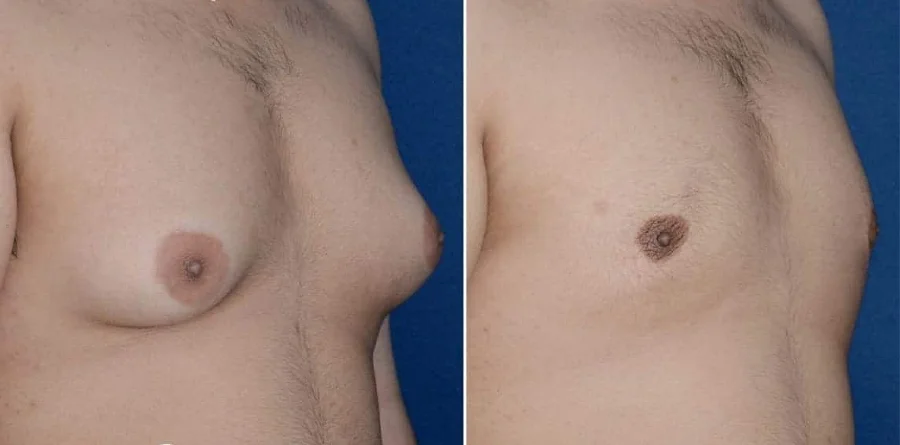
Is Gynecomastia Surgery Permanent? Everything Men Ask Gynecomastia, commonly known as enlarged male breasts, is a condition that can affect men of different ages. It may develop due to hormonal changes, genetics, certain medications, weight fluctuations, or underlying health conditions. For men who are uncomfortable with the appearance of enlarged breasts, gynecomastia surgery can provide a significant improvement in chest contour. One of the most common questions, however, is whether the results of gynecomastia surgery are permanent. What Is Gynecomastia Surgery? Gynecomastia surgery is a cosmetic procedure designed to reduce excess breast tissue and create a flatter, more masculine chest contour. Depending on the individual case, a surgeon may use liposuction to remove excess fat, surgical excision to remove glandular breast tissue, or a combination of both techniques. The appropriate approach depends on the amount and type of tissue present. Are the Results Permanent? In most cases, gynecomastia surgery provides long-lasting and potentially permanent results. When excess glandular breast tissue is surgically removed, it generally does not grow back. Similarly, fat cells removed through liposuction are permanently eliminated from the treated area. However, permanent results do not mean that the chest can never change. Significant weight gain, hormonal changes, certain medications, or underlying medical conditions may affect the appearance of the chest after surgery. Can Gynecomastia Come Back After Surgery? True recurrence after properly performed surgery is uncommon, but changes in the chest can occur. For example, substantial weight gain can increase the size of remaining fat cells and alter the chest contour. Hormonal imbalances can also contribute to the development of breast tissue. This is why identifying the underlying cause of gynecomastia before surgery is important. A qualified plastic surgeon may recommend an evaluation of your medical history, medications, weight changes, and hormonal factors before deciding on treatment. Does Weight Gain Affect the Results? Yes. Although the fat cells removed during liposuction do not return, the remaining fat cells in the body can enlarge when a person gains significant weight. This may affect the overall appearance of the chest. Maintaining a stable weight through a balanced diet and regular physical activity can help preserve the results of gynecomastia surgery for many years. What About Hormonal Changes? Hormonal balance plays an important role in gynecomastia. If the condition is related to an ongoing hormonal problem, treating that underlying issue may be necessary. Men experiencing sudden breast enlargement, pain, a lump, nipple discharge, or other unusual symptoms should consult a qualified medical professional for proper evaluation. How Long Do Results Take to Appear? The chest may look improved soon after surgery, but swelling and bruising can temporarily affect the appearance. As the swelling gradually decreases and the tissues settle, the final contour becomes more visible. Recovery time varies depending on the surgical technique and the individual. Following the surgeon’s postoperative instructions, including recommendations regarding compression garments, exercise, wound care, and follow-up appointments, can support proper healing. Will There Be Scars? Scarring depends on the surgical technique used and the amount of tissue that needs to be removed. Liposuction usually involves small incisions, while glandular tissue removal may require a larger incision around the nipple area. Over time, surgical scars generally become less noticeable, although they do not always disappear completely. Who Is a Good Candidate for Gynecomastia Surgery? Men who have persistent enlarged breast tissue, are in generally good health, have realistic expectations, and are bothered by the appearance of their chest may be candidates for surgery. A consultation with a qualified plastic surgeon is essential to determine whether surgery is appropriate and which technique would provide the best result. Conclusion Gynecomastia surgery is generally considered a long-lasting solution, and the removed breast tissue does not normally grow back. However, significant weight gain, hormonal changes, medications, or certain medical conditions can affect the appearance of the chest in the future. Maintaining a healthy lifestyle and addressing any underlying causes can help preserve the surgical results. If you are considering gynecomastia surgery, speak with a qualified plastic surgeon for an individual assessment and a treatment plan suited to your condition.