
Gynecomastia vs Chest Fat: How to Tell the Difference
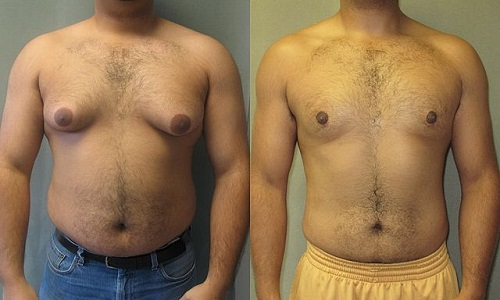
A fuller or enlarged chest in men is a common concern, but it does not always mean the same thing. In some cases, the enlargement is caused by gynecomastia, a condition involving the development of excess male breast glandular tissue. In other cases, it may simply be chest fat, which is usually related to overall weight gain or increased body fat. Understanding the difference is important because the underlying causes and treatment options can be different.
What Is Gynecomastia?
Gynecomastia is the enlargement of male breast tissue, usually caused by an imbalance between estrogen and testosterone. It can occur during puberty, adulthood, or later in life. Certain medications, hormonal changes, underlying medical conditions, and lifestyle factors can sometimes contribute to its development. Gynecomastia often appears as a firm or rubbery lump directly beneath the nipple and may affect one or both sides of the chest.
What Is Chest Fat?
Chest fat, sometimes referred to as pseudogynecomastia, occurs when excess fatty tissue accumulates around the chest without significant enlargement of the underlying breast gland. It is commonly associated with weight gain and higher overall body-fat levels. Unlike gynecomastia, chest fat generally feels softer and is distributed more evenly across the chest. Losing overall body weight can often reduce the appearance of excess chest fat.
How Can You Tell the Difference?
One of the easiest ways to notice a possible difference is by looking at how the tissue feels. Gynecomastia typically feels firmer beneath the nipple, while chest fat tends to feel soft and spread out. Gynecomastia may also cause the nipple and areola to appear more prominent or puffy. However, these signs are not enough to make a definite diagnosis. Some men can have both gynecomastia and excess chest fat at the same time.
Does Exercise Get Rid of Gynecomastia?
Exercise can be highly effective for reducing overall body fat and improving the appearance of the chest. However, if the enlargement is primarily caused by glandular breast tissue, exercise alone may not completely eliminate it. Strength training can build the chest muscles and improve definition, but it does not directly remove excess glandular tissue. If chest enlargement persists despite maintaining a healthy weight and exercising regularly, a medical evaluation can help determine the cause.
When Should You See a Doctor?
Persistent chest enlargement should be evaluated by a qualified medical professional, particularly if it develops suddenly, is painful, occurs mainly on one side, or is associated with a firm lump, nipple discharge, skin changes, or other unusual symptoms. A doctor can assess the chest, review medications and medical history, and recommend additional tests if necessary.
Treatment Options
Treatment depends on the underlying cause. For chest fat, improving diet, increasing physical activity, and achieving a healthy body weight may significantly improve the chest contour. When true gynecomastia is present and does not improve on its own, treatment may include medication in selected cases or surgery. Gynecomastia surgery commonly involves removing excess glandular tissue, and liposuction may be used when excess fat is also present. The appropriate approach depends on the individual’s anatomy and the amount of glandular tissue and fat present.
Final Thoughts
Gynecomastia and chest fat can look similar, but they are different conditions. Chest fat is primarily an accumulation of fatty tissue, while gynecomastia involves the enlargement of glandular breast tissue. Knowing the difference can help you choose the right approach instead of relying only on exercise or weight loss. If you are concerned about persistent male chest enlargement, consulting a qualified specialist is the best way to identify the underlying cause and discuss appropriate treatment options.