Rhinoplasty Before and After: Setting Realistic Expectations
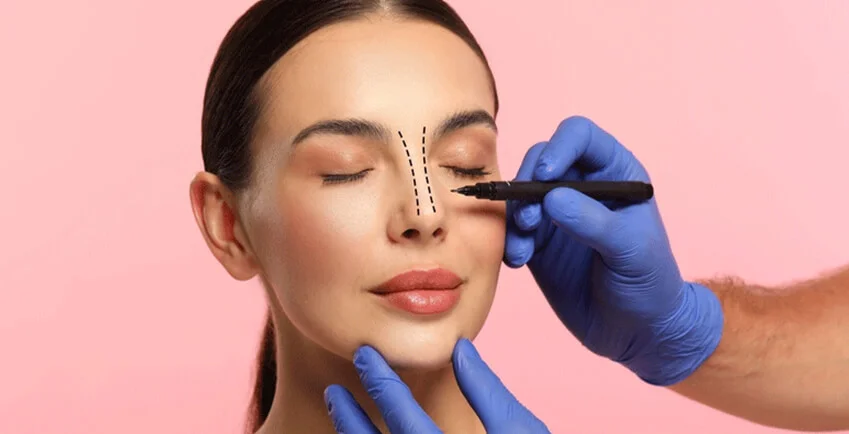
Rhinoplasty, commonly known as a nose job, is a popular cosmetic and functional procedure that can change the shape, size, and proportions of the nose while, in some cases, improving breathing. Before looking at rhinoplasty before-and-after photos, it is important to understand that every patient is different. The final result depends on factors such as facial structure, skin thickness, nasal anatomy, healing capacity, and the surgical technique used. Before surgery, a qualified plastic surgeon evaluates the nose and overall facial proportions to understand what changes are realistically achievable. Patients may want a smaller nose, a refined nasal tip, a straighter bridge, or better symmetry, but the goal should be a natural-looking result that complements the rest of the face rather than creating an identical “perfect” nose.
Rhinoplasty before-and-after photographs can help patients understand the types of changes that surgery may achieve, but they should not be treated as a guarantee of an identical result. Two people can undergo similar procedures and experience noticeably different outcomes because their bone, cartilage, skin, and soft-tissue characteristics are unique. It is also important to remember that rhinoplasty results develop gradually. Swelling and bruising are common after surgery, and the nose may appear different during the early stages of recovery. While much of the swelling typically decreases over the first few weeks and months, subtle swelling—particularly around the nasal tip—can take considerably longer to completely settle.
Having realistic expectations is one of the most important parts of a successful rhinoplasty journey. The objective is generally improvement rather than perfection. A surgeon may be able to enhance nasal proportions, correct certain irregularities, or address functional concerns, but surgery cannot completely eliminate every natural asymmetry or guarantee a specific appearance. During consultation, patients should openly discuss what they would like to change and ask what is realistically possible based on their individual anatomy. Digital imaging or surgical planning tools may sometimes be used to help communicate potential changes, but these images should be viewed as planning aids rather than promises of the final result.
Recovery is another factor that should be considered when comparing before-and-after photographs. Immediately after rhinoplasty, swelling can make the nose look larger or less defined than expected. As healing progresses, the appearance gradually becomes more refined. Patients should follow their surgeon’s postoperative instructions carefully, attend follow-up appointments, and allow adequate time for healing before judging the final outcome. Comparing your progress with someone else’s recovery can create unnecessary anxiety because healing timelines vary significantly.
Ultimately, the best rhinoplasty result is one that looks balanced, natural, and appropriate for the individual patient. Before-and-after photos can provide useful insight into a surgeon’s experience and aesthetic approach, but they should be considered alongside a detailed consultation and discussion of risks, benefits, limitations, and recovery. Choosing a qualified and experienced plastic surgeon and maintaining realistic expectations can help patients approach rhinoplasty with greater confidence and a clearer understanding of what the procedure can—and cannot—achieve.