
Grade 1 vs Grade 4 Gynecomastia: Which Cases Need Surgery?
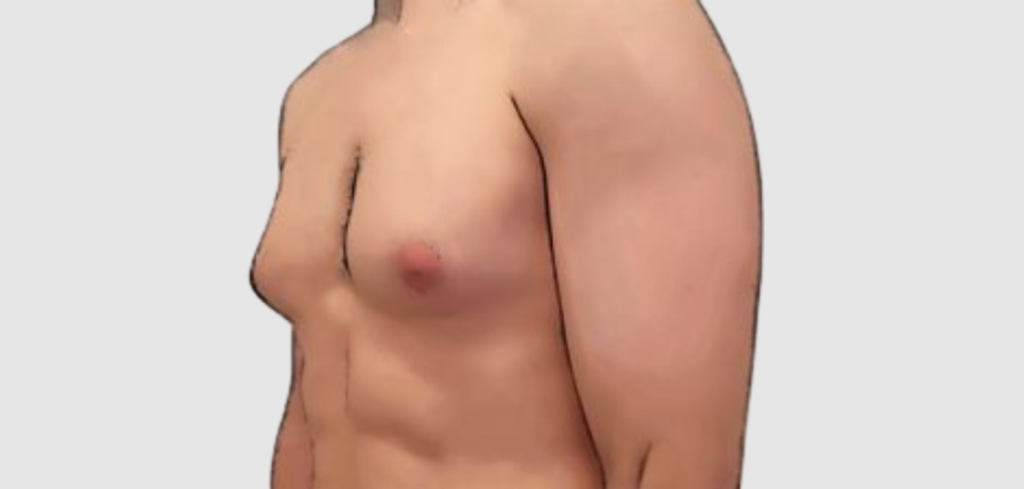
Gynecomastia is the enlargement of male breast tissue caused by an increase in glandular tissue, fat, or a combination of both. It can range from a small amount of enlargement around the nipple to significant breast enlargement with excess skin and drooping.
Doctors use grading systems to describe the severity of gynecomastia and determine the most appropriate treatment. A commonly used four-grade classification ranges from Grade 1, the mildest form, to Grade 4, the most advanced form.
What Is Grade 1 Gynecomastia?
Grade 1 gynecomastia is generally considered a mild form. There may be a small amount of firm glandular tissue beneath the nipple or slight protrusion of the areola. Usually, there is little or no excess skin and no significant breast drooping.
For some men, Grade 1 gynecomastia may be barely noticeable. However, the appearance of a puffy or protruding nipple can become more visible when wearing fitted clothing or when the chest is exposed.
Does Grade 1 Gynecomastia Need Surgery?
Not necessarily. Surgery is not automatically required for Grade 1 gynecomastia.
If the condition has developed recently, particularly during adolescence, doctors may recommend observation because some cases can improve naturally. If medication, hormonal changes, or another underlying condition is contributing to the enlargement, treating the underlying cause may be considered first.
However, surgery may be considered when:
- The enlargement has remained for a long time.
- Firm glandular tissue continues to be present.
- The appearance causes embarrassment or self-consciousness.
- The condition does not improve after addressing an underlying cause.
- The patient wants a flatter and more defined chest.
Depending on the amount and type of tissue present, treatment may involve excision of glandular tissue, liposuction, or a combination of both.
What Is Grade 4 Gynecomastia?
Grade 4 gynecomastia represents a much more advanced form of the condition. It generally involves significant breast enlargement along with excess skin and pronounced drooping.
The chest can develop a breast-like appearance, and simply removing glandular or fatty tissue may not be enough to achieve the desired result because loose skin can remain.
Does Grade 4 Gynecomastia Usually Need Surgery?
For persistent Grade 4 gynecomastia, surgery is much more likely to be recommended.
Treatment may involve several techniques depending on the individual’s anatomy and the severity of the condition, including:
- Removal of excess glandular tissue
- Liposuction to reduce excess fat
- Removal of excess skin
- Reshaping of the chest
- Repositioning of the nipple-areola complex when necessary
Because Grade 4 cases involve significant skin excess and drooping, the procedure can be more extensive than surgery for mild gynecomastia.
Grade 1 vs Grade 4: What’s the Difference?
| Feature | Grade 1 | Grade 4 |
|---|---|---|
| Breast enlargement | Mild | Significant |
| Excess skin | Usually absent | Usually substantial |
| Drooping | Minimal or absent | Severe |
| Nipple position | Generally normal | May be significantly lower |
| Typical treatment | Observation or minor surgery when appropriate | Often requires surgical correction |
| Surgical complexity | Relatively limited | More extensive |
| Skin removal | Usually unnecessary | May be necessary |
It is important to understand that the grade alone does not determine whether surgery is necessary. The duration of the condition, symptoms, underlying cause, type and amount of tissue, skin elasticity, age, overall health, and personal concerns can all influence treatment decisions.
Can Exercise Get Rid of Gynecomastia?
Exercise can help reduce overall body fat and improve the appearance of the chest, particularly when excess fat contributes to chest enlargement.
However, true gynecomastia involves glandular breast tissue, which cannot simply be eliminated through chest exercises. This is why some men may continue to have a firm lump or puffy nipple even after losing weight and building chest muscles.
A medical evaluation can help distinguish true gynecomastia from pseudogynecomastia, where chest enlargement is primarily caused by excess fatty tissue.
When Should You See a Specialist?
A medical evaluation may be appropriate if breast enlargement:
- Persists or continues to increase
- Is painful or tender
- Appears suddenly
- Is significantly different between the two sides
- Is associated with an unusual or firm lump
- Causes considerable emotional or social distress
A specialist can evaluate the condition, identify possible contributing factors, determine its severity, and discuss appropriate treatment options.
Final Thoughts
Grade 1 and Grade 4 gynecomastia can look very different and may require very different approaches.
Grade 1 is usually mild and may not require treatment. However, surgery can be considered when persistent glandular tissue causes significant cosmetic or psychological concerns.
Grade 4 is considerably more advanced and often requires surgical treatment because significant excess skin and drooping may need to be corrected along with the underlying breast tissue.
Ultimately, there is no single treatment that is right for every patient. A consultation with a qualified plastic surgeon can help determine the severity of gynecomastia and the most suitable treatment based on the individual’s anatomy and goals.
This article is for general educational purposes and should not replace an individual medical consultation.