
Author name: ETNS@011224_User

Big Nose Tip: Causes, Nose Shape Correction & Treatment Options
cosmetic Surgery

Big Nose Tip: Causes, Nose Shape Correction, and Treatment Options

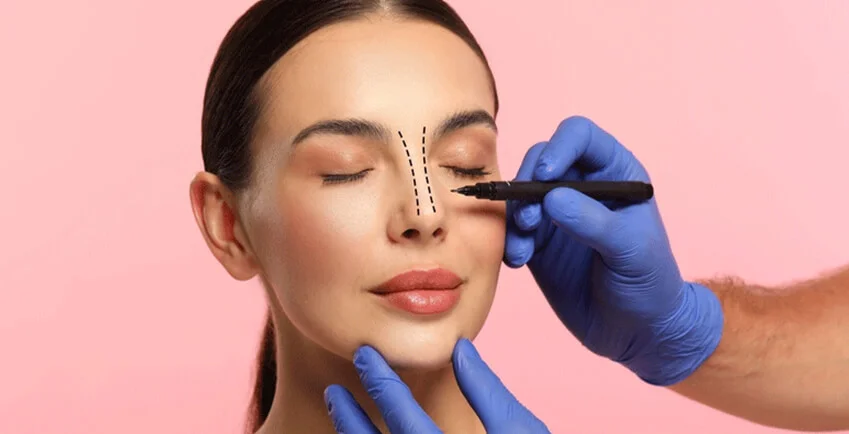
Big Nose Tip: Causes, Nose Shape Correction, and Treatment Options Introduction A well-balanced nose plays a major role in defining facial harmony. However, many people feel conscious about having a big or bulbous nose tip, which can make the nose appear larger or less defined. The good news is that modern medical and non-surgical treatments offer effective solutions to refine the nose tip and enhance overall appearance. This guide explains the causes of a big nose tip, available correction methods, and the best treatment options to help you make an informed decision. What is a Big Nose Tip? A big nose tip, often called a bulbous tip, refers to a rounded, wide, or poorly defined nasal tip. It may lack sharpness or structure, making the nose look disproportionate compared to the rest of the face. Common Causes of a Big Nose Tip 1. Genetics The most common reason is heredity. If your family members have a broad or rounded nose tip, you may naturally inherit it. 2. Thick Skin Thicker nasal skin can hide the underlying cartilage structure, making the tip appear larger and less defined. 3. Weak or Wide Cartilage The cartilage at the tip of the nose may be: This can result in a bulky or droopy appearance. 4. Aging As you age, nasal tissues may lose structure, causing the tip to droop and appear bigger. 5. Previous Injury Trauma or injury to the nose can alter its structure, leading to an enlarged or asymmetrical tip. Nose Shape Correction Options 1. Surgical Correction (Rhinoplasty) Rhinoplasty is the most effective and permanent solution for reshaping a big nose tip. How it works: Benefits: Considerations: 2. Non-Surgical Nose Correction (Liquid Rhinoplasty) This method uses dermal fillers to reshape the nose without surgery. How it works: Benefits: Limitations: 3. Thread Lift for Nose A nose thread lift uses dissolvable threads to lift and define the nose tip. Benefits: Limitations: 4. Makeup and Contouring (Temporary Fix) Makeup can visually reduce the appearance of a big nose tip. Techniques: Choosing the Right Treatment The best option depends on: Quick Guide: Goal Best Option Permanent reshaping Rhinoplasty Quick, no downtime Fillers Mild lifting Thread lift Temporary visual fix Makeup Recovery and Aftercare After Rhinoplasty: After Non-Surgical Treatments: Risks and Considerations Every procedure has potential risks: Always consult a qualified and experienced professional before choosing any treatment. Conclusion A big nose tip is a common concern, but it is highly treatable with modern techniques. Whether you prefer a permanent surgical solution or a quick non-invasive fix, there are multiple options to help you achieve a balanced and refined look. The key is to choose the right treatment based on your needs and consult a trusted specialist to ensure safe and effective results.

Rhinoplasty: Everything You Need to Know About Nose Reshaping Surgery
Rhinoplasty

What Is Rhinoplasty? A Complete Guide to Nose Reshaping Surgery

What Is Rhinoplasty? A Complete Guide to Nose Reshaping Surgery Rhinoplasty, commonly known as a “nose job,” is one of the most popular cosmetic surgeries in the world. It is performed to reshape, resize, or reconstruct the nose for aesthetic or medical reasons. From enhancing facial harmony to improving breathing, rhinoplasty has become a widely sought-after procedure—especially among celebrities and public figures. What Is Rhinoplasty? Rhinoplasty is a surgical procedure that modifies the structure of the nose. It can involve changes to the bone, cartilage, skin, or all three components, depending on the desired outcome. This procedure is performed by a qualified plastic or cosmetic surgeon and can be tailored to meet both cosmetic goals and functional needs. Why Do People Choose Rhinoplasty? People opt for rhinoplasty for a variety of reasons: 1. Cosmetic Enhancement 2. Medical Reasons Types of Rhinoplasty 1. Open Rhinoplasty In this method, a small incision is made between the nostrils, allowing the surgeon full access to the nasal structure. It is ideal for complex reshaping. 2. Closed Rhinoplasty All incisions are made inside the nostrils, leaving no visible scars. It is generally used for minor corrections. 3. Revision Rhinoplasty Performed to correct or improve the results of a previous nose surgery. 4. Functional Rhinoplasty Focuses on improving breathing and nasal function rather than appearance. Procedure: What to Expect Rhinoplasty is typically performed under general or local anesthesia and may take 1 to 3 hours. Steps Involved: Recovery and Healing Recovery is a gradual process: Patients are advised to avoid strenuous activities and follow post-surgery care strictly. Risks and Side Effects Like any surgery, rhinoplasty carries some risks: Choosing an experienced surgeon significantly reduces these risks. Celebrities and Rhinoplasty Rhinoplasty has gained popularity partly due to its association with celebrities. Many well-known personalities have reportedly undergone this procedure to enhance their appearance and boost confidence. Some frequently discussed names include: While not all celebrities openly confirm it, rhinoplasty is widely considered one of the most common cosmetic enhancements in the entertainment industry. Benefits of Rhinoplasty Is Rhinoplasty Right for You? You may be a good candidate if: Consulting a certified plastic surgeon is essential to determine suitability and expected outcomes. Final Thoughts Rhinoplasty is more than just a cosmetic procedure—it’s a transformative surgery that can improve both appearance and quality of life. Whether for aesthetic refinement or medical necessity, it’s important to make an informed decision backed by expert guidance. If you’re considering rhinoplasty, take the time to research, consult professionals, and understand the process thoroughly before taking the next step.

cosmetic Surgery

The New Era of Plastic Surgery: Technology, Risks, and the Surgeons Redefining the Field in 2025

The New Era of Plastic Surgery: Technology, Risks, and the Surgeons Redefining the Field in 2025 Plastic surgery is no longer what it used to be. Once associated mainly with celebrities and dramatic transformations, it has now entered a new era—defined by advanced technology, subtle enhancements, and a growing focus on safety and personalization. As we move through 2025, the field is evolving faster than ever, reshaping not just appearances but also public perception. A Shift Toward Natural Results One of the biggest changes in modern plastic surgery is the move away from exaggerated features toward more natural-looking outcomes. Today’s patients are no longer asking for drastic transformations. Instead, they want enhancements that blend seamlessly with their natural features—often referred to as the “undetectable” look. This trend has been heavily influenced by public figures like Kylie Jenner, who openly discussed dissolving fillers and embracing a more natural appearance. The message is clear: subtle is the new standard. Technology Is Changing Everything Advancements in technology are at the heart of this transformation. Artificial intelligence, 3D imaging, and augmented reality are now being used to: Robotic-assisted procedures and minimally invasive techniques are also reducing recovery time and improving outcomes. In 2025, plastic surgery is becoming as much about science and data as it is about aesthetics. The Rise of Non-Surgical Procedures Not everyone wants to go under the knife—and now, they don’t have to. Non-surgical treatments like fillers, Botox, and skin-tightening procedures have surged in popularity. These options offer: Many younger patients are opting for these treatments as a way to maintain their appearance rather than dramatically change it. Understanding the Risks Despite the advancements, plastic surgery is not without risks. Complications can still occur, including infections, scarring, and unsatisfactory results. Social media trends have also contributed to unrealistic expectations, with heavily edited images setting impossible beauty standards. There is also growing concern about unregulated clinics and inexperienced practitioners offering cheaper procedures, often at the cost of safety. Surgeons Leading the Change A new generation of surgeons is redefining the field—not just through skill, but through philosophy. Doctors like Dr. Jason Diamond and Dr. Miami have gained attention for combining medical expertise with a strong online presence, educating audiences and promoting transparency. Modern surgeons are focusing on: This shift is helping build trust in an industry that has often been misunderstood. Social Media: A Double-Edged Sword Platforms like Instagram and TikTok have played a major role in shaping today’s plastic surgery trends. On one hand, they provide access to information, real patient experiences, and expert advice. On the other, they can amplify insecurities and promote unrealistic beauty ideals. Filters and editing tools blur the line between reality and perfection, making it harder for individuals to set healthy expectations. The Future of Beauty Looking ahead, plastic surgery is expected to become even more personalized and preventative. Instead of fixing perceived flaws, the focus is shifting toward maintaining natural beauty and aging gracefully. Treatments will likely become more tailored, using genetic insights and advanced diagnostics. The goal is no longer transformation—it’s enhancement with intention. Final Thoughts The world of plastic surgery in 2025 is more advanced, accessible, and complex than ever before. While technology has opened new possibilities, it has also introduced new challenges. The key lies in balance—embracing innovation while staying grounded in safety, ethics, and realistic expectations. In this new era, the definition of beauty is changing. And perhaps, for the first time, it’s becoming more personal than ever.

cosmetic Surgery, Surgery

Sushruta to Selfies — How India Became a Global Capital for Plastic Surgery

Sushruta to Selfies — How India Became a Global Capital for Plastic Surgery India’s journey in plastic surgery is unlike any other in the world. It begins in ancient times with groundbreaking surgical techniques and continues today in a modern landscape shaped by medical tourism, advanced technology, and social media influence. From the pioneering work of Sushruta to the selfie-driven demand of the Instagram era, India has evolved into a global hub for plastic and cosmetic surgery. The Ancient Origins: Sushruta and the Birth of Surgery More than 2,500 years ago, Sushruta, often called the “Father of Surgery,” laid the foundation for modern plastic surgery. In his medical text, the Sushruta Samhita, he described: His work was revolutionary, especially in reconstructive surgery, which was often used to repair noses that had been amputated as punishment in ancient societies. Colonial Era to Modern Medicine India’s surgical expertise didn’t fade with time. During the 18th century, British surgeons observed Indian practitioners performing rhinoplasty using forehead skin—a technique that later influenced Western medicine. This knowledge transfer played a key role in shaping modern reconstructive surgery worldwide. Rise of Cosmetic Surgery in Modern India Fast forward to the 21st century, India is now a major destination for cosmetic and reconstructive procedures. Several factors contributed to this rise: 1. Highly Skilled Surgeons India produces a large number of well-trained plastic surgeons, many of whom have global certifications and experience. 2. Cost Advantage Procedures in India are significantly more affordable compared to countries like the US or UK, often costing a fraction of the price. 3. Advanced Medical Infrastructure Major cities like Mumbai, Delhi, and Bengaluru are home to world-class hospitals equipped with cutting-edge technology. The Role of Medical Tourism India has become a hotspot for medical tourism, attracting patients from across the globe. Organizations like Ministry of Tourism actively promote “Heal in India” initiatives, encouraging international patients to choose India for high-quality, affordable care. Patients travel to India for procedures such as: The Selfie Era: Social Media and Cosmetic Demand The rise of platforms like Instagram and Snapchat has transformed beauty standards. Today: This phenomenon, often referred to as “selfie dysmorphia,” has significantly increased demand for cosmetic enhancements. Changing Attitudes Toward Beauty Cosmetic surgery in India is no longer taboo. It is increasingly seen as: Younger generations, professionals, and even influencers are openly discussing and normalizing aesthetic procedures. Ethical and Social Considerations While the industry is growing rapidly, it raises important concerns: Unrealistic Beauty Standards Social media can create pressure to conform to narrow ideals of beauty. Accessibility vs Awareness While procedures are affordable, awareness about risks and realistic outcomes is crucial. Mental Health Aspects Not all cosmetic concerns require surgical solutions; psychological well-being must also be considered. The Future of Plastic Surgery in India India’s position as a global leader in plastic surgery is expected to strengthen further with: The blend of ancient knowledge and modern innovation continues to define India’s unique role in this field. Final Thoughts India’s journey from the surgical brilliance of Sushruta to the selfie-driven culture of today reflects a remarkable evolution. What began as life-restoring reconstructive procedures has transformed into a global industry shaped by technology, accessibility, and changing perceptions of beauty. India is not just participating in the world of plastic surgery—it is helping define its past, present, and future.

aesthetic plastic surgery in India
ASthetic Excellence

Surge in Aesthetic Plastic Surgery: India Poised for Global Dominance

Surge in Aesthetic Plastic Surgery: India Poised for Global Dominance In recent years, aesthetic plastic surgery has witnessed a remarkable surge across the globe—and India is emerging as a powerful leader in this transformation. With a combination of skilled surgeons, advanced medical infrastructure, and cost-effective treatments, the country is positioning itself as a global hub for cosmetic and reconstructive procedures. The Growing Demand for Aesthetic Procedures Aesthetic plastic surgery is no longer limited to celebrities or the elite. Today, people from diverse age groups and professions are opting for procedures to enhance their appearance and boost confidence. Factors contributing to this rise include: From rhinoplasty and liposuction to non-surgical treatments like Botox and fillers, the demand continues to expand rapidly. Why India Is Gaining Global Attention India’s rise in the field of aesthetic plastic surgery is not accidental. Several key factors make it an attractive destination for both domestic and international patients: 1. Highly Skilled Medical Professionals India is home to some of the most experienced and internationally trained plastic surgeons. Many practitioners adhere to global standards, ensuring high-quality outcomes. 2. Cost-Effective Treatments One of the biggest advantages India offers is affordability. Procedures can cost significantly less compared to countries like the United States or the United Kingdom, without compromising on quality. 3. Advanced Technology and Facilities Modern hospitals and clinics across major cities are equipped with cutting-edge technology, enabling safe and precise procedures. 4. Medical Tourism Growth India has become a preferred destination for medical tourism. Patients from across the world travel for aesthetic procedures, combining treatment with recovery in a culturally rich and diverse environment. Rise of Non-Surgical Enhancements While traditional surgeries remain popular, non-invasive and minimally invasive treatments are driving a major portion of growth. Procedures such as: are gaining traction due to shorter recovery times and lower risks. This trend is attracting younger individuals and first-time patients. Changing Perceptions and Social Acceptance The stigma around plastic surgery is gradually fading in India. More people now view aesthetic procedures as a form of self-care rather than vanity. This cultural shift is playing a crucial role in accelerating industry growth. Men are also increasingly participating in cosmetic treatments, contributing to a broader and more inclusive market. Challenges to Address Despite rapid growth, the industry faces certain challenges: Maintaining trust and transparency will be key to sustaining long-term growth. India’s Future in Global Aesthetics With its strong foundation, India is well-positioned to become a global leader in aesthetic plastic surgery. Continued investment in training, technology, and patient care will further strengthen its position. As innovation meets expertise, India is not just keeping pace with global trends—it is shaping the future of aesthetic medicine. Final Thoughts The surge in aesthetic plastic surgery marks a significant shift in how people perceive beauty, confidence, and self-expression. India’s emergence as a global contender highlights its potential to lead this evolving industry. As demand continues to rise, one thing is clear: India is on a path to becoming a dominant force in the world of aesthetic plastic surgery.

What Is Cosmetic Surgery? A Complete Beginner’s Guide
cosmetic Surgery

What Is Cosmetic Surgery? A Complete Beginner’s Guide

What Is Cosmetic Surgery? A Complete Beginner’s Guide Cosmetic surgery is a medical specialty that focuses on improving a person’s appearance through surgical and non-surgical procedures. These treatments can enhance facial features, reshape body parts, and boost confidence by helping individuals achieve their desired look. In recent years, cosmetic surgery has become increasingly popular as technology, safety standards, and medical expertise have improved. Many people choose cosmetic procedures not only for aesthetic reasons but also to feel more confident and comfortable in their own skin. Understanding Cosmetic Surgery Cosmetic surgery is designed to enhance or modify a person’s physical appearance. It can involve different areas of the body, including the face, breasts, and body contour. Unlike reconstructive surgery, which focuses on correcting defects caused by birth disorders, trauma, burns, or medical conditions, cosmetic surgery is usually elective. This means people choose to undergo these procedures to improve their appearance rather than to treat a medical problem. Cosmetic procedures can be performed surgically or through minimally invasive techniques. Common Types of Cosmetic Surgery There are many types of cosmetic procedures available today. Some of the most common include: 1. Facial Cosmetic SurgeryThese procedures focus on enhancing facial features. Popular treatments include rhinoplasty (nose reshaping), facelifts, eyelid surgery (blepharoplasty), and chin augmentation. 2. Body Contouring ProceduresBody contouring helps reshape different areas of the body. Liposuction, tummy tuck (abdominoplasty), and body lift procedures fall into this category. 3. Breast ProceduresBreast augmentation, breast reduction, and breast lift surgeries are among the most requested cosmetic procedures worldwide. 4. Non-Surgical Cosmetic TreatmentsNot all cosmetic procedures require surgery. Treatments like Botox injections, dermal fillers, laser skin treatments, and chemical peels offer noticeable results with minimal downtime. Why Do People Choose Cosmetic Surgery? People opt for cosmetic surgery for many personal reasons. Some individuals want to correct features they have always been self-conscious about, while others may wish to restore their appearance after aging, weight loss, or pregnancy. Common motivations include: It’s important to note that cosmetic surgery is a personal decision and should be considered carefully. Is Cosmetic Surgery Safe? When performed by a qualified and experienced surgeon, cosmetic surgery is generally safe. However, like any medical procedure, it carries certain risks. Choosing a certified and experienced cosmetic surgeon is essential to ensure safety and achieve the best possible results. Patients should also follow all pre- and post-surgery instructions provided by their doctor. What to Expect Before and After the Procedure Before undergoing cosmetic surgery, patients usually have a consultation with their surgeon. During this consultation, the doctor evaluates the patient’s health, discusses goals, explains possible outcomes, and outlines the procedure. After surgery, recovery time varies depending on the type of procedure. Some treatments require only a few days of rest, while others may need several weeks for full recovery. Following proper aftercare instructions helps ensure better healing and optimal results. Final Thoughts Cosmetic surgery can be a life-changing decision for many people. Whether it’s enhancing facial features, reshaping the body, or reducing signs of aging, modern cosmetic procedures offer safe and effective solutions for aesthetic improvement. However, it is important to have realistic expectations and consult a qualified professional before making any decision. With proper guidance and care, cosmetic surgery can help individuals look and feel their best.

How to Choose the Right Cosmetic Surgeon: A Complete Patient Guide
cosmetic Surgery

How to Choose the Right Cosmetic Surgeon

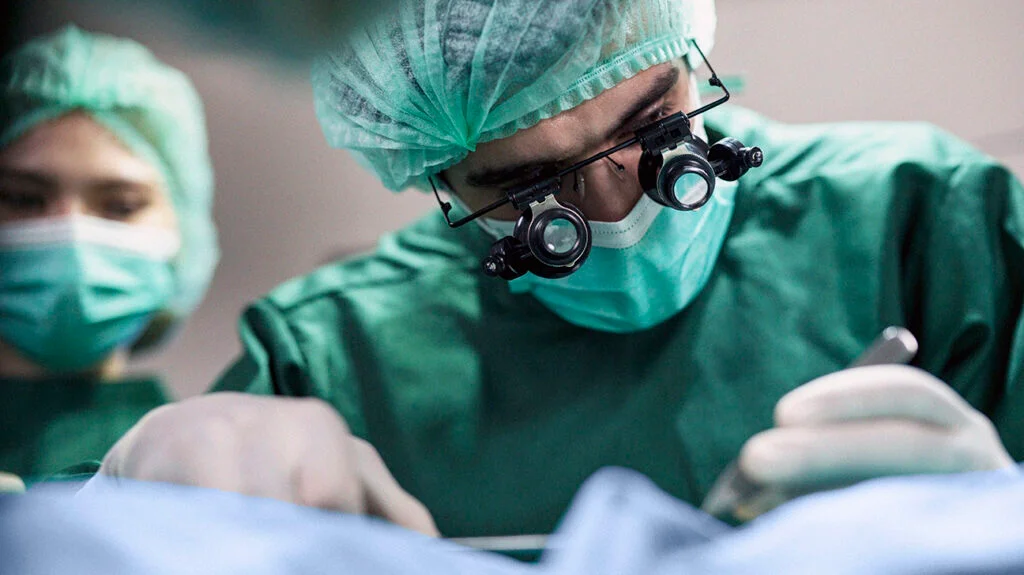
How to Choose the Right Cosmetic Surgeon Cosmetic surgery is a life-changing decision that can significantly impact your appearance, confidence, and overall well-being. Whether you are considering a minor aesthetic enhancement or a major surgical procedure, selecting the right cosmetic surgeon is one of the most important steps in your journey. A skilled and experienced surgeon ensures not only beautiful results but also safety and proper care throughout the process. In this guide, we will explore the key factors you should consider before choosing the right cosmetic surgeon. 1. Verify the Surgeon’s Qualifications The first step in choosing a cosmetic surgeon is checking their educational background and professional qualifications. A reputable surgeon should have formal medical training and specialized education in plastic or cosmetic surgery. Board certification and professional affiliations indicate that the surgeon has met strict standards in training and ethics. 2. Check Experience and Specialization Experience plays a crucial role in cosmetic surgery. Different surgeons specialize in different procedures such as rhinoplasty, liposuction, breast augmentation, or facial surgeries. It is always better to choose a surgeon who has extensive experience in the specific procedure you are considering. The more procedures they have performed, the more refined their techniques are likely to be. 3. Review Before-and-After Results A reliable cosmetic surgeon will have a portfolio of before-and-after photos of previous patients. These images help you evaluate the surgeon’s skills and the type of results you can expect. Look for consistency, natural results, and cases similar to your situation. 4. Read Patient Reviews and Testimonials Patient feedback can provide valuable insights into a surgeon’s professionalism, communication style, and results. Reviews and testimonials often highlight the patient experience, from consultation to recovery. Positive feedback from multiple patients is usually a strong indicator of trustworthiness. 5. Evaluate the Consultation Process A good cosmetic surgeon will always conduct a detailed consultation before recommending any procedure. During this session, the surgeon should listen carefully to your concerns, evaluate your medical history, and explain the possible outcomes. They should also discuss risks, recovery time, and alternative options. Clear communication is essential to ensure that your expectations align with realistic results. 6. Check the Surgical Facility The clinic or hospital where the surgery will take place should meet proper medical standards and safety regulations. A well-equipped facility with trained staff and modern technology ensures a safer surgical experience and smoother recovery. 7. Understand the Cost and Transparency Cosmetic surgery costs can vary depending on the procedure, the surgeon’s experience, and the facility used. A trustworthy surgeon will provide a clear breakdown of the total cost, including consultation fees, surgical charges, anesthesia, and post-operative care. Avoid surgeons who offer extremely low prices, as quality and safety should never be compromised. 8. Trust Your Comfort Level Your comfort and confidence with the surgeon are extremely important. You should feel respected, heard, and fully informed. If you feel rushed, pressured, or uncertain during the consultation, it may be a sign to consider another professional. Conclusion Choosing the right cosmetic surgeon requires careful research and thoughtful consideration. By evaluating qualifications, experience, patient reviews, and the quality of consultation, you can make an informed decision that prioritizes both safety and satisfaction. Cosmetic surgery is not just about changing appearance—it is about enhancing confidence and improving quality of life. Taking the time to choose the right professional will help ensure the best possible results.

Enhancing Beauty and Restoring Confidence
cosmetic Surgery

Top 10 Most Popular Cosmetic Surgery Procedures in 2026

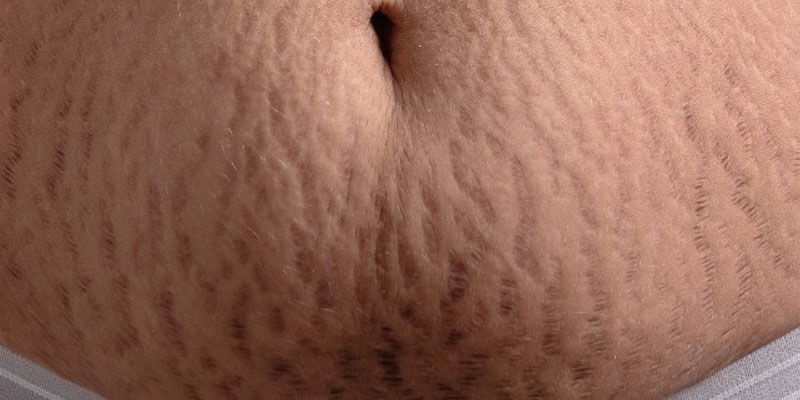
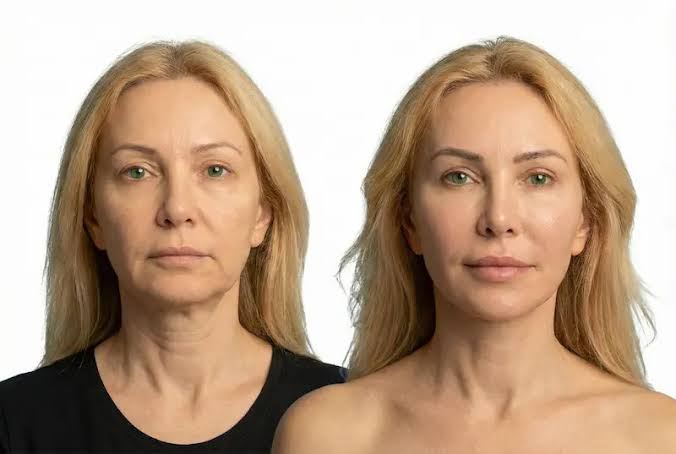
Top 10 Most Popular Cosmetic Surgery Procedures in 2026 Cosmetic surgery continues to evolve as more people seek safe and effective ways to enhance their appearance and boost self-confidence. With advancements in medical technology and surgical techniques, modern cosmetic procedures now provide more natural results, faster recovery, and improved safety. In 2026, the focus of cosmetic surgery trends is on subtle enhancements, personalized treatments, and procedures that help people look refreshed rather than dramatically different. Here are the top 10 most popular cosmetic surgery procedures in 2026. Liposuction remains one of the most commonly performed cosmetic surgeries worldwide. It is used to remove stubborn fat deposits from areas such as the abdomen, thighs, hips, arms, and chin. Many people choose liposuction to improve body contour and achieve a more sculpted appearance when diet and exercise alone cannot eliminate certain fat pockets. 2. Breast Augmentation Breast augmentation is a widely requested procedure that enhances the size and shape of the breasts using implants or fat transfer. In recent years, patients have been choosing more natural-looking results with implants that match their body proportions, helping them achieve a balanced and harmonious appearance. 3. Rhinoplasty (Nose Surgery) Rhinoplasty is one of the most popular facial cosmetic surgeries. This procedure reshapes the nose to improve facial symmetry or correct structural issues that may affect breathing. Modern rhinoplasty techniques focus on preserving natural nasal structures while enhancing the overall look of the face. 4. Tummy Tuck (Abdominoplasty) A tummy tuck is designed to remove excess skin and tighten weakened abdominal muscles. It is especially popular among individuals who have experienced significant weight loss or pregnancy. The procedure helps create a flatter, firmer abdomen and improves overall body contour. 5. Eyelid Surgery (Blepharoplasty) Eyelid surgery is increasingly popular among people who want to reduce signs of aging around the eyes. The procedure removes excess skin and fat from the upper or lower eyelids, giving the face a more youthful and refreshed appearance. 6. Facelift Facelifts remain one of the most effective procedures for reducing visible signs of aging. Modern facelift techniques lift and tighten deeper facial tissues to restore youthful contours while maintaining natural facial expressions. This procedure helps reduce sagging skin, deep wrinkles, and loss of facial volume. 7. Breast Reduction Breast reduction surgery is popular for both aesthetic and medical reasons. Many individuals choose this procedure to reduce discomfort caused by overly large breasts, such as back pain, neck strain, and posture issues. It also helps achieve better body proportions and improved comfort in daily activities. 8. Brazilian Butt Lift (BBL) The Brazilian Butt Lift is a body contouring procedure that enhances the shape and size of the buttocks using fat transferred from other areas of the body. This procedure provides a natural-looking enhancement and has become increasingly popular in recent years. 9. Botox and Injectable Treatments Although minimally invasive, Botox and injectable treatments remain some of the most requested cosmetic procedures. These treatments help reduce wrinkles and fine lines by relaxing facial muscles, giving the skin a smoother and more youthful appearance with minimal downtime. 10. Mommy Makeover A mommy makeover combines multiple cosmetic procedures to restore a woman’s body after pregnancy. It often includes treatments such as a tummy tuck, breast lift or augmentation, and liposuction. This personalized approach allows patients to address several concerns in a single treatment plan. Conclusion Cosmetic surgery in 2026 focuses on achieving natural, balanced results that enhance a person’s unique features. With improved surgical techniques and advanced technology, patients now have access to safer procedures and quicker recovery times. As the demand for aesthetic treatments continues to grow, cosmetic surgery will keep evolving to provide personalized solutions that help people look and feel their best.

Centre Directs States to Strengthen Fire Safety Measures at Health Care Facilities
Fire Safety

Centre Asks States to Put Fire Safety Measures at Health Care Facilities

Centre Asks States to Put Fire Safety Measures at Health Care Facilities Introduction The Central Government has directed all states and Union Territories to strengthen fire safety measures at health care facilities across the country. This step comes after several tragic fire incidents in hospitals that exposed serious safety lapses and put vulnerable lives at risk. The directive aims to ensure that hospitals, clinics, and medical institutions are better prepared to prevent and handle fire emergencies. Ensuring fire safety in health care settings is critical because hospitals house patients who may be immobile, elderly, critically ill, or dependent on life-support systems. In such environments, even a small fire can quickly turn into a life-threatening disaster. Why Fire Safety in Hospitals Is Crucial Health care facilities operate 24/7 and contain complex electrical systems, oxygen pipelines, medical gases, and flammable materials. These factors significantly increase the risk of fire hazards if proper safety protocols are not maintained. Unlike other buildings, hospitals cannot be evacuated easily. Patients in intensive care units, operation theatres, and neonatal wards require specialized care and equipment. Any delay in emergency response can result in severe consequences. Therefore, strong fire prevention systems, trained staff, and efficient evacuation plans are essential. Key Directions Issued to States The Centre has emphasized several critical measures that states must implement: 1. Regular Fire Safety Audits States have been instructed to conduct periodic fire safety and electrical audits in both public and private health care facilities. These audits help identify potential hazards such as faulty wiring, overloaded circuits, blocked exits, and non-functional fire equipment. 2. Installation and Maintenance of Safety Equipment Hospitals must ensure the availability of working fire extinguishers, smoke detectors, fire alarms, sprinkler systems, and fire hydrants. Regular maintenance and testing of these systems are equally important to ensure they function effectively during emergencies. 3. Staff Training and Mock Drills Medical and non-medical staff should be trained in fire prevention, emergency response, and evacuation procedures. Conducting regular mock drills ensures that everyone understands their role during a crisis and can respond quickly without panic. 4. Strict Compliance and Monitoring States are expected to monitor compliance with fire safety norms and ensure that health care facilities meet required standards. Non-compliance may lead to penalties or legal action to enforce accountability. Recent Concerns and the Need for Action In recent years, several hospital fire incidents across India have led to loss of lives and severe damage to infrastructure. Investigations often revealed lapses such as lack of fire safety certificates, non-functional alarm systems, poor emergency planning, and inadequate staff training. These incidents have highlighted the urgent need for a systematic and preventive approach rather than reactive measures after tragedies occur. Challenges in Implementation While the directive is a positive step, implementation remains a challenge in many regions. Smaller hospitals and rural health centres may struggle due to limited funding, outdated infrastructure, or lack of technical expertise. Upgrading facilities, conducting frequent inspections, and ensuring continuous monitoring require coordination between health departments, fire services, and local authorities. Budget allocation and strict enforcement will be key factors in successful implementation. The Way Forward To create safer health care environments, fire safety must become an integral part of hospital management rather than a one-time compliance exercise. Regular training, infrastructure upgrades, technological advancements, and transparent reporting systems can significantly reduce risks. Patient safety should always be the highest priority. By enforcing comprehensive fire safety measures, the Centre and states can work together to prevent avoidable tragedies and ensure that hospitals remain places of healing, not risk.

The Beauty of Plastic Surgery: Confidence, Art, and Transformation
cosmetic Surgery, Surgery

The Beauty of Plastic Surgery

The Beauty of Plastic Surgery Plastic surgery is often misunderstood as a field concerned only with vanity or superficial enhancement. In reality, it represents a unique blend of medical science and artistic precision. The beauty of plastic surgery lies not just in physical transformation, but in the restoration of confidence, function, and emotional well-being. Where Art Meets Medicine Plastic surgery is one of the few medical specialties that requires both technical expertise and an artistic eye. Surgeons must understand anatomy in great detail while also considering symmetry, proportion, and natural aesthetics. Every face and body is different. The goal is not to create artificial perfection, but to enhance natural features in a way that looks balanced and harmonious. This delicate combination of science and artistry is what makes plastic surgery truly beautiful. Enhancing Natural Confidence One of the most powerful aspects of plastic surgery is its ability to improve self-esteem. For many individuals, physical concerns can deeply affect confidence and social interactions. Procedures such as rhinoplasty, body contouring, or facial rejuvenation can help people feel more comfortable in their own skin. When individuals feel confident about their appearance, it often positively impacts their personal relationships, careers, and overall outlook on life. Healing and Restoration The beauty of plastic surgery extends far beyond cosmetic enhancement. Reconstructive procedures help individuals who have experienced trauma, burns, birth defects, or medical conditions such as cancer. These surgeries restore not only physical form but also essential functions and dignity. For many patients, reconstructive surgery is life-changing. It allows them to reclaim normalcy and move forward with renewed strength and confidence. Modern Advancements in Plastic Surgery Medical technology has significantly advanced over the years. Today’s plastic surgery techniques focus on: These innovations ensure that patients achieve refined results while maintaining their unique identity. Making Empowered Choices The decision to undergo plastic surgery should always be personal and well-informed. It is important to have realistic expectations and consult qualified professionals who prioritize patient safety and ethical practice. When approached thoughtfully, plastic surgery can be a powerful tool for self-improvement and healing. Conclusion The true beauty of plastic surgery is not defined by outward appearance alone. It lies in transformation, confidence, recovery, and empowerment. Whether enhancing features or restoring what was lost, plastic surgery has the ability to change lives in meaningful and positive ways. If you would like, I can also provide SEO elements such as meta title, description, slug, and focus keyword to help this post rank better on search engines.

Scroll to Top