
Hair Transplant

Hair Transplant

PRP Therapy for Hair Loss: How It Works

PRP Therapy for Hair Loss: How It Works Hair loss affects millions of people worldwide and can impact confidence and self-esteem. Whether caused by genetics, hormonal changes, stress, or medical conditions, thinning hair often leads individuals to seek effective treatment options. Among modern non-surgical solutions, Platelet-Rich Plasma (PRP) therapy has gained significant popularity for its ability to promote natural hair growth. PRP therapy is considered a minimally invasive treatment that uses the body’s own healing properties to stimulate hair follicles and encourage healthier, thicker hair growth. Understanding how PRP therapy works can help individuals decide whether it may be a suitable option for their hair restoration journey. What Is PRP Therapy? PRP stands for Platelet-Rich Plasma, a concentrated component of blood containing a high number of platelets and growth factors. Platelets are best known for helping the body heal injuries, but they also release proteins and growth factors that support tissue repair and regeneration. In PRP hair treatment, a patient’s own blood is processed to isolate platelet-rich plasma, which is then injected into targeted areas of the scalp experiencing hair thinning or hair loss. The purpose of this treatment is to stimulate dormant or weakened hair follicles and create an environment that supports stronger and healthier hair growth. How PRP Therapy Works for Hair Loss PRP treatment generally involves a simple three-step process: Step 1: Blood Collection A small amount of blood is drawn from the patient’s arm, similar to a routine blood test. Step 2: Plasma Separation The collected blood is placed into a centrifuge machine that spins at high speed. This process separates the platelet-rich plasma from other blood components. The concentrated plasma contains growth factors believed to support healing and cellular repair. Step 3: Scalp Injections The PRP solution is carefully injected into specific areas of the scalp where hair thinning or hair loss occurs. These growth factors may help: Over time, repeated sessions may encourage improved hair density and reduce ongoing hair shedding. Conditions PRP Therapy May Help Treat PRP therapy is often used for individuals experiencing: Results can vary depending on the cause and severity of hair loss. Patients with active hair follicles generally respond better compared to those with complete follicle loss. Benefits of PRP Therapy PRP therapy has become increasingly popular due to several advantages: Natural Treatment Approach Because the treatment uses the patient’s own blood, the risk of allergic reactions or rejection is very low. Minimally Invasive Procedure PRP does not require surgery, large incisions, or extensive recovery time. Quick Treatment Sessions Sessions often take less than an hour, making them convenient for many individuals. Minimal Downtime Most patients can return to normal activities shortly after treatment. Potential Improvement in Hair Thickness Many individuals report improvements in hair texture, density, and overall scalp health after multiple sessions. What to Expect During Recovery Recovery after PRP therapy is usually minimal. Some patients may experience: These effects generally resolve within a few days. Multiple treatment sessions are often recommended over several months to achieve optimal results. Is PRP Therapy Right for Everyone? Although PRP therapy can provide promising results, it may not be suitable for everyone. Certain medical conditions, blood disorders, or advanced hair loss stages may affect treatment outcomes. A detailed consultation with a qualified specialist is important to determine whether PRP therapy aligns with an individual’s needs and expectations. Final Thoughts PRP therapy offers an innovative and natural approach to hair restoration by using the body’s own healing mechanisms to stimulate hair growth. While results vary from person to person, many individuals see improvements in hair thickness and reduced hair shedding after consistent treatment sessions. For people looking for a non-surgical option to address early hair loss or thinning hair, PRP therapy continues to emerge as a promising solution in modern hair restoration treatments.

Hair Transplant in Odisha for Men
Hair Transplant

Hair Transplant: Procedure, Benefits, and Results

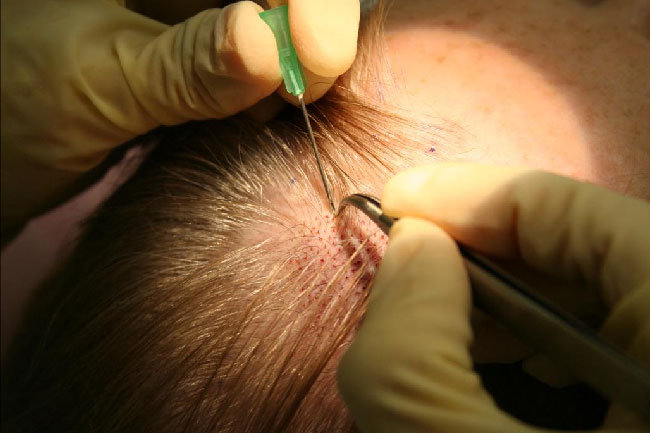
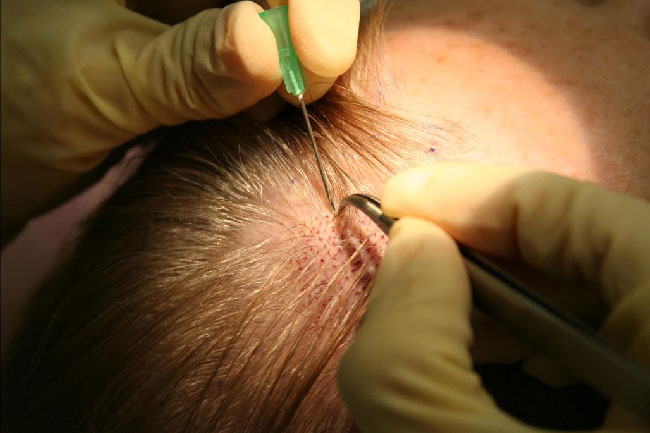
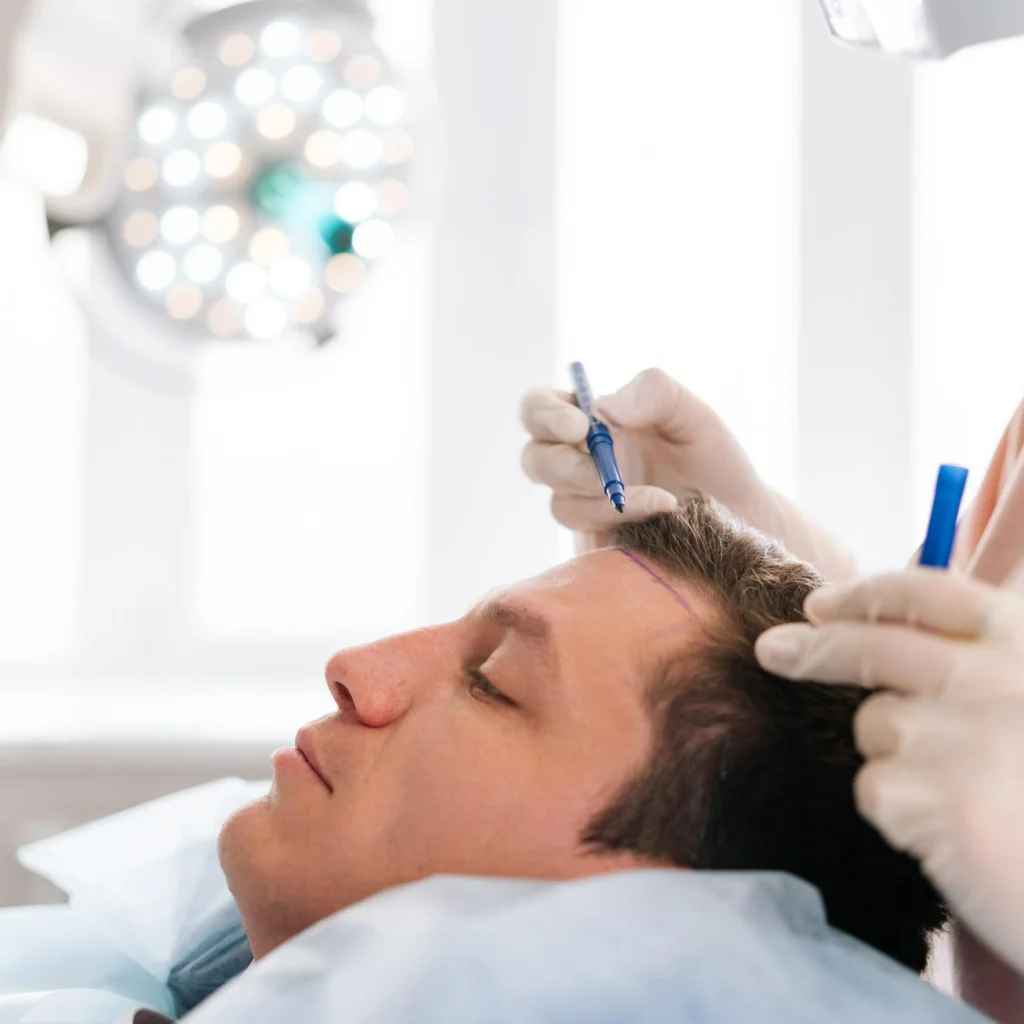
Hair Transplant: Procedure, Benefits, and Results Hair loss is a common concern affecting both men and women. Factors such as genetics, stress, hormonal imbalance, medical conditions, and lifestyle habits can lead to thinning hair or baldness. Fortunately, modern hair transplant procedures offer a safe and effective solution for restoring natural hair growth and confidence. A hair transplant is a minimally invasive cosmetic procedure that relocates healthy hair follicles from one part of the scalp to areas experiencing hair loss. With advanced techniques and improved technology, hair transplantation today delivers natural-looking and long-lasting results. What Is a Hair Transplant? A hair transplant is a surgical procedure in which hair follicles are extracted from a donor area — usually the back or sides of the scalp — and implanted into bald or thinning areas. The two most commonly used techniques are: 1. Follicular Unit Extraction (FUE) In the FUE method, individual hair follicles are removed and transplanted one by one. This technique leaves minimal scarring and offers faster recovery. 2. Follicular Unit Transplantation (FUT) In FUT, a strip of scalp containing healthy follicles is removed from the donor area, and the follicles are separated and transplanted. This method is suitable for patients requiring a larger number of grafts. Both techniques aim to provide natural hair density and permanent hair restoration. Hair Transplant Procedure The hair transplant process generally involves the following steps: Consultation and Hair Analysis The specialist examines the scalp, identifies the cause of hair loss, and designs a personalized treatment plan. Preparation The donor and recipient areas are cleaned, and local anesthesia is administered to ensure comfort during the procedure. Extraction of Hair Follicles Healthy hair follicles are carefully extracted from the donor area using the chosen technique. Implantation The follicles are implanted into thinning or bald regions while maintaining the natural angle and direction of hair growth. Recovery Patients can usually return home the same day. Mild swelling or redness may occur temporarily and typically subsides within a few days. Benefits of Hair Transplant Hair transplantation has become increasingly popular because of its numerous advantages. Natural-Looking Results Modern techniques ensure that transplanted hair blends naturally with existing hair. Permanent Solution Transplanted follicles are generally resistant to hair loss, making the results long-lasting. Improved Confidence Restoring hair often helps individuals feel more confident and comfortable with their appearance. Minimal Downtime Most patients resume normal activities within a few days after the procedure. Safe and Effective When performed by experienced specialists, hair transplantation is considered a safe cosmetic procedure with high success rates. Results and Recovery Hair transplant results develop gradually over time. The final outcome depends on factors such as hair quality, scalp condition, technique used, and post-procedure care. Who Is a Good Candidate? Hair transplantation may be suitable for individuals who: A professional consultation is essential to determine the most appropriate treatment approach. Tips for Better Hair Transplant Results To ensure successful recovery and optimal growth: Conclusion Hair transplantation has transformed the way people address hair loss. With advanced procedures, natural-looking outcomes, and long-term benefits, it offers an effective solution for restoring hair and confidence. Consulting an experienced hair transplant specialist can help you understand the best treatment option based on your hair condition and desired results.

Hair Transplant in Odisha for Men
Hair Transplant

Hair Transplant Advances: Fullness for Odisha Men

Hair Transplant Advances: Fullness for Odisha Men Introduction Hair loss is no longer a silent struggle for men in Odisha. With rapid advancements in medical technology, modern hair transplant procedures are delivering natural-looking, long-lasting results. Today, men across cities like Bhubaneswar are embracing these solutions to restore confidence and regain a youthful appearance. Understanding Hair Loss in Men Hair loss can occur due to multiple reasons, including: Conditions like Androgenetic Alopecia are the most common cause among men, leading to gradual thinning and receding hairlines. Modern Hair Transplant Techniques Gone are the days of unnatural “pluggy” results. Today’s procedures are precise, minimally invasive, and highly effective. 1. Follicular Unit Extraction (FUE) Follicular Unit Extraction is one of the most popular techniques. It involves extracting individual hair follicles and implanting them into thinning areas. Benefits: 2. Follicular Unit Transplantation (FUT) Follicular Unit Transplantation involves removing a strip of scalp and dissecting it into grafts. Best for: 3. PRP Therapy (Platelet-Rich Plasma) Platelet-Rich Plasma Therapy is often combined with transplants to enhance results. It uses the patient’s own blood plasma to stimulate hair growth and strengthen follicles. Why Odisha Men Are Opting for Hair Transplants The demand for hair restoration in Odisha has grown significantly due to: Men are no longer hesitant—hair restoration is now seen as a smart investment in self-care. What to Expect During the Procedure A typical hair transplant journey includes: Most patients can return to normal activities within a week. Results and Recovery The outcome is permanent and blends seamlessly with natural hair. Choosing the Right Clinic When selecting a clinic in Bhubaneswar or nearby areas, consider: A well-equipped clinic ensures both safety and optimal results. Conclusion Hair transplant advancements have made it easier than ever for men in Odisha to regain their hair and confidence. With modern techniques like Follicular Unit Extraction and supportive therapies such as Platelet-Rich Plasma Therapy, achieving natural fullness is now a reality. If hair loss has been affecting your confidence, this could be the right time to explore safe and effective solutions tailored to your needs.

Recover Safely After a Hair Transplant in Humid Weather: Expert Care Tips
Hair Transplant

Recover Safely After a Hair Transplant During Humid Weather

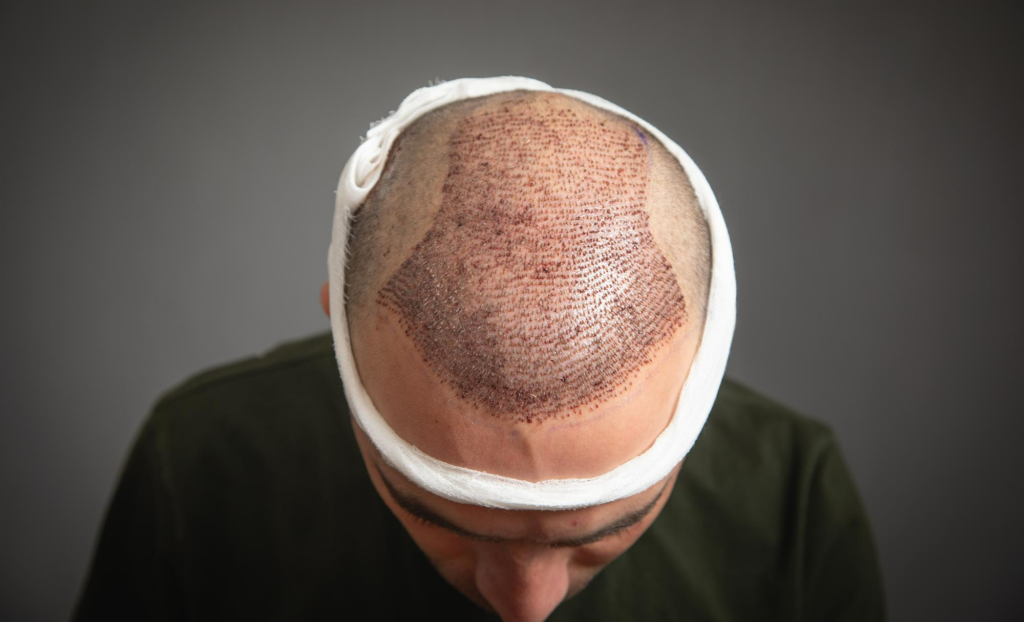
Recover Safely After a Hair Transplant During Humid Weather Hair transplant procedures have become increasingly popular for restoring confidence and achieving natural-looking hair growth. However, recovery plays a critical role in determining the success of the transplant—especially if you live in a humid climate. High humidity can increase sweating, raise the risk of infection, and slow healing if not managed properly. Here’s a complete guide to help you recover safely after a hair transplant during humid weather. Why Humid Weather Affects Recovery Humidity creates a moist environment that can: Since your scalp is sensitive and healing after the procedure, extra care is essential to avoid complications. 1. Keep Your Scalp Clean and Dry Maintaining hygiene is the most important step in humid conditions. If you sweat, clean the area gently as soon as possible. 2. Avoid Direct Sun Exposure Humidity often comes with intense heat and sunlight. Sun exposure can damage newly transplanted follicles and slow healing. 3. Control Sweating Sweating is one of the biggest challenges in humid weather. Excess sweat can loosen grafts and increase infection risk. 4. Follow Medication Strictly Doctors usually prescribe: Take all medications on time and do not skip doses. In humid conditions, this becomes even more crucial. 5. Don’t Touch or Scratch the Scalp Humidity can cause itching—but scratching is dangerous. Touching can dislodge grafts and affect results. 6. Wear Loose, Breathable Clothing Your overall comfort matters during recovery. This helps reduce body heat and sweating. 7. Stay Hydrated and Eat Right A healthy body heals faster. Proper nutrition supports hair growth and tissue repair. 8. Sleep Carefully Sleeping position affects graft safety. This reduces swelling and protects the transplanted area. 9. Avoid Swimming and Rain Exposure In humid regions, rain and water exposure are common. Always keep your scalp protected from unclean water. 10. Attend Follow-Up Appointments Regular check-ups ensure proper healing. Early intervention can prevent complications. Final Thoughts Recovering from a hair transplant in humid weather requires extra care, but it’s completely manageable with the right precautions. Focus on hygiene, avoid sweating, stay cool, and follow your doctor’s guidance strictly. A little discipline during the recovery phase can make a huge difference in achieving dense, natural, and long-lasting hair growth.

Scroll to Top