
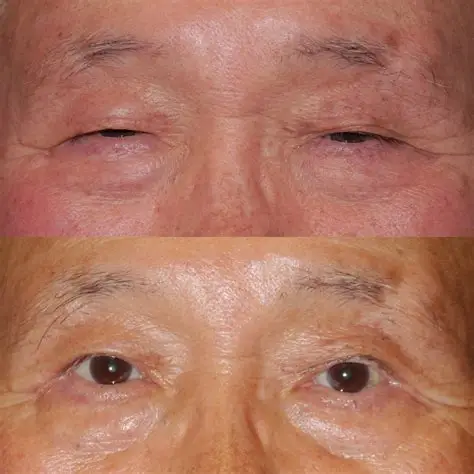
Ptosis Correction Surgery: When a Drooping Eyelid Needs Fixing
Ptosis Correction Surgery: When a Drooping Eyelid Needs Fixing A drooping upper eyelid may seem like a cosmetic concern, but in some people, it can also interfere with vision and everyday activities. This condition is known as ptosis, and it can affect one or both eyes. When the drooping becomes significant, ptosis correction surgery may be recommended to improve eyelid position, vision, and facial symmetry. What Is Ptosis? Ptosis is the medical term for an abnormally low position of the upper eyelid. It occurs when the muscles or tissues responsible for lifting the eyelid do not function properly. The condition can develop gradually with age or may be present from birth. In some cases, ptosis can develop following an injury, eye surgery, or certain medical conditions. Common Signs of Ptosis People with ptosis may experience: The severity of symptoms can vary considerably from person to person. What Causes a Drooping Eyelid? Ptosis can have several causes, including: Age-related changes: With ageing, the eyelid-lifting muscle or its supporting tissues can stretch or weaken. Congenital ptosis: Some people are born with a poorly developed eyelid-lifting muscle. Trauma or surgery: An injury or previous eye surgery can sometimes affect the structures responsible for eyelid elevation. Neurological or muscular conditions: Certain disorders affecting nerves or muscles may cause eyelid drooping. Because the underlying cause can vary, an appropriate eye examination is important before deciding on treatment. When Does Ptosis Need Treatment? Mild ptosis may not require surgery if it does not affect vision or cause significant symptoms. However, treatment may be considered when the eyelid: The decision should be based on the individual’s symptoms, eyelid function, and underlying cause. What Is Ptosis Correction Surgery? Ptosis correction surgery, also called ptosis repair, is a procedure designed to raise the upper eyelid to a more appropriate position. Depending on the patient’s eyelid muscle function and the cause of ptosis, the surgeon may use different surgical techniques. These can involve tightening or repositioning the eyelid-lifting muscle or using another supporting structure when the muscle has very limited function. The appropriate technique is determined after a detailed examination by an ophthalmologist or oculoplastic surgeon. What Happens During the Procedure? Before surgery, the doctor generally evaluates eyelid position, eyelid movement, vision, eye movements, and the strength or function of the eyelid-lifting muscle. During surgery, the selected technique is used to improve the elevation of the upper eyelid. The proc