
Is Cosmetic Surgery Safe? Risks and Benefits Explained
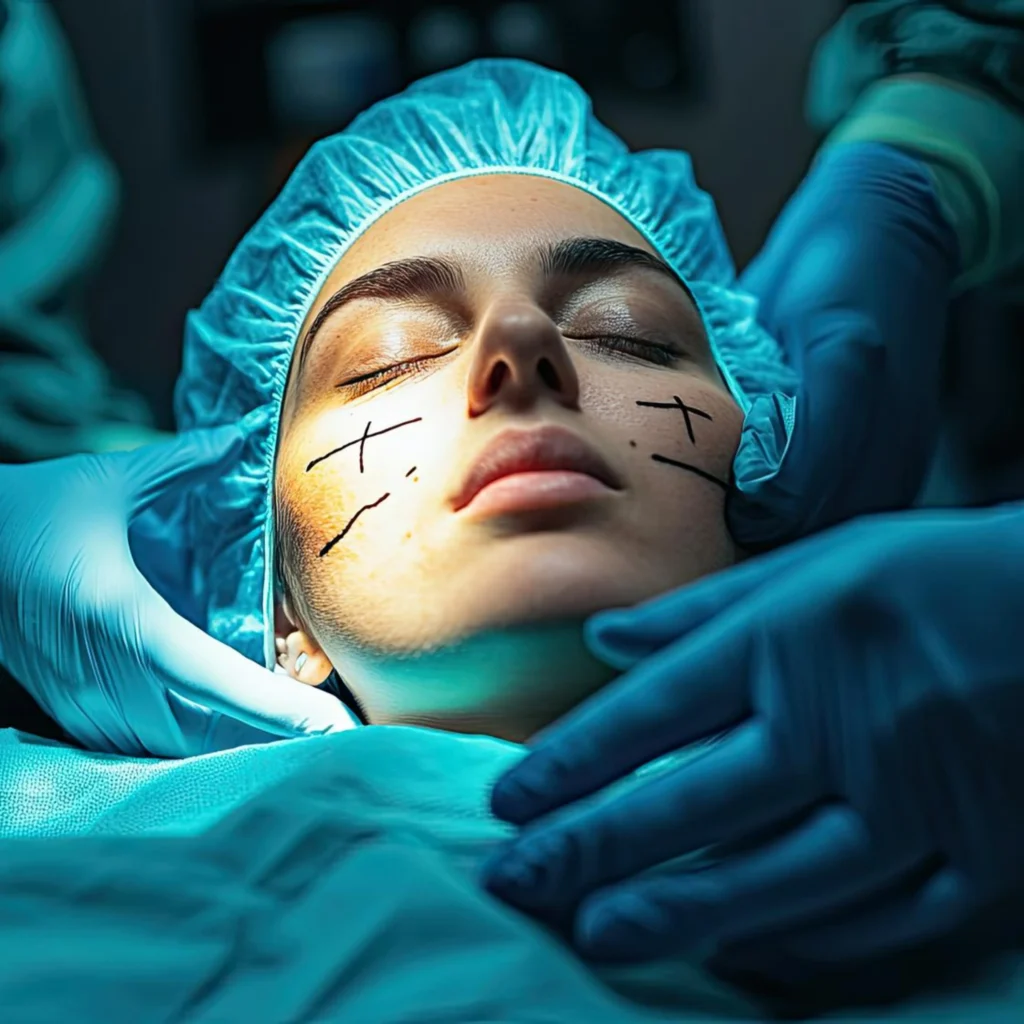
Cosmetic surgery has become more popular than ever, with millions of people choosing procedures to improve their appearance and boost confidence. From rhinoplasty and liposuction to facelifts and breast augmentation, modern cosmetic procedures offer impressive results. But one important question remains: Is cosmetic surgery safe?
The answer is not entirely simple. Cosmetic surgery can be safe when performed by qualified professionals under proper medical conditions, but like any surgical procedure, it also comes with risks. Understanding both the benefits and the potential complications can help you make an informed decision.
What Is Cosmetic Surgery?
Cosmetic surgery refers to medical procedures designed to improve or enhance a person’s appearance. These surgeries can target different parts of the body, including the face, skin, breasts, and body contour.
Common cosmetic procedures include:
- Rhinoplasty (nose reshaping)
- Liposuction
- Breast augmentation
- Facelifts
- Tummy tucks
- Eyelid surgery
- Botox and fillers
Some procedures are surgical, while others are minimally invasive and require little recovery time.
Is Cosmetic Surgery Generally Safe?
In most cases, cosmetic surgery is considered safe when:
- It is performed by a licensed and experienced surgeon
- The procedure takes place in an accredited medical facility
- The patient is healthy enough for surgery
- Proper aftercare instructions are followed
Advancements in medical technology, anesthesia, and surgical techniques have significantly improved patient safety over the years. However, no surgery is completely risk-free.
Benefits of Cosmetic Surgery
1. Improved Self-Confidence
One of the biggest reasons people choose cosmetic surgery is to feel more confident about their appearance. Many patients report improved self-esteem after achieving their desired look.
2. Enhanced Physical Appearance
Cosmetic procedures can help correct features people may feel unhappy with, creating a more balanced or youthful appearance.
3. Reconstructive Advantages
Some cosmetic procedures also provide functional benefits. For example:
- Rhinoplasty may improve breathing
- Breast reduction can relieve back pain
- Eyelid surgery may improve vision in some cases
4. Long-Lasting Results
Many cosmetic surgeries provide results that can last for years, especially when combined with a healthy lifestyle.
5. Motivation for Healthier Habits
Some patients become more motivated to maintain healthy habits such as exercise, balanced nutrition, and skincare after surgery.
Risks and Potential Complications
Although cosmetic surgery can be beneficial, it also carries risks that should not be ignored.
1. Infection
Any surgical procedure can lead to infection if wounds are not properly cared for.
2. Scarring
Most surgeries leave some form of scar, though skilled surgeons try to minimize visible marks.
3. Anesthesia Risks
Reactions to anesthesia are rare but possible, especially in individuals with underlying health conditions.
4. Unsatisfactory Results
Sometimes results may not meet expectations, leading to disappointment or the need for revision surgery.
5. Blood Clots and Bleeding
More invasive surgeries may increase the risk of bleeding or blood clots.
6. Emotional Impact
Some individuals may struggle emotionally if results differ from what they imagined or if they rely heavily on surgery for self-worth.
Factors That Affect Safety
Several factors influence how safe cosmetic surgery will be:
Surgeon Qualifications
Always choose a board-certified and experienced cosmetic surgeon.
Patient Health
People with conditions like diabetes, heart disease, or smoking habits may face higher risks.
Type of Procedure
More complex surgeries generally carry higher risks than minimally invasive treatments.
Recovery and Aftercare
Following post-operative instructions carefully is essential for reducing complications.
Tips for Safer Cosmetic Surgery
If you are considering cosmetic surgery, keep these safety tips in mind:
- Research your surgeon thoroughly
- Ask to see before-and-after photos
- Discuss risks openly during consultation
- Avoid cheap or unlicensed clinics
- Follow all recovery instructions
- Maintain realistic expectations
Non-Surgical Alternatives
Not everyone needs surgery to achieve cosmetic goals. Non-invasive treatments may offer noticeable improvements with fewer risks, including:
- Botox
- Dermal fillers
- Laser skin treatments
- Chemical peels
- Microneedling
These options usually involve shorter recovery times and lower complication rates.
Final Thoughts
Cosmetic surgery can be safe and life-changing for many people when performed responsibly and for the right reasons. However, it is still a medical procedure with real risks that should be carefully considered.
The key to a positive experience lies in proper research, choosing qualified professionals, understanding the risks, and maintaining realistic expectations. Before making a decision, consult a trusted medical expert and take time to evaluate whether the procedure aligns with your personal goals and health needs.
Ultimately, cosmetic surgery is a personal choice — and making an informed decision is the safest step you can take.