
Septoplasty vs Rhinoplasty: Understanding the Difference
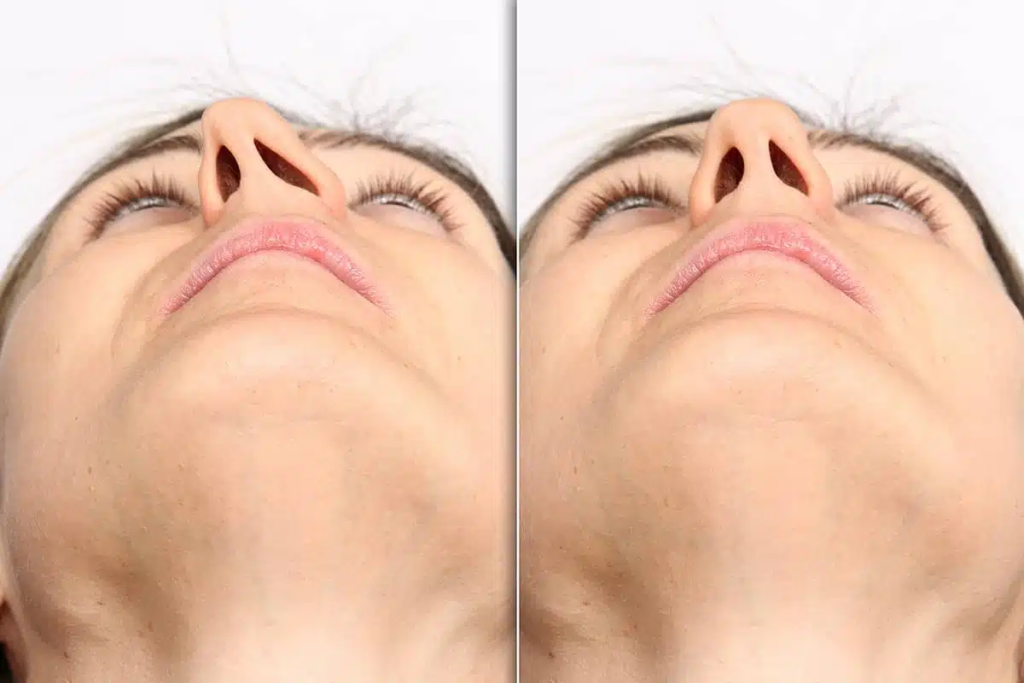
Many people assume that septoplasty and rhinoplasty are the same procedure because both involve the nose. However, they serve very different purposes. While septoplasty is performed to improve breathing by correcting a deviated nasal septum, rhinoplasty is designed to enhance the appearance of the nose or improve its function after injury. Understanding the differences between these procedures can help you make an informed decision if you are considering nasal surgery.
What Is Septoplasty?
Septoplasty is a surgical procedure that corrects a deviated nasal septum—the wall of cartilage and bone that separates the two nostrils. A deviated septum can block airflow, making it difficult to breathe through one or both sides of the nose.
Common Reasons for Septoplasty
- Difficulty breathing through the nose
- Chronic nasal congestion
- Frequent sinus infections
- Snoring or sleep disturbances
- Nosebleeds caused by a deviated septum
The primary goal of septoplasty is to improve nasal airflow and restore normal breathing. Since the surgery focuses on the inside of the nose, it usually does not change the external appearance.
What Is Rhinoplasty?
Rhinoplasty, commonly known as a nose job, is a cosmetic or reconstructive procedure that changes the shape, size, or structure of the nose. It can improve facial harmony, correct birth defects, repair injuries, or enhance breathing when structural issues are present.
Common Reasons for Rhinoplasty
- Reshaping the nasal bridge
- Refining the nasal tip
- Correcting a crooked nose
- Reducing or increasing nose size
- Repairing trauma or injury
- Improving facial balance
Rhinoplasty can be performed for cosmetic, functional, or combined purposes depending on the patient’s needs.
Key Differences Between Septoplasty and Rhinoplasty
| Feature | Septoplasty | Rhinoplasty |
|---|---|---|
| Primary Purpose | Improve breathing | Improve appearance and/or function |
| Focus Area | Nasal septum | External nose and nasal structure |
| Cosmetic Changes | Usually none | Yes |
| Medical Need | Functional | Cosmetic, reconstructive, or functional |
| Insurance Coverage | Often covered if medically necessary | Usually not covered unless medically required |
Can Septoplasty and Rhinoplasty Be Performed Together?
Yes. Many patients undergo a septorhinoplasty, which combines septoplasty and rhinoplasty in a single procedure. This approach allows the surgeon to correct breathing problems while simultaneously improving the appearance of the nose.
Benefits of combining the procedures include:
- One surgery and one recovery period
- Improved breathing and aesthetics
- Better structural support for the nose
- Reduced overall treatment time
Who Is a Good Candidate?
You may be a good candidate for Septoplasty if you:
- Have persistent nasal blockage
- Struggle with breathing through your nose
- Experience recurrent sinus infections
- Have a diagnosed deviated septum
You may be a good candidate for Rhinoplasty if you:
- Are unhappy with the shape or size of your nose
- Have suffered a nasal injury
- Want better facial balance
- Have realistic expectations about surgical outcomes
Recovery After Surgery
Recovery varies depending on the procedure performed.
Septoplasty Recovery
- Mild swelling and congestion for a few days
- Most patients return to work within one week
- Breathing gradually improves as healing progresses
Rhinoplasty Recovery
- Swelling and bruising around the eyes for 1–2 weeks
- Initial results become visible after swelling reduces
- Final nasal shape may take up to a year to fully settle
Following your surgeon’s post-operative instructions is essential for a smooth recovery and optimal results.
Choosing the Right Procedure
If your primary concern is difficulty breathing due to a deviated septum, septoplasty is generally the appropriate treatment. If you wish to improve the appearance of your nose or address both cosmetic and functional concerns, rhinoplasty—or a combined septorhinoplasty—may be recommended.
A consultation with a qualified plastic and reconstructive surgeon is the best way to determine which procedure is right for your specific needs and goals.
Conclusion
Although septoplasty and rhinoplasty both involve the nose, they are performed for different reasons. Septoplasty focuses on restoring healthy breathing by correcting the nasal septum, while rhinoplasty enhances the nose’s appearance and can also improve function when needed. Understanding the purpose, benefits, and recovery of each procedure helps you make an informed decision. If you’re experiencing breathing difficulties, cosmetic concerns, or both, consulting an experienced surgeon can help you achieve improved function, enhanced confidence, and long-lasting results.