
Scar Revision Surgery: Options for Acne, Burn, and Surgical Scars
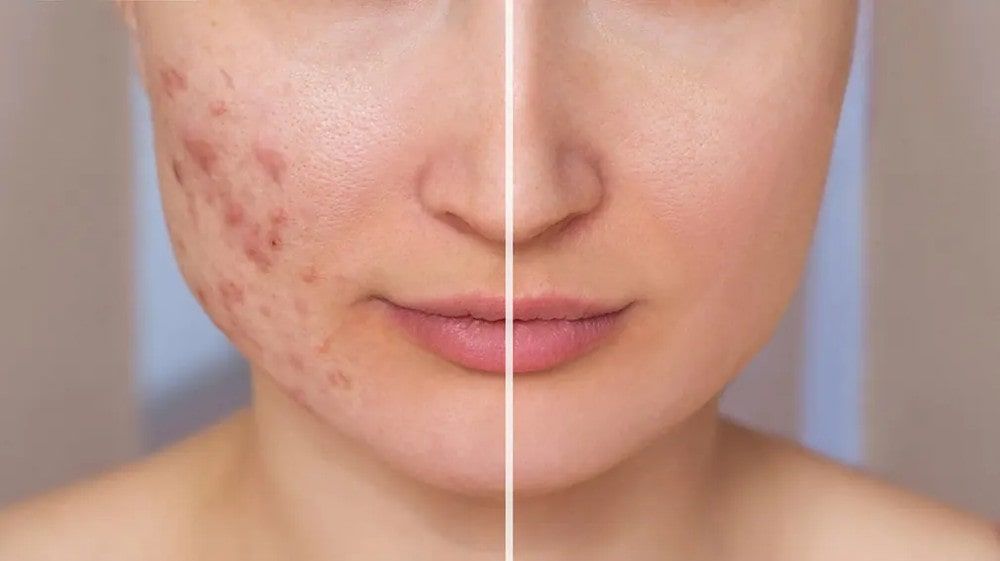
Scars are a natural part of the body’s healing process, but they can sometimes affect confidence, comfort, or even movement depending on their size and location. Whether caused by acne, burns, injuries, or previous surgeries, scars can often be improved with modern scar revision procedures. Scar revision surgery aims to minimize the appearance of scars, restore skin texture, and improve functionality while blending the scar more naturally with the surrounding skin. Although no treatment can completely erase a scar, advanced surgical and non-surgical techniques can significantly enhance its appearance.
Understanding Scar Revision Surgery
Scar revision surgery is a specialized cosmetic and reconstructive procedure designed to improve the appearance of existing scars or restore function when scars restrict movement. The choice of treatment depends on factors such as the type, size, depth, location, age of the scar, and the patient’s skin type. A thorough evaluation by a qualified plastic surgeon helps determine the most suitable treatment plan for achieving optimal results.
Acne Scar Revision
Acne scars can range from shallow depressions to deep pitted marks that affect the skin’s texture. Depending on the severity, treatments may include surgical scar excision, subcision, laser resurfacing, chemical peels, microneedling, dermabrasion, or dermal fillers. In many cases, combining multiple treatments provides the best results by stimulating collagen production and improving skin smoothness. The treatment plan is personalized based on the type of acne scars, such as ice-pick, boxcar, or rolling scars.
Burn Scar Revision
Burn scars can become thick, raised, tight, or discolored, often limiting movement around joints or causing significant cosmetic concerns. Scar revision for burn injuries may involve surgical excision, skin grafting, local or regional flap reconstruction, tissue expansion, laser therapy, or contracture release procedures. These treatments help improve flexibility, reduce discomfort, restore function, and create a more natural appearance. Early intervention and proper rehabilitation can further enhance long-term outcomes.
Surgical Scar Revision
Scars left after previous surgeries may become widened, raised, uneven, or highly noticeable over time. Surgical scar revision involves carefully removing or repositioning the existing scar and closing the wound with advanced plastic surgery techniques to create a finer, less visible scar. Depending on the scar characteristics, additional treatments such as steroid injections, silicone gel therapy, laser treatment, or microneedling may be recommended to optimize healing and reduce scar prominence.
Who Is an Ideal Candidate?
Individuals with mature scars that are fully healed, generally in good health, and have realistic expectations are good candidates for scar revision surgery. Patients experiencing discomfort, restricted movement due to scar contracture, or emotional distress because of visible scars may benefit from treatment. A consultation with a plastic surgeon is essential to assess the scar and discuss the most effective treatment options.
Recovery and Results
Recovery depends on the type and extent of the scar revision procedure. Mild treatments may require only a few days of downtime, while surgical procedures may take several weeks for complete healing. Patients are advised to follow postoperative care instructions carefully, avoid excessive sun exposure, and attend regular follow-up appointments. Scar improvement continues gradually over several months as the skin heals and remodels, with final results becoming more noticeable over time.
Conclusion
Scar revision surgery offers effective solutions for improving acne scars, burn scars, and surgical scars, helping patients regain confidence and improve skin appearance and function. With today’s advanced reconstructive and cosmetic techniques, personalized treatment plans can significantly reduce scar visibility while delivering natural-looking results. Consulting an experienced plastic surgeon is the first step toward choosing the most appropriate scar revision option for your individual needs.