
Bio-Integrated FUE Hair Transplant: What Makes It Different?
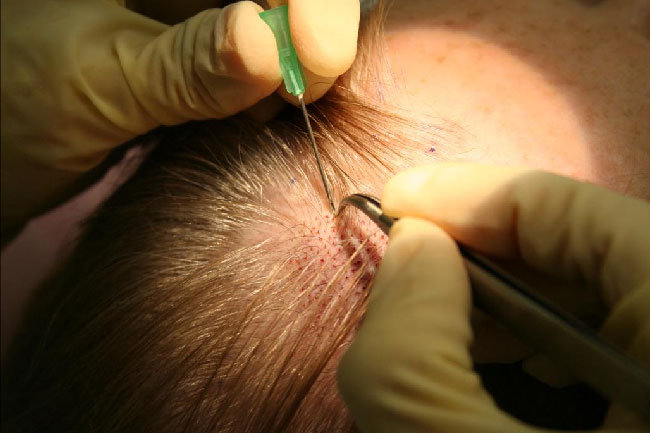
Hair loss is a common concern that can affect confidence, appearance, and quality of life. While several hair restoration techniques are available today, Follicular Unit Extraction (FUE) remains one of the most popular surgical methods for restoring thinning or receding hair. A newer approach, often described as Bio-Integrated FUE Hair Transplant, focuses on combining FUE hair transplantation with biological support to create a more favorable environment for transplanted hair follicles.
But what exactly makes Bio-Integrated FUE different from conventional FUE? Let’s explore the approach, its potential benefits, and what patients should know before considering treatment.
What Is FUE Hair Transplantation?
FUE, or Follicular Unit Extraction, is a minimally invasive hair transplant technique in which individual hair follicles are carefully extracted from a donor area—usually the back or sides of the scalp—and transplanted into areas affected by hair loss.
Unlike the traditional FUT (Follicular Unit Transplantation) technique, FUE does not require removing a strip of scalp tissue. Instead, individual follicular units are extracted using specialized instruments, which can help reduce visible scarring and generally allow for a quicker recovery.
The transplanted follicles can then grow naturally in their new location, providing long-term hair restoration when the procedure is appropriately planned and performed.
What Is Bio-Integrated FUE?
The term Bio-Integrated FUE generally refers to an enhanced hair restoration approach that combines the principles of FUE transplantation with biological or regenerative techniques designed to support the transplanted follicles.
The goal is to create a healthier environment around the transplanted grafts during the healing and growth process. Depending on the clinic and treatment protocol, biological support may involve techniques or substances such as platelet-rich plasma (PRP) or other regenerative approaches.
It is important to note that “Bio-Integrated FUE” is not a universally standardized medical procedure. Different clinics may use the term to describe different combinations of FUE and regenerative treatments. Patients should therefore ask their hair restoration specialist exactly what the treatment includes.
How Is Bio-Integrated FUE Different?
The primary difference lies in the supportive biological component added to the conventional FUE process.
Traditional FUE focuses mainly on:
- Careful extraction of individual follicular units
- Preparation of recipient sites
- Strategic placement of hair grafts
- Achieving natural-looking hair density
Bio-Integrated FUE may add regenerative or biological support with the intention of:
- Supporting the healing process
- Creating a favorable environment for transplanted follicles
- Potentially improving graft survival
- Supporting the overall quality of hair growth
- Promoting healthier scalp conditions
However, the effectiveness of these additional treatments can vary depending on the specific technique used, the patient’s condition, and the quality of the available scientific evidence.
The Importance of Graft Survival
One of the most important factors in any hair transplant is the survival of the transplanted follicular units.
During a transplant, grafts are temporarily outside the body. Their survival can be influenced by several factors, including:
- The quality of the donor follicles
- How carefully grafts are extracted
- The time grafts spend outside the body
- How grafts are stored and handled
- The technique used for implantation
- The patient’s scalp health
- Post-operative care
Bio-integrated approaches aim to optimize the conditions surrounding the grafts and scalp. The underlying idea is that supporting tissue healing and the scalp environment may contribute to a better overall transplantation process.
Potential Benefits of Bio-Integrated FUE
When performed on a suitable candidate by an experienced hair transplant team, an enhanced FUE approach may offer several potential benefits.
1. Natural-Looking Results
FUE allows individual follicular units to be placed according to the patient’s natural hair pattern. This makes it possible to carefully design the hairline and distribute grafts to achieve a natural appearance.
2. Minimally Invasive Extraction
Because individual follicles are extracted rather than removing a strip of scalp, FUE typically avoids the linear scar associated with FUT surgery.
3. Biological Support
The addition of regenerative treatments may help support the scalp environment and healing process. However, the specific benefits depend on the biological treatment used.
4. Personalized Treatment
Hair loss varies significantly from one person to another. A bio-integrated approach can potentially be tailored according to factors such as hair loss pattern, donor hair availability, scalp health, and treatment goals.
5. Long-Term Hair Restoration
Transplanted follicles are generally selected from areas of the scalp that are more resistant to androgenetic hair loss. When successful, these follicles can provide long-lasting hair growth.
Who May Be a Good Candidate?
Bio-Integrated FUE may be considered for individuals experiencing different forms of hair loss, particularly male or female pattern hair loss. However, not everyone is an ideal candidate for hair transplantation.
A suitable candidate may have:
- Stable or manageable hair loss
- Adequate donor hair density
- Sufficient scalp health
- Realistic expectations
- A hair loss pattern that can be treated effectively with transplantation
A consultation with a qualified hair restoration specialist is essential. The doctor may evaluate the patient’s hair loss history, scalp condition, donor area, family history, and future hair loss risk before recommending a treatment plan.
What Happens During the Procedure?
Although protocols vary between clinics, a typical Bio-Integrated FUE procedure may involve several stages.
Step 1: Consultation and Planning
The doctor assesses the patient’s hair loss and determines the appropriate treatment strategy. The hairline and expected coverage are carefully planned.
Step 2: Preparation of the Donor Area
The donor region is prepared, and local anesthesia is administered to help minimize discomfort during the procedure.
Step 3: Follicular Unit Extraction
Individual follicular units are carefully extracted from the donor area using specialized tools.
Step 4: Graft Preparation
The extracted grafts are examined and prepared for transplantation. Careful handling is essential to protect the delicate follicles.
Step 5: Recipient Site Creation
Tiny recipient sites are created in the areas requiring hair restoration. Their direction, angle, and distribution are important for achieving a natural-looking result.
Step 6: Graft Implantation
The follicular units are placed into the recipient areas according to the planned hairline and density.
Step 7: Biological Support
If included in the treatment protocol, a biological or regenerative treatment may be used to support the healing environment around the transplanted follicles.
Recovery After Bio-Integrated FUE
Recovery time varies from person to person. Mild redness, swelling, tenderness, or small scabs may occur during the early healing period.
Patients are generally advised to:
- Follow all post-operative instructions carefully
- Avoid scratching or rubbing the scalp
- Keep the scalp clean according to medical instructions
- Avoid strenuous activity for the recommended period
- Protect the scalp from excessive sun exposure
- Attend follow-up appointments
The transplanted hair may initially shed during the first few weeks or months. This is commonly known as shock loss or shedding, and it can be a normal part of the hair growth cycle after transplantation.
New hair growth usually takes time, with visible improvement developing gradually over several months.
Is Bio-Integrated FUE Better Than Traditional FUE?
There is no simple answer. The success of a hair transplant depends on many factors, including the surgeon’s expertise, graft handling, donor hair quality, patient selection, and aftercare.
The term “bio-integrated” may sound advanced, but patients should focus on the actual treatment protocol rather than the name alone. Ask the clinic:
- What biological treatment is being used?
- What evidence supports its use?
- Is it included in the standard FUE procedure?
- Who will perform the extraction and implantation?
- What results can realistically be expected?
- What are the potential risks and complications?
A transparent consultation can help patients understand whether the additional biological component is appropriate for their individual needs.
Final Thoughts
Bio-Integrated FUE Hair Transplant represents an approach that combines the precision of follicular unit extraction with biological or regenerative support. The goal is to optimize the environment for healing and transplanted follicle growth while achieving natural-looking hair restoration.
However, the term is not standardized across the medical field, and the exact techniques used can differ between providers. Therefore, patients should choose a qualified and experienced hair restoration specialist who can explain the procedure, expected outcomes, evidence behind any additional treatments, and possible risks.
If you’re experiencing hair loss and considering a hair transplant, a personalized medical consultation is the best first step toward understanding whether FUE or an enhanced approach is right for you.