
Gynecomastia vs Chest Fat: How to Tell the Difference
Introduction
Many men notice an increase in chest size at some point in their lives and immediately wonder whether they have gynecomastia or simply excess chest fat. While both conditions can make the chest appear larger, they are caused by different factors and often require different approaches for treatment.
Understanding the difference between gynecomastia and chest fat is essential for choosing the right solution and achieving your desired physique. In this article, we’ll explain the key differences, symptoms, causes, and treatment options to help you determine what may be affecting your chest.
What Is Gynecomastia?
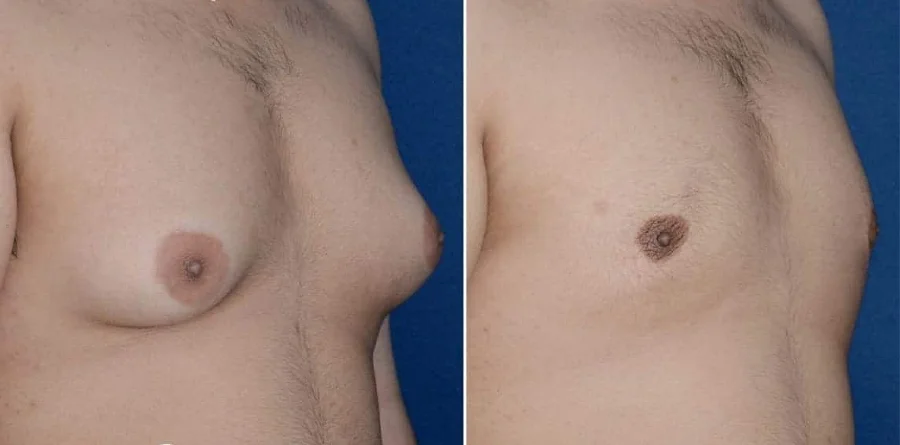
Gynecomastia is a medical condition characterized by the enlargement of male breast gland tissue. It occurs due to hormonal imbalances, particularly an increase in estrogen levels relative to testosterone.
Gynecomastia can affect one or both sides of the chest and may develop during puberty, adulthood, or later in life. It is a common condition that affects millions of men worldwide.
Common Symptoms of Gynecomastia
- Firm or rubbery tissue beneath the nipple
- Enlarged breast appearance
- Tenderness or sensitivity in the chest area
- Puffy or protruding nipples
- Uneven chest enlargement in some cases
What Is Chest Fat (Pseudogynecomastia)?
Chest fat, often referred to as pseudogynecomastia, is the accumulation of excess fat in the chest area. Unlike gynecomastia, it does not involve the growth of breast gland tissue.
This condition is typically associated with overall weight gain, obesity, or a high body fat percentage. The chest may appear soft and saggy rather than firm.
Common Symptoms of Chest Fat
- Soft, fatty chest tissue
- No firm lump beneath the nipple
- Usually associated with excess fat in other areas of the body
- Chest size decreases with weight loss
- Minimal or no nipple tenderness
Gynecomastia vs Chest Fat: Key Differences
| Feature | Gynecomastia | Chest Fat |
|---|---|---|
| Tissue Type | Enlarged glandular tissue | Excess fat deposits |
| Feel | Firm or rubbery | Soft and squishy |
| Location | Directly under the nipple | Spread throughout the chest |
| Pain or Tenderness | Often present | Rare |
| Cause | Hormonal imbalance | Weight gain and excess body fat |
| Response to Weight Loss | Usually limited | Often improves significantly |
How to Check at Home
Although a medical diagnosis is the most accurate option, there are a few ways to identify potential differences at home.
The Pinch Test
Gently pinch the tissue around the nipple area.
- If you feel a firm, rubbery disc beneath the nipple, gynecomastia may be present.
- If the tissue feels soft and fatty throughout, chest fat is more likely.
Assess Your Overall Body Fat
If you carry excess fat around the abdomen, waist, thighs, and chest, pseudogynecomastia may be the primary issue. However, it is possible to have both chest fat and gynecomastia simultaneously.
Monitor Changes with Weight Loss
If your chest shrinks significantly as you lose weight, the enlargement was likely caused primarily by fat. If the chest remains enlarged despite substantial fat loss, glandular tissue may be involved.
Causes of Gynecomastia
Several factors can contribute to gynecomastia, including:
- Hormonal changes during puberty
- Aging-related testosterone decline
- Certain medications
- Anabolic steroid use
- Liver or kidney disease
- Thyroid disorders
- Excessive alcohol consumption
- Recreational drug use
Causes of Chest Fat
Chest fat is generally linked to lifestyle and body composition factors such as:
- Calorie surplus
- Lack of physical activity
- Obesity
- Poor dietary habits
- Genetic fat distribution patterns
Treatment Options
Treating Chest Fat
For chest fat, lifestyle changes are usually the most effective solution:
- Maintain a calorie-controlled diet
- Perform regular cardiovascular exercise
- Strength train consistently
- Reduce overall body fat percentage
- Focus on long-term weight management
Treating Gynecomastia
Treatment depends on the underlying cause:
- Hormonal evaluation by a healthcare professional
- Medication adjustments if necessary
- Treatment of underlying medical conditions
- Surgical removal of glandular tissue in persistent cases
When to See a Doctor
Consult a healthcare professional if you experience:
- Rapid breast enlargement
- Significant pain or tenderness
- Nipple discharge
- A hard, immovable lump
- Persistent chest enlargement despite weight loss
A physician can perform a physical examination and, if needed, order imaging or hormone tests to confirm the diagnosis.
Conclusion
While gynecomastia and chest fat may appear similar, they are fundamentally different conditions. Gynecomastia involves the growth of breast gland tissue due to hormonal changes, while chest fat results from excess fat accumulation. The texture of the tissue, its location, and how it responds to weight loss are often the biggest clues.
If you’re unsure which condition you have, seeking professional medical advice can provide clarity and help you choose the most effective treatment path. Understanding the difference is the first step toward achieving a healthier and more confident appearance.