Top Benefits of Rhinoplasty
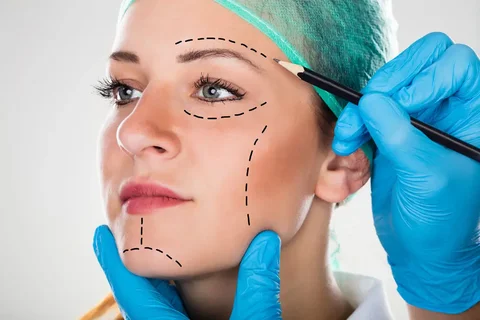
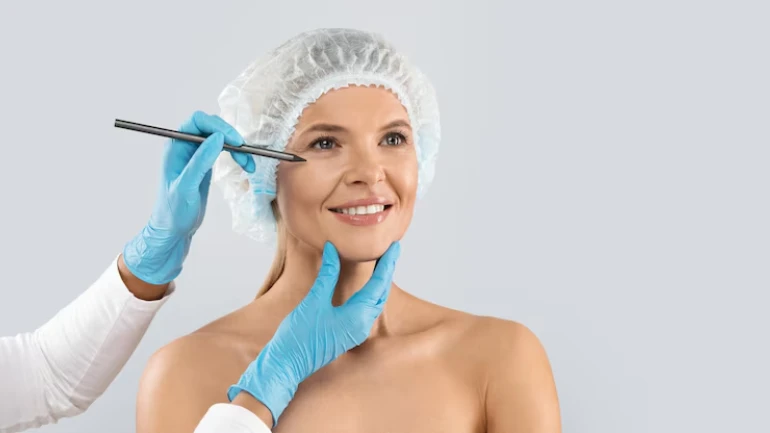
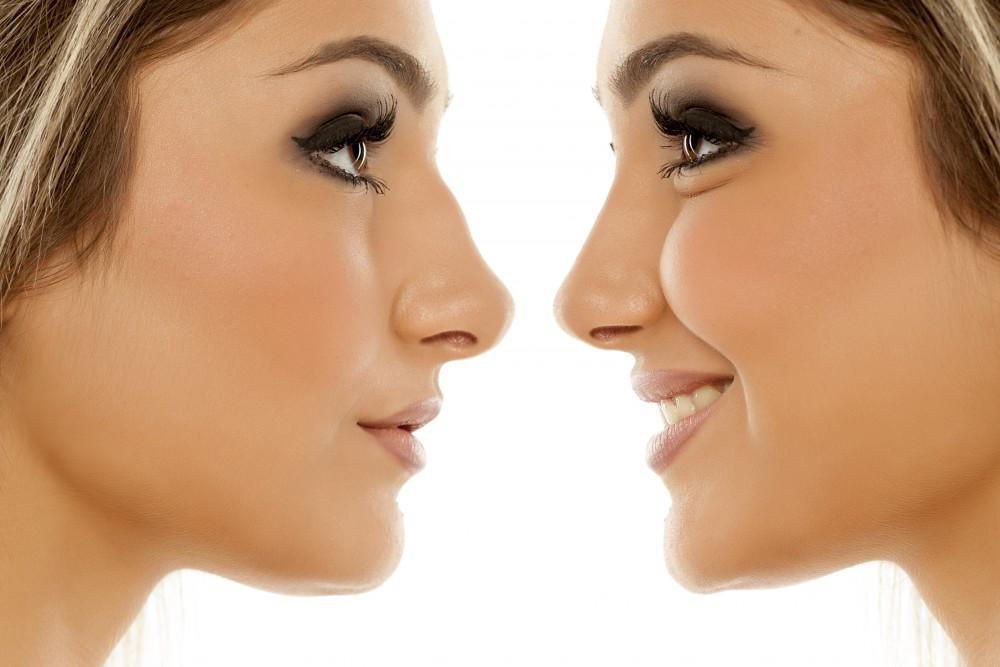
Top Benefits of Rhinoplasty Rhinoplasty, commonly known as a nose job, is one of the most popular cosmetic and reconstructive surgical procedures worldwide. While many people choose rhinoplasty to improve the appearance of their nose, the procedure also offers several functional and medical benefits. Whether you’re looking to enhance your facial features or correct breathing difficulties, rhinoplasty can significantly improve your quality of life. In this article, we’ll explore the top benefits of rhinoplasty and why it may be the right choice for you. 1. Enhances Facial Harmony The nose is the central feature of the face. Even small changes to its shape or size can create a more balanced and attractive appearance. Rhinoplasty can help: A well-balanced nose complements your natural facial features rather than drawing unnecessary attention. 2. Improves Breathing Many individuals suffer from breathing problems due to structural issues such as: Functional rhinoplasty can correct these issues, allowing for better airflow, improved sleep quality, and easier breathing during daily activities. 3. Boosts Self-Confidence Feeling self-conscious about the appearance of your nose can affect your confidence in social and professional situations. Many patients report: The goal is not to create a “perfect” nose but one that suits your unique facial structure. 4. Corrects Birth Defects Some people are born with nasal deformities that affect both appearance and function. Rhinoplasty can correct: These corrections can improve both aesthetics and breathing. 5. Repairs Nasal Injuries Sports injuries, accidents, or trauma can lead to: Rhinoplasty restores the nose’s appearance while also repairing damaged internal structures. 6. Creates Long-Lasting Results Unlike temporary cosmetic treatments, rhinoplasty provides permanent structural improvements. Once healing is complete, the results can last a lifetime, making it a worthwhile investment for many patients. 7. Improves Sleep Quality When nasal obstruction is corrected, patients often experience: Improved breathing contributes to better overall health and daily energy levels. 8. Customised for Every Individual No two noses—or faces—are alike. Modern rhinoplasty is carefully planned to: A personalised approach ensures results that look balanced and authentic. 9. Helps Correct Previous Nose Surgery Some patients are unhappy with the results of an earlier nose surgery or experience functional issues afterward. Revision rhinoplasty can: This procedure requires specialized expertise and careful planning. 10. Improves Overall Quality of Life The combined benefits of improved appearance, better breathing, enhanced confidence, and increased comfort can positively impact many aspects of everyday life. Many patients find themselves feeling more comfortable during social interactions, work, travel, exercise, and other daily activities after recovery. Who Is a Good Candidate for Rhinoplasty? You may be a good candidate if you: A consultation with a qualified plastic surgeon is the best way to determine whether rhinoplasty is suitable for your needs. Recovery After Rhinoplasty Recovery varies from person to person, but generally: Following your surgeon’s post-operative instructions is essential for optimal healing. Conclusion Rhinoplasty is much more than a cosmetic enhancement. It can improve facial balance, restore proper breathing, repair injuries, and significantly boost confidence. With advances in surgical techniques, modern rhinoplasty focuses on creating natural-looking results that complement your unique facial features while maintaining functionality.