
Can Men Get Rhinoplasty? Male Nose Surgery Explained
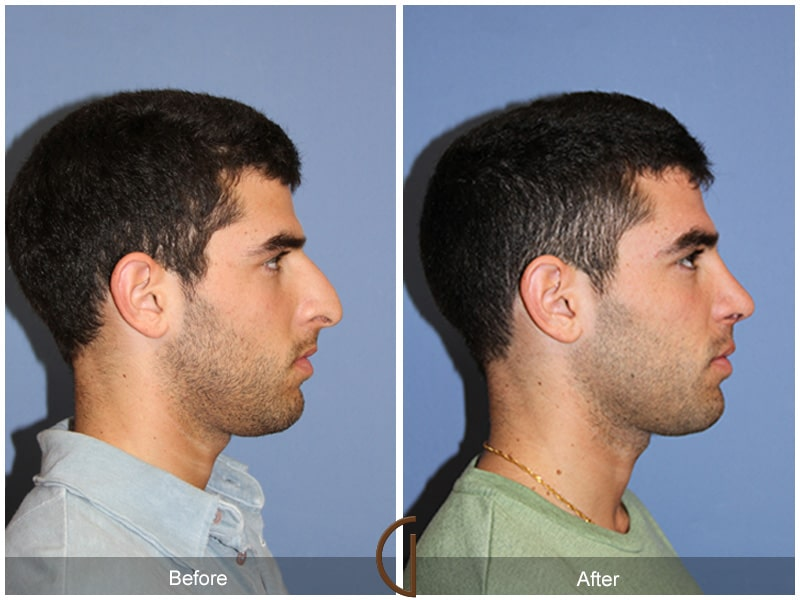
Rhinoplasty, commonly known as a nose job, is not only for women. Men can also undergo rhinoplasty to improve the appearance, proportions, and function of the nose. In fact, male rhinoplasty is carefully planned around the individual’s facial structure and aesthetic goals, with particular attention to maintaining a natural and masculine appearance.
Whether you are unhappy with the shape of your nose, have a nasal hump, experienced an injury, or have difficulty breathing, rhinoplasty may be an option worth discussing with a qualified plastic surgeon.
What Is Male Rhinoplasty?
Male rhinoplasty is a surgical procedure designed to reshape or reconstruct the nose. It can address both cosmetic concerns and functional problems.
According to the American Society of Plastic Surgeons, rhinoplasty may be used to improve nose size, width, profile, nasal tip shape, nostril appearance, and asymmetry. It can also be performed to address breathing difficulties caused by structural problems.
For men, the goal is generally not to create a dramatically different nose. Instead, the surgeon aims to create better facial balance while preserving features that complement the patient’s overall appearance.
Why Do Men Choose Rhinoplasty?
Men may consider rhinoplasty for several different reasons, including:
- A prominent nasal hump
- A nose that appears too large or wide
- A crooked or asymmetrical nose
- An overly prominent or drooping nasal tip
- Wide or uneven nostrils
- Nasal deformity following an injury
- Difficulty breathing through the nose
- A deviated septum
- Dissatisfaction with the overall proportions of the nose
Rhinoplasty can therefore be both cosmetic and functional. When breathing problems are related to a deviated septum, septoplasty may sometimes be performed along with rhinoplasty.
Is Male Rhinoplasty Different From Female Rhinoplasty?
The basic surgical principles of rhinoplasty are similar, but the desired aesthetic outcome may differ.
Men often prefer a nose that looks strong, straight, proportionate, and natural rather than excessively refined. The surgeon considers factors such as the patient’s facial proportions, nasal structure, skin characteristics, and personal goals.
The American Society of Plastic Surgeons notes that male plastic surgery planning may take factors such as skin thickness, facial structure, and other individual characteristics into consideration.
Importantly, there is no single “male nose.” Every patient’s anatomy is different, so rhinoplasty should be customized rather than based on a standard template.
What Can Male Rhinoplasty Correct?
Depending on the patient’s anatomy and goals, rhinoplasty may address:
1. Nasal Hump
A bump or hump on the bridge of the nose can make the profile appear prominent. Surgical reshaping can reduce the hump while maintaining appropriate structural support.
2. Wide Nose
Some men feel that their nose appears too broad in relation to the rest of their face. Rhinoplasty can be used to modify the width of the bridge or nostrils when appropriate.
3. Crooked Nose
A crooked nose may be caused by natural anatomy, previous trauma, or a deviated septum. Rhinoplasty can sometimes improve both the external appearance and nasal function.
4. Nasal Tip
The tip may be overly large, bulbous, drooping, or otherwise disproportionate. Surgical refinement can improve its shape while maintaining a natural appearance.
5. Breathing Problems
Rhinoplasty isn’t exclusively cosmetic. Structural changes to the nose may help address certain breathing problems. A detailed assessment is important before surgery because nasal airflow depends on several anatomical structures.
What Makes a Good Candidate for Male Rhinoplasty?
A suitable candidate is generally someone who:
- Is physically healthy enough for surgery
- Has realistic expectations
- Understands the potential benefits and limitations
- Is bothered by the appearance or function of their nose
- Has completed facial growth
- Is prepared to follow postoperative instructions
During consultation, the surgeon will evaluate the nasal structure, skin, facial proportions, breathing, medical history, and the patient’s desired outcome.
The consultation is particularly important because rhinoplasty is highly individualized. Even relatively small changes to the nose can influence the overall appearance of the face.
How Is Male Rhinoplasty Performed?
The exact technique depends on the patient’s anatomy and the changes required.
Rhinoplasty may involve reshaping the:
- Nasal bones
- Cartilage
- Nasal tip
- Nasal bridge
- Nostrils
- Septum
- Other supporting structures of the nose
The procedure may be performed using an open or closed rhinoplasty approach, depending on the surgical plan.
The surgeon’s objective is not simply to make the nose smaller. In many cases, the goal is to create a nose that is appropriately proportioned and harmonizes with the rest of the face.
What Is Recovery Like After Male Rhinoplasty?
Recovery varies from person to person.
Swelling and bruising are common during the early recovery period. Many patients can return to work or routine activities after approximately a week, although this depends on the nature of the surgery and the individual’s recovery. Mayo Clinic notes that swelling can continue to improve for several months, while more complete healing takes longer.
Your surgeon may recommend avoiding strenuous activities for a period of time and following specific instructions regarding sleeping position, medications, wound care, and protecting the nose from accidental impact.
Patience is important because the final appearance of the nose may not be immediately visible after surgery.
Is Rhinoplasty Safe for Men?
Rhinoplasty is a major surgical procedure and, like any surgery, carries potential risks.
Possible risks include:
- Bleeding
- Infection
- Anesthesia-related complications
- Persistent swelling
- Numbness
- Nasal asymmetry
- Breathing difficulties
- Scarring
- Changes in the sense of smell
- The possibility of requiring additional surgery
These risks vary depending on the individual and the complexity of the procedure. A qualified surgeon should discuss the potential benefits, limitations, and risks with you before surgery.
Will Male Rhinoplasty Make the Nose Look Feminine?
This is a common concern among male patients.
A well-planned male rhinoplasty should take the patient’s facial structure and aesthetic goals into account. Rather than simply making the nose smaller or more delicate, the surgeon can focus on proportion, structural support, profile, projection, and facial harmony.
Recent discussion from the American Society of Plastic Surgeons highlights that male rhinoplasty commonly emphasizes a relatively straighter nasal appearance while considering the differences in male facial anatomy.
The goal should be a natural-looking result that fits the individual’s face—not a generic “perfect nose.”
Can Rhinoplasty Improve Breathing and Appearance at the Same Time?
Yes, in selected patients, rhinoplasty can address both aesthetic and functional concerns.
For example, someone may have a crooked nose externally while also having a deviated septum affecting airflow. In such cases, rhinoplasty may be combined with septoplasty when medically appropriate.
A proper examination is necessary to determine whether cosmetic rhinoplasty, functional nasal surgery, or a combination of procedures is appropriate.
What Should Men Ask During a Rhinoplasty Consultation?
Before choosing surgery, consider asking your surgeon:
- What changes are realistic for my nose?
- How will the proposed changes affect my facial proportions?
- Will the procedure address any breathing problems?
- Which rhinoplasty technique do you recommend and why?
- What will recovery involve?
- What complications should I be aware of?
- Can I see before-and-after results of patients with similar nasal anatomy?
- What happens if revision surgery is required?
It is also important to choose a properly qualified and experienced surgeon who regularly performs rhinoplasty.
Final Thoughts
Yes, men can absolutely get rhinoplasty. Male rhinoplasty can improve the appearance and proportions of the nose while, in appropriate cases, also addressing functional problems such as impaired nasal breathing.
The key is individualized surgical planning. A successful result is not necessarily about creating a smaller or dramatically different nose—it is about creating a nose that looks natural, balanced, and appropriate for the patient’s face.
If you are considering male rhinoplasty, schedule a consultation with a qualified plastic surgeon to discuss your concerns, expectations, and available treatment options.