Can Rhinoplasty Fix a Deviated Septum and Improve Breathing?
A deviated septum is a common structural problem that occurs when the wall of cartilage and bone separating the two nasal passages is displaced or crooked. While a mild deviation may cause no symptoms, a more significant deviation can make it difficult to breathe through the nose, particularly on one side. It may also contribute to nasal congestion, snoring, nosebleeds and other breathing-related problems.
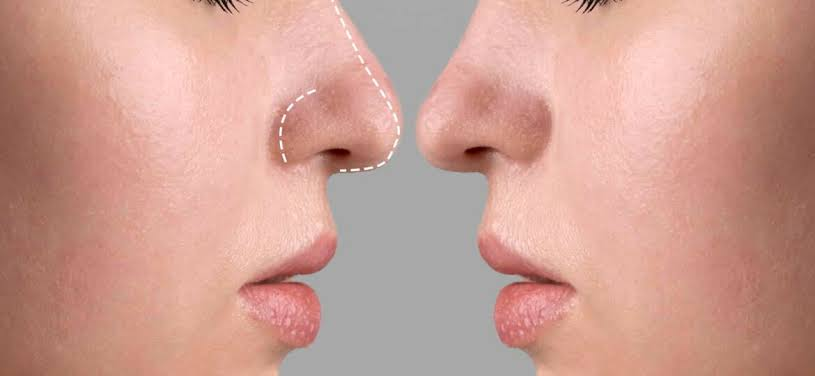
This often leads to an important question: Can rhinoplasty fix a deviated septum and improve breathing?
The answer is yes, in some cases—but rhinoplasty and septoplasty serve different purposes. Understanding the difference can help you choose the right treatment.
What Is a Deviated Septum?
The nasal septum is the structure inside the nose that separates the left and right nasal passages. Ideally, it is relatively straight and allows air to flow freely through both sides.
When the septum bends or shifts toward one side, it is called a deviated septum. Some people are born with this condition, while others develop it following an injury, such as a broken nose.
A deviated septum does not always require treatment. However, if it significantly blocks airflow, it may cause symptoms such as:
- Difficulty breathing through the nose
- Persistent nasal congestion
- Breathing that is worse on one side
- Snoring or noisy breathing
- Frequent nosebleeds
- Headaches or facial discomfort
- Reduced sense of smell
If nasal obstruction is affecting sleep, exercise or everyday activities, a specialist evaluation can help determine whether the septum is responsible.
Can Rhinoplasty Correct a Deviated Septum?
Rhinoplasty can be part of the treatment for a deviated septum, but rhinoplasty alone is not usually the procedure used to straighten the septum.
Septoplasty is specifically designed to correct the internal nasal septum. During septoplasty, the surgeon reshapes or repositions the deviated cartilage and bone to improve the nasal airway.
Rhinoplasty, on the other hand, focuses primarily on reshaping the external structure of the nose. It can address concerns such as a crooked appearance, nasal hump, tip shape or overall facial balance.
When a patient has both breathing problems and concerns about the appearance or external structure of the nose, the two procedures may be performed together. This combined approach is commonly called septorhinoplasty.
Rhinoplasty vs. Septoplasty: What Is the Difference?
Although the procedures may be performed together, they have different goals.
Septoplasty
The primary goal of septoplasty is to improve nasal airflow by correcting the deviated septum.
It focuses on the internal structures of the nose and generally does not aim to change the external appearance of the nose.
Rhinoplasty
Rhinoplasty reshapes the nose and can be performed for cosmetic, functional or both cosmetic and functional reasons.
Functional rhinoplasty may be considered when structural problems are contributing to difficulty breathing.
Septorhinoplasty
When both internal and external nasal structures need to be addressed, a surgeon may recommend septorhinoplasty. This can allow the surgeon to work on the deviated septum while also improving the external structure of the nose.
How Can Surgery Improve Breathing?
A deviated septum can narrow one side of the nasal airway. Correcting the structural blockage can create more space for air to pass through the nasal passages.
Septoplasty is specifically intended to improve airflow and may make nasal breathing easier.
However, not every case of nasal obstruction is caused by a deviated septum. Allergies, swollen turbinates, nasal valve problems and other conditions can also affect airflow. Therefore, identifying the actual cause of breathing difficulty is an important part of treatment planning.
Who May Benefit From Septorhinoplasty?
A consultation with a qualified surgeon may be appropriate if you have:
- Persistent difficulty breathing through your nose
- A visibly crooked or injured nose
- A diagnosed deviated septum
- Nasal blockage that affects sleep or physical activity
- Both functional breathing concerns and cosmetic concerns
- Breathing problems following a previous nasal injury or surgery
The surgeon will assess your nasal structure, breathing symptoms, medical history and treatment goals before recommending an appropriate procedure.
What Happens During the Evaluation?
During a consultation, your surgeon may examine both the external appearance and internal structures of your nose.
Depending on your symptoms, the evaluation may include a physical examination, nasal endoscopy or imaging such as a CT scan.
This assessment helps determine whether the problem is caused by the septum or by another part of the nasal airway.
What Is Recovery Like?
Recovery varies depending on whether you undergo septoplasty, rhinoplasty or a combination of procedures.
After septoplasty, initial recovery commonly takes around one to two weeks, although complete healing can take several months.
Rhinoplasty generally involves a longer healing process. Swelling can continue to decrease gradually over several months, and the final nasal shape may take up to a year to fully settle.
Your surgeon will provide specific instructions regarding exercise, nose blowing, sleeping position, medications and follow-up appointments.
Are There Risks?
Like any surgical procedure, nasal surgery carries potential risks. These can include bleeding, infection, changes in smell, scarring, septal perforation, persistent symptoms or the need for additional surgery.
The risks and expected results vary from person to person, which is why an individual consultation is important.
Can Improving the Nose Also Improve Quality of Life?
For people whose nasal obstruction affects sleep, exercise or everyday activities, improving nasal airflow can make a meaningful difference.
However, surgery should be recommended based on the underlying cause of the breathing problem—not simply because a person has a deviated septum. A thorough evaluation can help determine whether septoplasty, functional rhinoplasty, medication or another treatment is most appropriate.
Final Thoughts
Rhinoplasty can help improve breathing when structural problems in the nose are contributing to nasal obstruction, but a deviated septum is specifically treated with septoplasty. When both the internal septum and external nasal structure require correction, septorhinoplasty may be considered.
If you regularly struggle to breathe through your nose, especially if the problem is worse on one side, don’t assume that congestion is the only cause. A consultation with a qualified ENT or plastic surgeon can help identify the underlying problem and determine the most suitable treatment.
Better breathing and a balanced nasal appearance can sometimes be addressed together—but the right procedure depends on your individual nasal anatomy and goals.