
How Many Sessions of PRP Do I Need for Hair Loss?
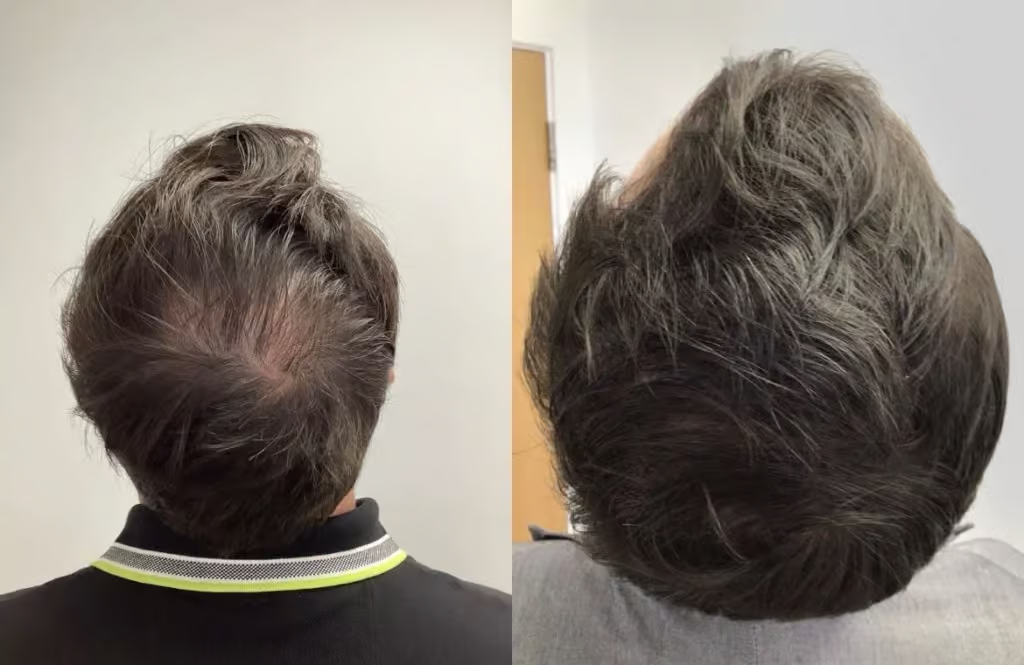
Hair loss can be frustrating, especially when you start noticing thinning hair, a widening hairline, or increased hair fall while combing or washing your hair. Platelet-Rich Plasma (PRP) therapy has become a popular non-surgical treatment option for certain types of hair loss, particularly androgenetic alopecia, also known as male or female pattern hair loss.
One of the most common questions patients ask is: How many PRP sessions are needed for hair loss?
The answer depends on several factors, including the cause of hair loss, the stage of hair thinning, the health of your hair follicles, and how you respond to treatment. However, many treatment protocols recommend an initial course of 3–5 PRP sessions, generally spaced about 4 weeks apart.
What Is PRP Hair Treatment?
PRP, or Platelet-Rich Plasma, is a treatment that uses components of your own blood to support hair growth.
During the procedure, a small amount of blood is collected and processed to separate platelet-rich plasma. The concentrated plasma is then injected into areas of the scalp affected by thinning or hair loss.
Platelets contain growth factors that may support tissue repair and influence the hair follicle environment. Research suggests that PRP may help improve hair density in people with androgenetic alopecia, although treatment protocols and results vary between studies.
How Many PRP Sessions Are Usually Needed?
For many patients, PRP is performed as a series rather than a single treatment.
A commonly used initial treatment plan is:
- Session 1: Initial PRP treatment
- Session 2: Approximately 4 weeks later
- Session 3: Approximately 4 weeks later
- Session 4–5: Additional sessions if recommended by the treating doctor
Indian dermatology consensus recommendations have suggested 3–5 sessions with approximately one month between sessions for androgenetic alopecia.
However, there is no universal PRP schedule that works for everyone. Your doctor may recommend fewer or additional sessions depending on your individual condition.
Why Are Multiple PRP Sessions Necessary?
Hair follicles have a natural growth cycle, so hair growth does not happen immediately after one PRP session.
PRP works as a treatment course, and repeated sessions may provide continued stimulation to the scalp and hair follicles.
Clinical studies have reported improvements in hair density following PRP treatment, but the evidence is not completely uniform. A 2024 systematic review found potential benefits for androgenetic alopecia while also noting differences in treatment methods and study quality.
This is why it is important to think of PRP as a process rather than a one-time procedure.
When Can You Expect to See Results?
PRP does not produce instant hair growth.
Some patients may notice reduced hair shedding within a few months, followed by gradual improvement in hair thickness or density. The American Academy of Dermatology notes that PRP may help lessen hair loss within a few months, with some patients later noticing thicker hair or regrowth.
Your results can depend on:
- The cause of your hair loss
- How advanced the hair loss is
- The condition of your hair follicles
- Your age and overall health
- The PRP preparation and treatment protocol
- Whether PRP is combined with other treatments
- Your individual response to treatment
Do I Need Maintenance PRP Sessions?
In some cases, yes.
After completing the initial series, your doctor may recommend maintenance sessions depending on your response and whether hair loss continues.
The American Academy of Dermatology describes a maintenance approach in which patients may receive PRP approximately every 3–6 months after the initial monthly treatments.
However, maintenance treatment should be individualized rather than automatically scheduled for every patient.
Is One PRP Session Enough?
Usually, one session is not considered the complete treatment course for pattern hair loss.
While some patients may notice changes after an early session, multiple sessions are generally used because hair growth is gradual. Research reviews have found that many PRP studies used repeated treatments, often with several weeks between sessions.
Therefore, expecting significant regrowth after just one session may lead to unrealistic expectations.
Who May Benefit From PRP for Hair Loss?
PRP is primarily studied for androgenetic alopecia, commonly known as male or female pattern hair loss.
It may be considered when hair follicles are still present but producing progressively thinner hairs. Earlier intervention may be more useful than waiting until extensive hair loss has occurred.
A proper diagnosis is important because not every type of hair loss should be treated with PRP.
Hair loss can also result from nutritional deficiencies, thyroid problems, hormonal changes, certain medications, autoimmune conditions, stress, or scalp disorders. Treating the underlying cause may be more important than simply starting PRP.
Can PRP Be Combined With Other Hair-Loss Treatments?
In some patients, doctors may combine PRP with other evidence-based treatments.
For example, research has investigated PRP alongside topical minoxidil for androgenetic alopecia. A systematic review and meta-analysis found that combination treatment showed better hair-density outcomes than minoxidil alone in the included trials, although the quality and risk of bias of the underlying studies varied.
Your dermatologist or hair-restoration specialist can determine whether combination treatment is appropriate for you.
What Happens During a PRP Session?
A typical PRP hair treatment involves several steps:
1. Blood Collection
A small amount of blood is drawn from your arm.
2. PRP Preparation
The blood is processed in a centrifuge to separate the platelet-rich plasma from other blood components.
3. Scalp Preparation
The treatment area is cleaned, and a local numbing method may be used depending on the treatment protocol.
4. PRP Injection
The prepared PRP is carefully injected into areas of the scalp experiencing thinning.
The procedure is generally performed as an outpatient treatment, and patients can usually return home afterward.
Are PRP Treatments Safe?
PRP uses a patient’s own blood, and studies have generally reported a favorable safety profile.
Temporary effects such as pain, redness, swelling, or tenderness at injection sites can occur. Serious complications are uncommon when the procedure is performed appropriately.
As with any medical procedure, PRP should be performed by a qualified healthcare professional using appropriate sterile techniques.
What If PRP Doesn’t Work for Me?
PRP does not guarantee hair regrowth for every patient.
Recent research supports a potential benefit for hair density, but studies have also highlighted substantial differences in PRP preparation, injection techniques, treatment schedules, and patient characteristics.
If you do not respond adequately, your doctor may reassess the diagnosis and consider other options, such as medications, combination therapy, or hair transplantation when appropriate.
Frequently Asked Questions
How many PRP sessions are needed for hair loss?
Many treatment protocols use 3–5 initial sessions, usually about one month apart. The exact number depends on the patient’s hair-loss pattern and response to treatment.
How long should I wait between PRP sessions?
A commonly used interval is approximately 4 weeks between sessions.
When will I see results from PRP?
Hair improvement is gradual. Some patients may notice reduced shedding within a few months, followed by gradual changes in hair thickness or density.
Can PRP completely cure baldness?
PRP should not be considered a guaranteed cure for baldness. Its effectiveness depends on the cause and stage of hair loss, and results vary from person to person.
Do PRP results last permanently?
Not necessarily. Some patients may require maintenance treatments, particularly when the underlying cause of hair loss continues.
Final Thoughts
PRP can be a useful non-surgical option for selected patients with hair loss, particularly androgenetic alopecia. A typical initial course may involve 3–5 sessions spaced about four weeks apart, followed by evaluation and, when appropriate, maintenance treatments.
However, the most important step is identifying why you are losing hair in the first place. A personalized evaluation by a qualified dermatologist or hair-restoration specialist can help determine whether PRP is appropriate and how many sessions you may actually need.
If you are experiencing persistent hair loss or thinning, don’t wait until significant hair loss occurs. Early assessment can help identify the cause and give you more treatment options.