Rhinoplasty: What to Expect from Consultation to Final Results
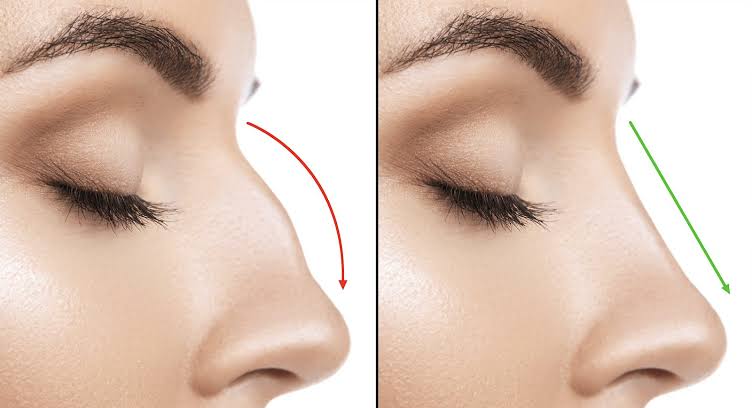
Rhinoplasty, commonly known as a nose job, is a surgical procedure designed to reshape the nose, improve facial balance, and, in some cases, address breathing difficulties. Whether you want to correct a nasal hump, refine the tip of your nose, improve symmetry, or address structural concerns, rhinoplasty can help you achieve results that complement your facial features.
However, rhinoplasty is not just about changing the appearance of the nose. It involves careful planning, an understanding of facial anatomy, and a recovery process that requires patience. Knowing what to expect at every stage can help you feel more confident and prepared for your procedure.
What Is Rhinoplasty?
Rhinoplasty is a surgical procedure that changes the shape, size, or structure of the nose. Depending on your needs, it may be performed for cosmetic reasons, functional improvements, or both.
Common reasons people consider rhinoplasty include:
- Nasal hump correction: Smoothing a prominent bump on the bridge of the nose.
- Nose tip refinement: Improving the shape, projection, or definition of the nasal tip.
- Nasal symmetry: Addressing visible irregularities or asymmetry.
- Nose size adjustment: Modifying the size or proportions of the nose to complement the face.
- Breathing improvement: Correcting certain structural problems that obstruct airflow.
The right approach depends on your facial anatomy, nasal structure, breathing function, and personal goals.
1. The Initial Rhinoplasty Consultation
The first step toward rhinoplasty is a detailed consultation with a qualified plastic surgeon or facial plastic surgeon. This appointment helps determine whether the procedure is suitable for you and what results may realistically be achievable.
What Happens During the Consultation?
Discussion of your goals: You will explain what you would like to change about your nose, such as a nasal hump, a broad tip, or asymmetry.
Examination of your nose: The surgeon will assess your nasal bones, cartilage, skin thickness, facial proportions, and overall nasal structure.
Breathing assessment: If you experience nasal blockage or breathing difficulties, the surgeon may evaluate your nasal septum and internal nasal passages.
Medical history review: Your medical conditions, medications, allergies, previous nasal surgeries, and other relevant factors will be discussed.
Understanding possible outcomes: Your surgeon will explain the potential benefits, limitations, risks, and expected recovery timeline.
This consultation is also your opportunity to ask questions and discuss any concerns. Clear communication helps establish realistic expectations before moving forward.
2. Preparing for Rhinoplasty Surgery
Once you and your surgeon decide that rhinoplasty is appropriate, the next step is preparation.
Your surgeon will provide personalised instructions based on your health and the planned procedure. These may include:
- Reviewing or adjusting certain medications under medical supervision.
- Avoiding smoking and nicotine products for the period recommended by your surgeon.
- Following instructions about eating and drinking before surgery.
- Arranging transportation home and assistance during the initial recovery period.
- Completing any required medical assessments or tests.
You may also discuss the surgical technique, anaesthesia, expected costs, time away from work, and follow-up appointments.
Preparation is important because it helps reduce avoidable risks and supports a smoother recovery.
3. What Happens During Rhinoplasty Surgery?
Rhinoplasty is generally performed under anaesthesia, with the choice depending on the procedure and the patient’s circumstances.
The surgeon reshapes the underlying bone and cartilage to achieve the planned changes. In some cases, cartilage may need to be repositioned or added to provide support and improve contour.
There are two common surgical approaches:
Open Rhinoplasty
In open rhinoplasty, a small incision is made across the columella, the tissue between the nostrils, along with incisions inside the nose. This provides greater visibility of the underlying nasal structures and may be useful for complex reshaping.
Closed Rhinoplasty
In closed rhinoplasty, incisions are made inside the nostrils. This approach avoids an external columellar incision and may be suitable for selected cases.
Neither approach is automatically better for every patient. The choice depends on the changes required, nasal anatomy, and the surgeon’s assessment.
The duration of surgery varies according to its complexity and whether functional corrections are also needed.
4. The First Few Days After Rhinoplasty
The initial recovery period is when swelling, bruising, and nasal congestion are often most noticeable. These effects are expected after surgery, although their severity varies from person to person.
You may experience:
- Swelling around the nose and sometimes beneath the eyes.
- Bruising around the cheeks or eyelids.
- Mild discomfort or tenderness.
- Temporary difficulty breathing through the nose because of swelling or internal dressings.
- A nasal splint to protect and support the nose.
Your surgeon may recommend keeping your head elevated, using prescribed medication, avoiding strenuous activity, and following specific nasal-care instructions.
Do not blow your nose or manipulate the surgical area unless your surgeon has advised that it is safe. Attend scheduled follow-up visits so your healing can be monitored.
Contact your surgical team promptly if you experience severe or increasing pain, heavy bleeding, fever, vision changes, or other concerning symptoms. Seek urgent medical care for serious symptoms.
5. Rhinoplasty Recovery: Week by Week
Recovery is gradual, and the timeline differs depending on the surgical technique, extent of correction, and individual healing.
First Week
Swelling and bruising are usually most noticeable during this period. A splint, if used, is often removed around the end of the first week, depending on your surgeon’s instructions. You may begin to see the initial shape of your nose, but it will not represent the final result.
Weeks Two to Four
Many patients notice that bruising has significantly improved and swelling is gradually decreasing. Some people can return to non-strenuous work or daily activities, depending on their recovery and the surgeon’s advice.
Avoid contact sports, heavy exercise, and activities that could injure the nose until you are cleared to resume them.
One to Three Months
The nose generally becomes more defined as swelling continues to settle. However, subtle swelling, particularly around the tip, may remain.
Your surgeon will assess your progress and advise when you can safely resume different activities.
Six to Twelve Months and Beyond
Much of the visible swelling usually improves over time, but the nose can continue to change subtly as the tissues heal. In some patients, especially those with thicker skin or more complex surgery, refinement may take longer than a year.
It is important not to judge the final outcome too early.
6. Understanding Your Final Rhinoplasty Results
One of the most important things to understand about rhinoplasty is that the final result takes time.
As swelling decreases, the contours of the nose become clearer. The bridge, tip, and overall proportions may gradually appear more refined. The aim is generally to create a nose that looks balanced with the rest of your face while preserving or improving nasal function when required.
Your final result depends on several factors, including:
- Your original nasal anatomy and skin thickness.
- The surgical technique and extent of correction.
- The body’s natural healing process.
- Following postoperative instructions.
- The complexity of the procedure and any previous nasal surgery.
Although surgeons plan carefully, no procedure can guarantee perfect symmetry or an exact result. Before surgery, discuss what is realistically achievable in your individual case.
7. Potential Risks and Complications of Rhinoplasty
Like any surgery, rhinoplasty carries potential risks. These may include bleeding, infection, anaesthesia-related complications, prolonged swelling, scarring, changes in sensation, persistent asymmetry, dissatisfaction with appearance, or ongoing or worsened breathing difficulties.
Some patients may require revision surgery, although further surgery cannot guarantee a perfect outcome and carries its own risks.
Choosing an appropriately qualified and experienced surgeon, understanding the limitations of surgery, and following postoperative guidance can help you make an informed decision.
8. How to Choose the Right Rhinoplasty Surgeon
Choosing your surgeon is one of the most important decisions in the rhinoplasty process.
Consider the following before proceeding:
- Qualifications: Verify the surgeon’s recognised specialist qualifications and registration.
- Relevant experience: Ask about their experience with procedures similar to the correction you need.
- Before-and-after photographs: Review examples of previous patients with comparable nasal features, where available and shared with appropriate consent.
- Clear communication: Choose a surgeon who listens to your concerns and explains realistic outcomes.
- Safety and follow-up: Understand the surgical facility, anaesthesia arrangements, emergency support, and postoperative care.
- Transparent costs: Request a clear explanation of the procedure fee, anaesthesia, facility charges, medications, and follow-up expenses.
A good consultation should help you understand both the potential benefits and the limitations of rhinoplasty.
Frequently Asked Questions About Rhinoplasty
Is rhinoplasty painful?
Patients may experience discomfort, tenderness, congestion, and pressure after surgery. Pain levels vary, and prescribed medication or other recommended measures can help manage symptoms.
How long does it take to see rhinoplasty results?
Initial changes may be visible within the first few weeks as bruising and swelling decrease. More refined results develop over several months, and final healing commonly takes around 12 months or longer.
Will rhinoplasty leave a visible scar?
Closed rhinoplasty uses incisions inside the nostrils, so there is generally no external incision. Open rhinoplasty involves a small incision across the columella, which usually heals to become less noticeable over time.
Can rhinoplasty improve breathing?
It can improve breathing when structural problems are contributing to nasal obstruction. Depending on the cause, a procedure such as septoplasty may be performed alongside rhinoplasty. Cosmetic rhinoplasty alone does not guarantee improved breathing.
Can I return to work after rhinoplasty?
Some patients return to desk-based work within one to two weeks, depending on swelling, bruising, comfort, and their surgeon’s recommendations. Physically demanding work may require a longer recovery period.
Are rhinoplasty results permanent?
Rhinoplasty produces long-lasting structural changes, but the nose continues to age naturally. Healing, scar tissue, and other factors can influence the long-term appearance.
Is rhinoplasty suitable for everyone?
No. Suitability depends on nasal anatomy, general health, breathing concerns, expectations, and readiness for surgery and recovery. A qualified surgeon can assess your individual circumstances.
Conclusion
Rhinoplasty is a carefully planned surgical procedure that can improve nasal appearance, address selected structural concerns, and sometimes enhance breathing. From the initial consultation and surgical preparation to recovery and final results, each stage plays an important role in the overall experience.
Understanding the procedure, choosing a qualified surgeon, and maintaining realistic expectations can help you approach rhinoplasty with greater confidence. Remember that healing takes time, and the most meaningful changes often become apparent gradually over several months.
Considering rhinoplasty? Schedule a consultation with a qualified surgeon to discuss your goals, understand your options, and determine which approach may be suitable for your needs.
Medical disclaimer: This article is intended for general educational purposes only and is not a substitute for personalised medical advice, diagnosis, or treatment from a qualified healthcare professional.