
Rhinoplasty Recovery Timeline: Week by Week What to Expect
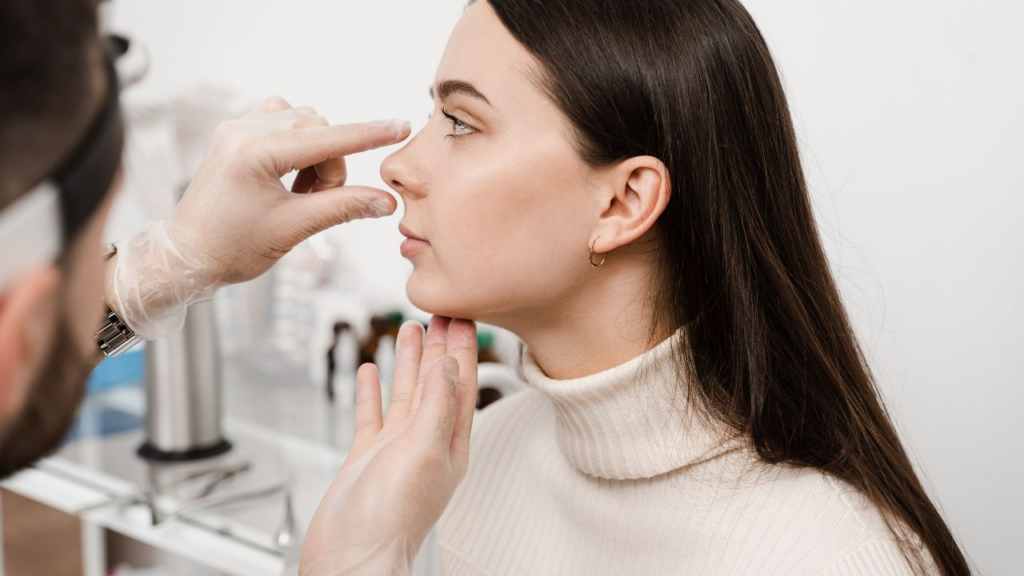
Rhinoplasty, commonly known as a nose job, is a surgical procedure performed to change the shape, size, or structure of the nose. Whether it is done for cosmetic reasons, functional improvement, or both, understanding the recovery process can help you prepare for the weeks following surgery.
While recovery varies from person to person, most patients notice significant improvement during the first few weeks, with the final shape of the nose becoming clearer over several months.
What to Expect Immediately After Rhinoplasty
After surgery, your nose may be supported with a splint, and you may experience swelling, bruising, nasal congestion, and mild discomfort. These symptoms are usually most noticeable during the first few days.
Your surgeon will provide specific instructions regarding medication, sleeping position, cleaning the nose, physical activity, and follow-up appointments. Following these instructions carefully can support a smoother recovery.
Rhinoplasty Recovery: Week by Week
Week 1: Swelling, Bruising and Initial Healing
The first week is generally the most uncomfortable part of rhinoplasty recovery. Swelling and bruising around the nose and under the eyes are common. You may also experience nasal congestion because of internal swelling.
During this period:
- Keep your head elevated while sleeping.
- Avoid blowing or forcefully touching your nose.
- Follow your surgeon’s instructions for medications and wound care.
- Avoid strenuous exercise and activities that could put pressure on your nose.
- Attend your scheduled follow-up appointment.
A nasal splint is often removed around the end of the first week, depending on the surgical technique and your surgeon’s recommendation.
Week 2: Bruising Starts to Fade
By the second week, many patients begin to feel more comfortable. Most visible bruising gradually improves, although some swelling will remain.
You may be able to return to desk-based work or normal daily activities if your surgeon approves. However, the nose may still look swollen, and it is important not to judge the final surgical result at this stage.
Continue protecting your nose and avoid activities that could accidentally bump or injure it.
Weeks 3–4: Gradual Return to Routine
During weeks three and four, swelling usually continues to decrease. Your nose may begin to look more refined, but subtle changes will continue to occur.
Many people can gradually return to their regular routine during this period, subject to their surgeon’s advice. Light activities may be introduced, while strenuous exercise and contact sports may still need to be avoided.
If your surgeon recommends specific nasal care or massage, follow those instructions carefully rather than attempting techniques on your own.
Month 2: Noticeable Improvement
By the second month, much of the initial swelling has usually subsided. The nose may appear more natural and defined compared with the first few weeks.
However, residual swelling—particularly around the tip of the nose—can remain. The nasal tip often takes longer to settle because it may require more time for soft tissues to heal.
At this stage, you may feel more confident returning to social activities, but continue following your surgeon’s advice regarding exercise, sun exposure, glasses, and activities that could put pressure on the nose.
Months 3–6: Refinement Continues
Between three and six months, the nose generally continues to refine as residual swelling gradually decreases. Changes may be subtle and may not be noticeable from one day to the next.
The nasal structure is continuing to heal internally, even if you feel completely recovered externally.
Regular follow-up appointments allow your surgeon to monitor healing and address any concerns.
6–12 Months: Final Results Become Clearer
Rhinoplasty results are not usually considered final immediately after surgery. It can take many months for swelling to completely resolve, particularly around the nasal tip.
By six to twelve months, many patients can appreciate the long-term shape and contour of their nose more clearly. Some patients may experience changes for even longer, depending on factors such as skin thickness, surgical technique, and individual healing.
Factors That Can Affect Rhinoplasty Recovery
Recovery time can vary depending on several factors, including:
- The type and complexity of rhinoplasty performed
- Whether the procedure involved functional correction
- Skin thickness and tissue characteristics
- Individual healing ability
- Whether the surgery was primary or revision rhinoplasty
- Following post-operative instructions
- Smoking or exposure to tobacco
- Physical activity during recovery
Because every patient is different, your surgeon’s recovery instructions should take priority over a general timeline.
When Should You Contact Your Surgeon?
Some swelling, bruising, congestion, and discomfort are expected after rhinoplasty. However, you should contact your surgical team if you experience symptoms that concern you, particularly severe or worsening pain, significant bleeding, fever, difficulty breathing, or other unusual changes.
Do not hesitate to contact your surgeon if something does not feel right. Early communication can help identify and address potential complications.
Tips for a Smoother Rhinoplasty Recovery
A few simple habits can help support your recovery:
- Follow your surgeon’s instructions carefully.
Your personalized instructions are more important than general advice found online. - Sleep with your head elevated.
This may help reduce swelling during the early recovery period. - Protect your nose.
Avoid situations where your nose could be bumped or compressed. - Avoid strenuous exercise until cleared.
Returning to exercise too quickly may interfere with healing. - Be patient with swelling.
Your nose may look different from day to day as swelling changes. - Attend follow-up appointments.
Your surgeon can monitor your healing and advise you when it is safe to resume different activities.
Final Thoughts
Rhinoplasty recovery is a gradual process rather than a single event. The first week usually involves the most visible swelling and bruising, while the following weeks bring steady improvement. Although you may notice significant changes within the first month, the nose can continue refining for several months.
Understanding the week-by-week recovery timeline can help you set realistic expectations and avoid unnecessary worry during the healing process. Most importantly, stay in close communication with your plastic surgeon and follow your personalized post-operative instructions throughout recovery.