
Cosmetic Surgery in Your 50s and Beyond: What’s Still Safe and Effective?
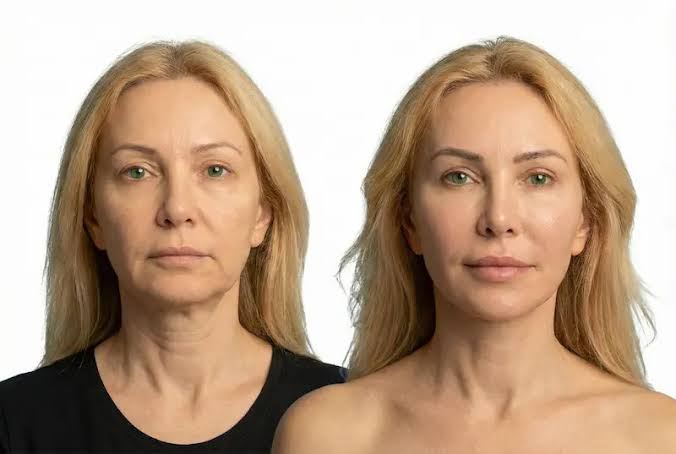
Turning 50 or entering your 60s and beyond does not necessarily mean you have to give up on cosmetic surgery. Many healthy adults choose aesthetic procedures later in life to address changes such as sagging skin, facial volume loss, wrinkles, loose neck skin, or changes in the breasts and body. Modern cosmetic surgery can offer natural-looking improvements for older adults, but the most important factor is overall health—not simply age.
Is Cosmetic Surgery Safe After 50?
There is no universal age at which cosmetic surgery becomes unsafe. A healthy person in their 60s or 70s may be a better surgical candidate than a younger person with uncontrolled medical conditions or significant lifestyle risk factors. Surgeons generally consider cardiovascular health, blood pressure, diabetes control, smoking status, medications, weight, mobility, skin quality, and the patient’s ability to recover safely.
This means that your overall health and fitness can be more important than your age when determining whether a procedure is appropriate.
Which Cosmetic Procedures Can Be Effective in Your 50s and Beyond?
Several procedures can provide meaningful results when appropriately selected.
1. Facelift and Neck Lift
A facelift can address sagging facial skin, jowls, deeper folds, and changes in the lower face, while a neck lift can improve loose skin and excess tissue around the jawline and neck. These procedures are designed to restore facial contours rather than completely change someone’s appearance.
For older patients, the surgical plan may be adjusted according to skin quality, tissue laxity, facial volume, and overall health.
2. Eyelid Surgery
Upper or lower eyelid surgery can address drooping eyelids, excess skin, and under-eye bags. For some people, improving the eye area can create a refreshed appearance without requiring extensive facial surgery.
3. Brow Lift
A brow lift may be considered when aging has caused the eyebrows to descend or created a tired or heavy appearance around the upper face. It may sometimes be combined with eyelid surgery when clinically appropriate.
4. Facial Fat Grafting
Aging often involves loss of facial volume in addition to skin laxity. Fat grafting can be used to restore volume in selected areas, potentially creating a more balanced and natural appearance.
5. Breast Surgery
Women in their 50s and beyond may consider breast reduction, breast lift, or other breast procedures because of changes associated with aging, weight fluctuations, menopause, or changes in breast tissue. The appropriate procedure depends on individual anatomy, health, and personal goals.
6. Body Contouring
Procedures such as abdominoplasty or other body-contouring surgeries may be considered after significant weight loss or changes in body shape. However, some body procedures can carry greater risks in older patients, so careful medical evaluation is particularly important.
What Makes Surgery Different After 50?
As we age, the body can undergo changes that influence surgery and recovery. Skin may become thinner, healing can be slower in some individuals, and conditions such as high blood pressure, diabetes, heart disease, or circulation problems may become more common.
Medications also deserve special attention. Blood thinners, heart medications, supplements, and other drugs can affect bleeding, anesthesia, or recovery. Your surgeon needs a complete list of everything you take before surgery.
Health Screening Is Essential
Before cosmetic surgery, your surgeon may recommend a medical evaluation or laboratory testing depending on your health and the planned procedure. Existing medical conditions should be appropriately controlled before elective surgery.
Patients with hypertension, diabetes, cardiovascular conditions, or other health concerns may require additional assessment or medical clearance. The goal is to make the procedure and recovery as safe as reasonably possible.
Smoking Can Increase Surgical Risks
Smoking and nicotine use can negatively affect circulation and wound healing. In plastic surgery, smoking can increase the risk of complications such as delayed healing, infection, blood clots, and tissue damage.
If you smoke or use nicotine products, discuss this honestly with your surgeon. You may be advised to stop before surgery and remain nicotine-free during the recovery period.
Recovery and Expectations Matter
Cosmetic surgery in your 50s or beyond should be approached with realistic expectations. The objective is usually rejuvenation, restoration, and improved confidence—not turning back the clock completely.
Recovery requirements vary considerably depending on the procedure. Good nutrition, adequate hydration, appropriate physical activity, following postoperative instructions, and attending follow-up appointments can all support recovery.
It is also important to arrange appropriate support at home, particularly during the first few days after surgery.
Surgical vs. Non-Surgical Treatments
Not everyone needs surgery. Depending on your concerns, options such as fillers, neuromodulators, laser treatments, skin resurfacing, or other minimally invasive procedures may provide improvement with less downtime.
However, non-surgical treatments cannot always produce the same degree of lifting or correction as surgery. A consultation can help determine whether surgical treatment, non-surgical treatment, or a combination of both is most appropriate.
Choosing the Right Plastic Surgeon
Experience and patient safety should be priorities when considering cosmetic surgery later in life. During your consultation, discuss your medical history, medications, previous surgeries, lifestyle, expectations, and desired outcome openly.
Ask about:
- The surgeon’s qualifications and experience with older patients
- Where the procedure will be performed
- Anesthesia and monitoring arrangements
- Possible complications and how they are managed
- Expected recovery time
- Whether medical clearance is required
- Alternative treatments that may achieve your goals
A thorough consultation allows the surgeon to create a treatment plan around your health, anatomy, and individual goals, rather than simply your age.
Conclusion
Cosmetic surgery in your 50s, 60s, or beyond can be safe and effective for appropriately selected patients. Age alone does not automatically make you unsuitable for cosmetic surgery. Your overall health, medical conditions, medications, lifestyle, skin and tissue quality, and ability to recover are much more important considerations.
Whether you’re considering a facelift, neck lift, eyelid surgery, breast surgery, body contouring, or a non-surgical treatment, the safest approach is to undergo a detailed evaluation with a qualified plastic surgeon. The goal should always be to achieve a natural, healthy-looking result while putting your safety first.
This article is for general educational purposes and does not replace an individual medical consultation.