Author name: ETNS@011224_User

Is Rhinoplasty Right for You? Everything You Need to Know
Rhinoplasty

Is Rhinoplasty Right for You? Everything You Need to Know

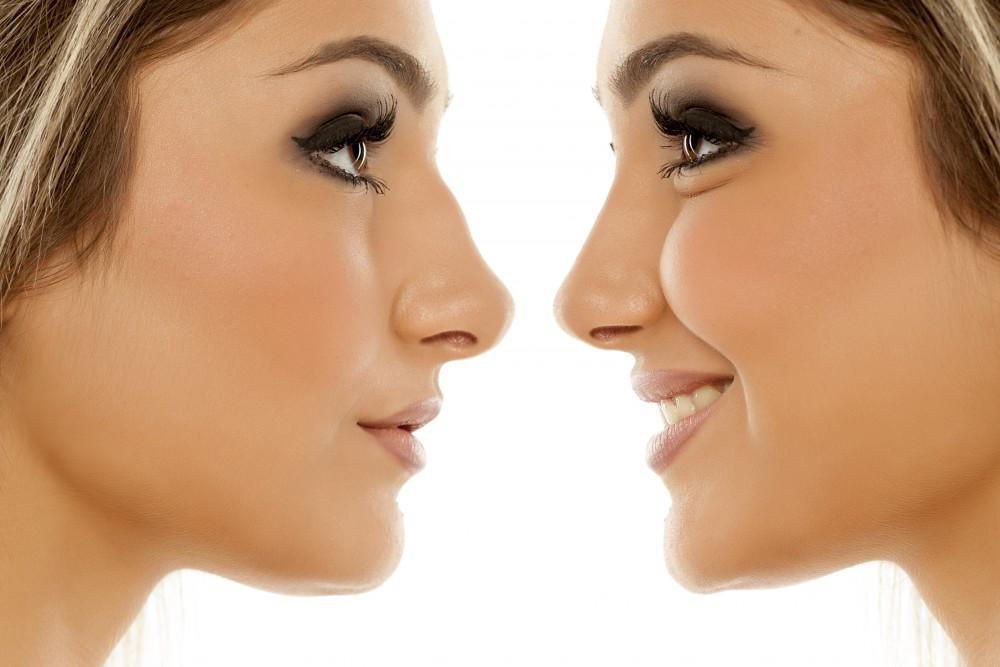
Is Rhinoplasty Right for You? Everything You Need to Know Rhinoplasty, commonly known as a nose job, is one of the most popular cosmetic and functional surgical procedures worldwide. Whether you’re considering it for aesthetic enhancement or to improve breathing difficulties, rhinoplasty can significantly impact both your appearance and quality of life. But how do you know if it’s the right choice for you? The nose is one of the most prominent features of the face and plays a vital role in facial harmony. Even small changes to its shape, size, or structure can create a noticeable improvement in overall appearance. Many individuals choose rhinoplasty to correct a crooked nose, reduce a nasal hump, refine the nasal tip, improve symmetry, or address concerns that have affected their confidence for years. Beyond cosmetic benefits, rhinoplasty can also help individuals suffering from functional issues. Structural abnormalities, injuries, congenital defects, or a deviated nasal septum can lead to breathing difficulties, chronic congestion, and sleep disturbances. In such cases, rhinoplasty may be combined with corrective procedures to restore proper nasal function while enhancing appearance. You may be a good candidate for rhinoplasty if you are physically healthy, have realistic expectations, and are unhappy with the appearance or function of your nose. The procedure is suitable for adults whose facial growth is complete and who understand the potential outcomes and recovery process. A thorough consultation with an experienced cosmetic surgeon is essential to evaluate your goals and determine the most appropriate treatment plan. Modern rhinoplasty techniques are highly advanced and tailored to each patient’s unique facial features. Surgeons carefully consider facial proportions, skin thickness, nasal structure, and personal preferences to achieve natural-looking results. The goal is not to create a “perfect” nose but to enhance facial balance while maintaining your individuality. Recovery from rhinoplasty typically involves some swelling and bruising around the nose and eyes, which gradually improves over the first few weeks. While many patients return to their routine activities within a short period, the final results continue to refine over several months as residual swelling subsides. Before deciding on rhinoplasty, it is important to discuss your concerns, expectations, and medical history with a qualified surgeon. Understanding the procedure, potential risks, recovery timeline, and expected results can help you make an informed decision. Ultimately, rhinoplasty can be a life-changing procedure for individuals seeking improved facial harmony, enhanced self-confidence, or better nasal function. If you’ve been considering changes to the appearance or functionality of your nose, a professional consultation can help determine whether rhinoplasty is the right solution for your needs.

Preparing for Your First Cosmetic Surgery Appointment: What to Expect
ASthetic Excellence, cosmetic Surgery

Preparing for Your First Cosmetic Surgery Appointment

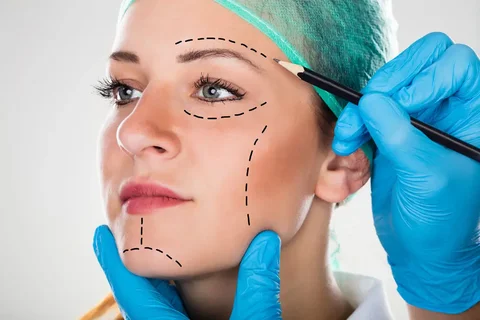
Preparing for Your First Cosmetic Surgery Appointment Deciding to explore cosmetic surgery is a personal and often exciting step toward enhancing your confidence and appearance. Whether you are considering a subtle enhancement or a more transformative procedure, your first cosmetic surgery appointment plays a crucial role in setting expectations and helping you make informed decisions. Knowing how to prepare can make the experience smoother, less stressful, and far more productive. Here’s everything you should know before walking into your first consultation. Understand Your Goals Before your appointment, spend some time thinking about what you hope to achieve. Ask yourself: Having a clear understanding of your goals will help your surgeon recommend the most suitable procedures and treatment options. Research Your Procedure It’s important to have a basic understanding of the procedure you are interested in before your consultation. Read about: Being informed allows you to ask better questions and feel more confident during your discussion with the surgeon. Choose a Qualified Cosmetic Surgeon One of the most important steps is selecting a reputable and experienced surgeon. Look for: Do not hesitate to schedule consultations with more than one provider before making a final decision. Prepare Questions in Advance Your consultation is the perfect opportunity to gather information. Write down questions ahead of time so you do not forget anything important during the appointment. Some useful questions include: The more informed you are, the more comfortable you will feel moving forward. Be Honest About Your Medical History Your surgeon needs accurate information about your health to ensure your safety. Be prepared to discuss: Honesty is essential for creating a safe treatment plan and minimizing risks. Avoid Certain Medications Before Your Appointment Some medications and supplements can increase bleeding risks or interfere with surgery preparation. Your surgeon may advise you to avoid: Always follow your surgeon’s recommendations carefully. Bring Reference Photos Carefully If there is a particular look or result you admire, bringing reference photos can help communicate your aesthetic preferences. However, remember that every person’s anatomy is different, and results will vary. Use photos as inspiration rather than exact expectations. Understand the Recovery Process Many patients focus primarily on the procedure itself and overlook recovery. Ask detailed questions about: Planning ahead can make your recovery more comfortable and less stressful. Consider the Financial Commitment Cosmetic surgery is often a significant financial investment. During your consultation, ask for a full breakdown of costs, including: Some clinics also offer financing options that may help make procedures more manageable. Stay Calm and Keep an Open Mind It is completely normal to feel nervous before your first cosmetic surgery consultation. Remember, the appointment is designed to educate and guide you — not pressure you into making an immediate decision. A trustworthy surgeon will prioritize your safety, answer your questions honestly, and help you determine whether the procedure aligns with your goals. Final Thoughts Preparing for your first cosmetic surgery appointment can help you feel more confident, informed, and empowered throughout the process. By researching your options, choosing a qualified surgeon, and asking the right questions, you can make decisions that support both your appearance goals and overall well-being. Cosmetic surgery is a personal journey, and taking the time to prepare properly is the first step toward achieving results you can feel good about.

Year-Round Beauty: Top Cosmetic Procedures and Aesthetic Trends for 2026
ASthetic Excellence, cosmetic Surgery

Year-Round Beauty: Top Procedures for 2026

Year-Round Beauty: Top Procedures for 2026 Beauty trends are evolving faster than ever, and 2026 is shaping up to be the year of subtle enhancements, preventative treatments, and personalized aesthetics. Gone are the days of dramatic transformations dominating the industry. Today’s beauty consumers are looking for natural-looking results, minimal downtime, and treatments that fit seamlessly into their lifestyles year-round. From advanced skin rejuvenation to non-invasive sculpting, cosmetic procedures are becoming smarter, safer, and more accessible. Whether someone wants glowing skin, sharper facial contours, or long-term anti-aging solutions, 2026 offers more options than ever before. Here’s a look at the top beauty procedures expected to dominate the year ahead. 1. Preventative Botox Continues to Rise Preventative Botox is no longer just a celebrity trend. Younger adults in their 20s and early 30s are increasingly turning to small, strategic injections to prevent fine lines before they deepen. Rather than freezing facial expressions, modern Botox treatments focus on maintaining natural movement while softening repetitive wrinkles. The result is a refreshed, youthful appearance without looking overdone. Why it’s trending in 2026: 2. Skin Boosters for Glass Skin Healthy, glowing skin remains one of the biggest beauty goals worldwide. In 2026, skin boosters are expected to become even more popular as people prioritize hydration and skin quality over heavy makeup. Unlike traditional fillers, skin boosters work by deeply hydrating the skin and improving elasticity, texture, and radiance. Popular treatment areas include: These treatments are especially attractive because they provide subtle enhancement while supporting long-term skin health. 3. Non-Surgical Facial Contouring Surgical facelifts are no longer the only option for facial definition. Non-invasive contouring procedures using radiofrequency, ultrasound, and injectable treatments are becoming mainstream. These procedures can: Patients are increasingly choosing treatments that offer gradual improvements with little recovery time. 4. Laser Resurfacing Gets Smarter Laser technology has improved significantly over the last few years. New-generation lasers in 2026 are more precise, customizable, and effective for treating: Advanced cooling systems and AI-assisted settings are also making treatments safer for a wider range of skin tones. The focus is no longer just correction — it’s prevention and maintenance. 5. Body Sculpting Without Surgery Body contouring continues to evolve as non-surgical procedures become more sophisticated. Treatments using: are helping patients target stubborn fat and tone specific areas without invasive surgery. The appeal is clear: In 2026, many clinics are combining multiple technologies into personalized body transformation plans. 6. Regenerative Aesthetic Treatments One of the fastest-growing trends in beauty is regenerative medicine. Procedures involving: are becoming increasingly popular for skin rejuvenation and hair restoration. Rather than simply masking signs of aging, regenerative treatments aim to activate the body’s natural healing and repair processes. This shift toward “inside-out beauty” reflects growing consumer interest in long-term wellness and sustainability. 7. Personalized AI Beauty Consultations Artificial intelligence is transforming the beauty industry in unexpected ways. Many clinics in 2026 are expected to use AI-powered consultations that analyze: This technology helps practitioners create highly customized treatment plans tailored to individual goals and facial anatomy. The result is a more personalized and data-driven beauty experience. The Shift Toward Natural Beauty Perhaps the biggest trend of all in 2026 is the move toward natural enhancement. Patients are increasingly asking for: The era of exaggerated cosmetic work is fading. Instead, beauty procedures are becoming tools for confidence, maintenance, and self-care. Modern aesthetics is less about changing appearances and more about helping people look refreshed, healthy, and confident at every age. Final Thoughts The beauty industry in 2026 is blending technology, wellness, and personalization like never before. With non-invasive innovations and smarter treatments becoming widely available, maintaining year-round beauty is easier and more customizable than ever. From glowing skin to subtle contouring and regenerative therapies, the future of aesthetics is centered on natural results and long-term confidence. As trends continue to evolve, one thing remains clear: beauty in 2026 is all about enhancement — not transformation.

Uncategorized

Is Cosmetic Surgery Safe? Risks and Benefits Explained

Is Cosmetic Surgery Safe? Risks and Benefits Explained Cosmetic surgery has become increasingly popular across the world. From facial enhancements to body contouring procedures, millions of people choose cosmetic treatments to improve their appearance and boost confidence. However, one important question remains: Is cosmetic surgery really safe? The answer depends on several factors, including the type of procedure, the surgeon’s expertise, the patient’s health condition, and proper post-surgery care. Like any medical procedure, cosmetic surgery comes with both benefits and risks. In this article, we’ll explore everything you need to know before considering cosmetic surgery. What Is Cosmetic Surgery? Cosmetic surgery refers to medical procedures performed to improve or alter a person’s physical appearance. Unlike reconstructive surgery, which is done for medical reasons, cosmetic surgery is usually elective. Common cosmetic procedures include: These procedures can be surgical or minimally invasive. Benefits of Cosmetic Surgery 1. Improved Self-Confidence Many people choose cosmetic surgery to feel more confident about their appearance. A successful procedure can improve self-esteem and body image. For example: 2. Enhanced Physical Appearance Cosmetic surgery can help individuals achieve desired aesthetic goals, such as: Modern techniques offer more natural-looking results than ever before. 3. Correcting Physical Features Some procedures address features that may cause discomfort or emotional distress, including: In such cases, cosmetic surgery may improve both appearance and quality of life. 4. Long-Lasting Results Many cosmetic procedures provide long-term or permanent results when combined with a healthy lifestyle and proper care. Examples include: Risks of Cosmetic Surgery While cosmetic surgery can offer benefits, it is important to understand the possible risks. 1. Infection Any surgical procedure carries a risk of infection. Poor hygiene, improper aftercare, or unqualified clinics can increase complications. 2. Scarring Some procedures may leave visible scars, especially if healing is poor or surgery is not performed correctly. 3. Anesthesia Risks General anesthesia may cause side effects or complications in certain individuals, especially those with underlying medical conditions. 4. Unsatisfactory Results Not every cosmetic surgery delivers perfect results. In some cases: 5. Emotional and Psychological Impact Cosmetic surgery does not always solve emotional insecurities. Some people may continue feeling dissatisfied even after surgery. Experts recommend realistic expectations and mental preparedness before undergoing any procedure. How Safe Is Cosmetic Surgery Today? Modern cosmetic surgery is generally considered safe when performed by: Advancements in technology, surgical techniques, and patient care have significantly improved safety and recovery times. However, safety largely depends on: Tips to Reduce Risks Before undergoing cosmetic surgery, consider these important safety tips: Choose a Certified Surgeon Always verify: Research the Procedure Understand: Have Realistic Expectations Cosmetic surgery can enhance appearance, but perfection is unrealistic. Follow Post-Surgery Instructions Proper recovery care is essential for: Who Should Avoid Cosmetic Surgery? Cosmetic surgery may not be suitable for: A medical consultation is necessary before making any decision. Non-Surgical Alternatives Not all cosmetic improvements require surgery. Popular non-surgical options include: These treatments often involve less downtime and lower risk. Conclusion So, is cosmetic surgery safe? In many cases, yes — cosmetic surgery can be safe and effective when performed by qualified professionals under proper medical conditions. It can improve confidence, appearance, and quality of life for many people. However, it is still a medical procedure with real risks. Understanding both the benefits and potential complications is essential before making a decision. The best approach is to research carefully, consult experienced professionals, and prioritize health and safety above unrealistic beauty standards.

cosmetic Surgery

Is Cosmetic Surgery Safe? Risks and Benefits Explained

Is Cosmetic Surgery Safe? Risks and Benefits Explained Cosmetic surgery has become more popular than ever, with millions of people choosing procedures to improve their appearance and boost confidence. From rhinoplasty and liposuction to facelifts and breast augmentation, modern cosmetic procedures offer impressive results. But one important question remains: Is cosmetic surgery safe? The answer is not entirely simple. Cosmetic surgery can be safe when performed by qualified professionals under proper medical conditions, but like any surgical procedure, it also comes with risks. Understanding both the benefits and the potential complications can help you make an informed decision. What Is Cosmetic Surgery? Cosmetic surgery refers to medical procedures designed to improve or enhance a person’s appearance. These surgeries can target different parts of the body, including the face, skin, breasts, and body contour. Common cosmetic procedures include: Some procedures are surgical, while others are minimally invasive and require little recovery time. Is Cosmetic Surgery Generally Safe? In most cases, cosmetic surgery is considered safe when: Advancements in medical technology, anesthesia, and surgical techniques have significantly improved patient safety over the years. However, no surgery is completely risk-free. Benefits of Cosmetic Surgery 1. Improved Self-Confidence One of the biggest reasons people choose cosmetic surgery is to feel more confident about their appearance. Many patients report improved self-esteem after achieving their desired look. 2. Enhanced Physical Appearance Cosmetic procedures can help correct features people may feel unhappy with, creating a more balanced or youthful appearance. 3. Reconstructive Advantages Some cosmetic procedures also provide functional benefits. For example: 4. Long-Lasting Results Many cosmetic surgeries provide results that can last for years, especially when combined with a healthy lifestyle. 5. Motivation for Healthier Habits Some patients become more motivated to maintain healthy habits such as exercise, balanced nutrition, and skincare after surgery. Risks and Potential Complications Although cosmetic surgery can be beneficial, it also carries risks that should not be ignored. 1. Infection Any surgical procedure can lead to infection if wounds are not properly cared for. 2. Scarring Most surgeries leave some form of scar, though skilled surgeons try to minimize visible marks. 3. Anesthesia Risks Reactions to anesthesia are rare but possible, especially in individuals with underlying health conditions. 4. Unsatisfactory Results Sometimes results may not meet expectations, leading to disappointment or the need for revision surgery. 5. Blood Clots and Bleeding More invasive surgeries may increase the risk of bleeding or blood clots. 6. Emotional Impact Some individuals may struggle emotionally if results differ from what they imagined or if they rely heavily on surgery for self-worth. Factors That Affect Safety Several factors influence how safe cosmetic surgery will be: Surgeon Qualifications Always choose a board-certified and experienced cosmetic surgeon. Patient Health People with conditions like diabetes, heart disease, or smoking habits may face higher risks. Type of Procedure More complex surgeries generally carry higher risks than minimally invasive treatments. Recovery and Aftercare Following post-operative instructions carefully is essential for reducing complications. Tips for Safer Cosmetic Surgery If you are considering cosmetic surgery, keep these safety tips in mind: Non-Surgical Alternatives Not everyone needs surgery to achieve cosmetic goals. Non-invasive treatments may offer noticeable improvements with fewer risks, including: These options usually involve shorter recovery times and lower complication rates. Final Thoughts Cosmetic surgery can be safe and life-changing for many people when performed responsibly and for the right reasons. However, it is still a medical procedure with real risks that should be carefully considered. The key to a positive experience lies in proper research, choosing qualified professionals, understanding the risks, and maintaining realistic expectations. Before making a decision, consult a trusted medical expert and take time to evaluate whether the procedure aligns with your personal goals and health needs. Ultimately, cosmetic surgery is a personal choice — and making an informed decision is the safest step you can take.

What to Expect During a Cosmetic Surgery Consultation | Complete Patient Guide
ASthetic Excellence

What to Expect During a Cosmetic Surgery Consultation

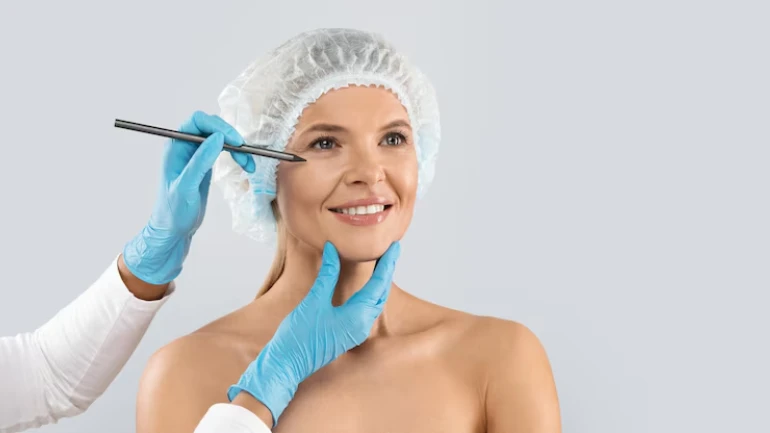
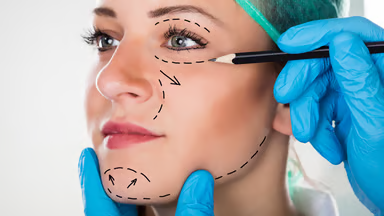
What to Expect During a Cosmetic Surgery Consultation Taking the first step toward cosmetic surgery can feel exciting and a little overwhelming. A cosmetic surgery consultation is an important stage in the journey because it helps you understand the procedure, discuss your goals, and decide whether the treatment is right for you. Knowing what to expect can help you feel more confident and prepared. Initial Discussion About Your Goals The consultation usually begins with a conversation about your expectations and reasons for considering cosmetic surgery. Your surgeon will ask what changes you hope to achieve and discuss your desired outcomes. Being open and honest is important because it helps create realistic expectations and a treatment plan tailored to your needs. Review of Medical History Your surgeon will review your medical history to ensure the procedure can be performed safely. This may include discussions about: Providing accurate information helps reduce risks and improve results. Physical Examination A physical assessment may be performed depending on the procedure you are considering. The surgeon may evaluate skin condition, body structure, facial features, or other relevant areas. Measurements and photographs may also be taken for planning and comparison purposes. Discussion of Treatment Options During the consultation, the surgeon will explain available treatment options and recommend the most suitable approach based on your goals. You may learn about: This is a good opportunity to ask questions and understand every aspect of the procedure. Understanding Recovery and Results Your surgeon will explain what recovery may look like after surgery, including healing time, restrictions, follow-up appointments, and expected outcomes. Understanding the recovery process can help you prepare mentally and physically. Financial Information Many clinics also discuss procedure costs, payment options, and what is included in the treatment package. Having clear information helps avoid confusion later. Final Thoughts A cosmetic surgery consultation is more than just an appointment—it is a chance to gain knowledge, ask questions, and build trust with your surgeon. Going into the consultation prepared and informed can help you make confident decisions and ensure a smoother journey toward achieving your aesthetic goals.

ASthetic Excellence, Surgery

How to Choose the Right Cosmetic Surgeon

How to Choose the Right Cosmetic Surgeon Choosing a cosmetic surgeon is one of the most important decisions for anyone considering an aesthetic procedure. Whether you are planning a facial enhancement, body contouring, or skin treatment, selecting the right professional can directly impact your results, safety, and overall experience. With many options available, knowing what to look for can help you make a confident and informed choice. Check Qualifications and Certifications The first step in selecting a cosmetic surgeon is verifying their qualifications. Ensure the surgeon has proper medical training, certifications, and specialized experience in cosmetic or plastic surgery. A certified and experienced professional is more likely to follow safety standards and deliver quality care. Look at Experience and Specialization Different surgeons specialize in different procedures. If you are considering rhinoplasty, liposuction, facelift surgery, or another specific treatment, choose a surgeon with extensive experience in that area. Reviewing the number of procedures they have performed can provide confidence in their expertise. Review Before-and-After Results Before making a decision, ask to see before-and-after photographs of previous patients. These images can help you understand the surgeon’s aesthetic style and the kind of results you may expect. Consistent and natural-looking outcomes are usually a positive sign. Read Patient Reviews and Testimonials Online reviews and patient testimonials provide valuable insights into the experiences of others. Pay attention to comments about professionalism, communication, clinic cleanliness, and patient satisfaction. Positive feedback from multiple sources can indicate reliability. Schedule a Consultation A consultation is an opportunity to ask questions and understand the surgeon’s approach. During the meeting, evaluate how clearly they explain procedures, risks, recovery timelines, and expected outcomes. A good surgeon listens carefully and provides realistic expectations rather than making exaggerated promises. Assess the Facility and Technology The quality of the clinic or hospital matters just as much as the surgeon. Ensure procedures are performed in accredited facilities with modern equipment and proper safety protocols. Advanced technology can improve precision and patient outcomes. Prioritize Safety Over Cost While budget is an important factor, choosing a surgeon based solely on low pricing can be risky. Extremely cheap procedures may compromise quality or safety. Focus on experience, credentials, and patient care rather than cost alone. Final Thoughts Selecting the right cosmetic surgeon requires careful research and thoughtful decision-making. By checking qualifications, reviewing experience, reading patient feedback, and prioritizing safety, you can make a more informed choice. Taking time to find the right professional increases the likelihood of achieving safe, satisfying, and natural-looking results.

Anti-Aging Treatments: Surgical vs Non-Surgical Options Explained
ASthetic Excellence

Anti-Aging Treatments: Surgical vs Non-Surgical Options

Anti-Aging Treatments: Surgical vs Non-Surgical Options Aging is a natural process that affects everyone over time. As we grow older, our skin gradually loses collagen, elasticity, and moisture, leading to wrinkles, fine lines, sagging skin, and changes in facial contours. Thanks to modern medical advancements, there are numerous anti-aging treatments available that help people maintain a youthful appearance. These treatments broadly fall into two categories: surgical and non-surgical options. Understanding the differences between them can help individuals choose the treatment that best suits their goals, lifestyle, and expectations. Understanding Anti-Aging Treatments Anti-aging treatments are designed to reduce visible signs of aging and restore a refreshed appearance. While some individuals prefer dramatic and long-lasting transformations, others seek subtle enhancements with minimal downtime. The choice often depends on factors such as age, skin condition, budget, recovery time, and desired outcomes. Surgical Anti-Aging Treatments Surgical procedures provide more extensive and long-lasting results by physically altering facial structures and removing excess skin. These treatments are commonly chosen by individuals with moderate to severe signs of aging. Facelift Surgery A facelift is one of the most well-known anti-aging procedures. It tightens sagging facial skin and underlying tissues to create a firmer, more youthful appearance. It effectively reduces deep wrinkles, jowls, and loose skin around the neck and jawline. Benefits: Considerations: Neck Lift A neck lift targets loose skin and excess fat around the neck area. It helps create a smoother neck profile and can complement facelift procedures. Eyelid Surgery (Blepharoplasty) This procedure removes excess skin and fat around the eyes, helping individuals achieve a more refreshed and youthful look by reducing droopy eyelids and under-eye bags. Non-Surgical Anti-Aging Treatments Non-surgical procedures have gained immense popularity due to their convenience, lower costs, and shorter recovery periods. These treatments improve appearance without invasive surgery. Botox Injections Botox temporarily relaxes facial muscles responsible for expression lines and wrinkles. It is commonly used for forehead lines, crow’s feet, and frown lines. Benefits: Limitations: Dermal Fillers Dermal fillers restore lost facial volume and smooth wrinkles. They can enhance cheeks, lips, and under-eye areas while reducing deep folds. Chemical Peels Chemical peels remove damaged outer layers of skin to reveal smoother and brighter skin beneath. They help improve pigmentation, fine lines, and uneven texture. Laser Skin Treatments Laser procedures stimulate collagen production and improve skin texture. They can address wrinkles, sun damage, and age spots while promoting skin renewal. Microneedling Microneedling uses tiny needles to stimulate collagen production and improve skin elasticity, making skin appear firmer and healthier. Surgical vs Non-Surgical: Key Differences Factor Surgical Treatments Non-Surgical Treatments Results Dramatic and long-lasting Subtle and temporary Recovery Time Weeks Hours to days Cost Higher Lower Procedure Type Invasive Minimally invasive Maintenance Less frequent Requires regular sessions Which Option Is Right for You? There is no one-size-fits-all solution when it comes to anti-aging treatments. Individuals with significant skin laxity and deeper signs of aging may benefit more from surgical procedures. Those seeking subtle improvements with little downtime often prefer non-surgical options. Consulting a qualified cosmetic surgeon or dermatologist is essential to determine the most suitable treatment plan. Final Thoughts The world of anti-aging treatments has evolved significantly, offering solutions for every stage of aging. Surgical procedures provide dramatic and longer-lasting outcomes, while non-surgical treatments offer convenience and quicker recovery. By understanding the advantages and limitations of each approach, individuals can make informed decisions and choose treatments that align with their personal goals and lifestyle. Ultimately, the best anti-aging strategy is one that combines expert guidance, healthy habits, and personalized care for natural-looking, lasting results.

Scar Revision Surgery
ASthetic Excellence

Scar Revision Surgery: Improving Skin Appearance

Scar Revision Surgery: Improving Skin Appearance Scars are a natural part of the body’s healing process after injuries, surgeries, burns, acne, or skin trauma. While some scars fade over time, others can become more noticeable and affect a person’s confidence and appearance. Advances in cosmetic and reconstructive procedures have made it possible to improve the look of scars through Scar Revision Surgery, a specialized treatment designed to reduce the visibility of scars and restore smoother, healthier-looking skin. What Is Scar Revision Surgery? Scar revision surgery is a medical procedure performed to minimize the appearance of scars and help them blend more naturally with the surrounding skin. The goal is not to completely remove a scar—since scars cannot be erased entirely—but to make them less noticeable and improve both appearance and functionality. Depending on the type, size, location, and severity of the scar, doctors may recommend surgical or non-surgical methods to improve the skin’s texture and appearance. Types of Scars That Can Be Treated Scar revision surgery can address various types of scars, including: Hypertrophic Scars These are raised, thick scars that remain within the boundaries of the original wound. Keloid Scars Keloids grow beyond the original injury site and can become larger over time. Contracture Scars Often caused by burns, these scars tighten the skin and may affect movement. Acne Scars Deep acne marks can leave uneven skin texture and permanent indentations. Surgical or Injury Scars Scars from previous surgeries, cuts, or accidents can also be improved through revision techniques. Common Scar Revision Treatment Methods Doctors use different techniques depending on individual needs and scar conditions. Surgical Excision The scar tissue is carefully removed, and the wound is re-closed to create a thinner, less visible scar. Skin Grafting In severe cases, healthy skin from another area of the body may be used to replace damaged skin. Laser Therapy Laser treatments help reduce redness, improve texture, and smooth scar appearance. Dermal Fillers Fillers can be used for depressed or sunken scars to create a smoother surface. Steroid Injections These are commonly used for raised scars and keloids to reduce thickness and inflammation. Benefits of Scar Revision Surgery Scar revision procedures can provide multiple benefits, including: Recovery After Scar Revision Surgery Recovery varies depending on the treatment type and the extent of the procedure. Mild swelling, redness, and discomfort are common during the initial healing period. Doctors typically provide detailed aftercare instructions, including medication use, skincare routines, and sun protection measures. Patients may notice gradual improvements over several weeks or months as the skin continues healing. Is Scar Revision Surgery Right for You? Individuals with noticeable scars that affect appearance or daily life may benefit from scar revision treatment. A consultation with a qualified surgeon can help determine the most suitable option based on skin type, scar condition, and desired outcomes. Conclusion Scar revision surgery offers an effective solution for individuals seeking to improve the appearance of scars and regain confidence in their skin. Although scars cannot be completely removed, modern treatment techniques can significantly reduce their visibility and create a smoother, more natural appearance. With personalized care and advanced medical procedures, patients can achieve meaningful improvements and feel more comfortable in their own skin.

Scar Revision Surgery: Improve Skin Appearance & Reduce Visible Scars
cosmetic Surgery

Scar Revision Surgery: Improving Skin Appearance

Scar Revision Surgery: Improving Skin Appearance Scars are a natural part of the body’s healing process after injuries, burns, acne, surgery, or accidents. While some scars fade over time, others can remain visible and affect confidence and self-esteem. Scar revision surgery is a specialized treatment designed to improve the appearance of scars, making them less noticeable and helping the skin look smoother and more natural. Scar revision surgery does not completely erase a scar, but it can significantly reduce its visibility and improve its texture, color, and position. Depending on the scar type, size, and location, doctors use different techniques to achieve better cosmetic results. The procedure is commonly used for raised scars, depressed scars, burn scars, contracture scars, and scars that limit movement. Several methods may be used during scar revision treatment. Surgical excision involves removing the old scar and carefully closing the area to create a finer, less noticeable scar. Skin grafts or flap surgeries may be used for larger or deeper scars. Laser treatments can improve discoloration and skin texture, while dermal fillers may help with sunken scars. In some cases, steroid injections or other advanced therapies are combined with surgery for better results. One of the major advantages of scar revision surgery is its ability to improve both appearance and functionality. Certain scars can cause tightness and restrict movement, especially after burns or major injuries. Scar revision can release these restrictions and improve comfort and flexibility. Patients often experience a boost in confidence after treatment as the skin appears more even and refined. The recovery period varies depending on the procedure performed. Mild swelling, redness, or discomfort may occur after treatment, but these effects usually subside within a few days or weeks. Following post-treatment instructions, protecting the area from sunlight, and maintaining proper skincare can help achieve optimal healing results. Before choosing scar revision surgery, it is important to consult with an experienced specialist who can assess the scar and recommend the most suitable treatment approach. Every scar is unique, and personalized treatment plans help ensure the best possible outcome. With advancements in cosmetic and reconstructive procedures, scar revision surgery continues to offer effective solutions for improving skin appearance and enhancing quality of life.

Scroll to Top