
Author name: ETNS@011224_User

Laser Skin Treatments for Clearer Skin: Benefits, Types & Results
ASthetic Excellence, cosmetic Surgery

Laser Skin Treatments for Clearer Skin

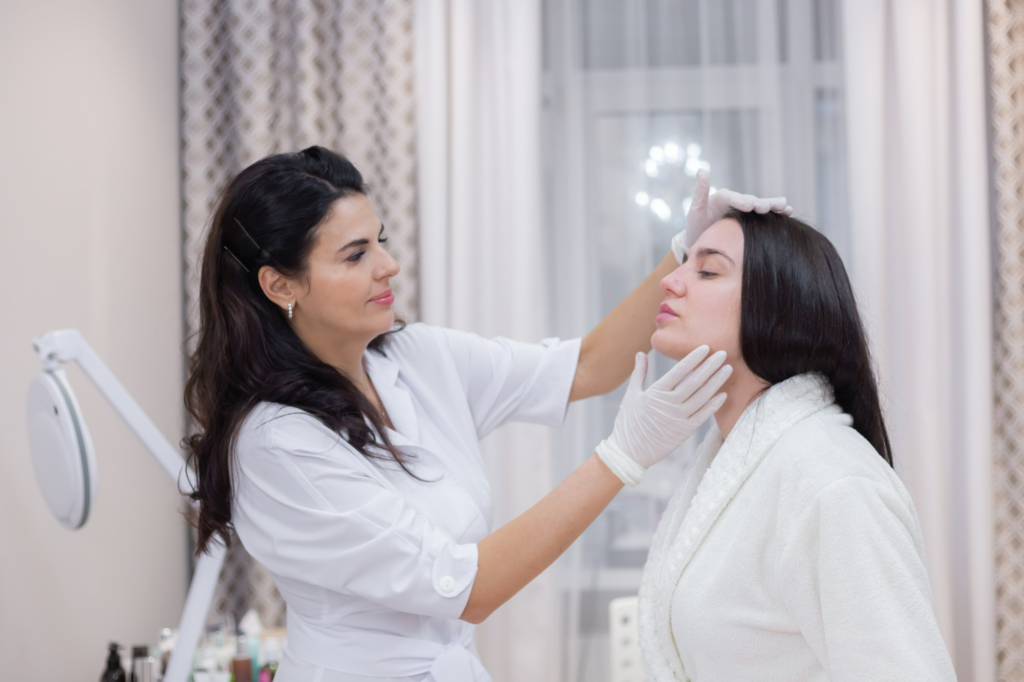
Laser Skin Treatments for Clearer Skin Clear, healthy, and glowing skin is a goal for many people. However, issues such as acne scars, pigmentation, sun damage, fine lines, and uneven skin texture can affect confidence and skin appearance. While skincare products can help to some extent, they often provide limited results for deeper skin concerns. This is where laser skin treatments have become a popular and effective option. Laser skin treatments are advanced cosmetic procedures designed to improve skin texture, reduce imperfections, and promote healthier-looking skin. These treatments use focused light energy to target specific skin issues and stimulate the body’s natural healing process. What Are Laser Skin Treatments? Laser skin treatments use concentrated beams of light to treat various skin conditions and improve overall skin appearance. Depending on the type of laser used, the treatment can target different layers of the skin. Laser technology can help address concerns such as: The procedure works by encouraging collagen production and promoting new skin cell growth, resulting in smoother and clearer skin. Types of Laser Skin Treatments Different laser treatments are designed for specific skin concerns. Fractional Laser Resurfacing Fractional lasers create tiny treatment zones in the skin to stimulate healing and collagen production. They are commonly used for: CO2 Laser Treatment CO2 lasers remove damaged outer skin layers and are often used for deeper skin resurfacing. They can help reduce: Laser Toning Laser toning targets pigmentation and uneven skin tone while giving skin a brighter appearance. Laser Hair Reduction This treatment targets hair follicles using laser energy to reduce unwanted hair growth over time. Benefits of Laser Skin Treatments Laser procedures offer multiple cosmetic and skin health benefits. Improves Skin Texture Laser treatment removes damaged skin cells and encourages healthier skin regeneration. Reduces Acne Scars Many laser procedures effectively minimize acne scars and improve skin smoothness. Treats Pigmentation Dark spots, sun damage, and uneven skin tone can often be significantly reduced. Stimulates Collagen Production Collagen is important for maintaining skin firmness and elasticity. Laser procedures help boost natural collagen production. Provides Youthful Skin Laser treatments can reduce signs of aging, resulting in fresher and younger-looking skin. What Happens During the Procedure? The process may vary depending on the type of laser treatment being performed. Generally, the procedure includes: Treatment sessions can range from 20 minutes to one hour depending on the area and procedure type. Recovery and Aftercare Recovery depends on the laser used and treatment intensity. Patients may experience: Aftercare instructions usually include: Following proper aftercare helps achieve better results and faster healing. Are Laser Skin Treatments Safe? Laser skin treatments are generally considered safe when performed by qualified professionals. Modern laser technology allows customized treatment according to skin type and concern. A proper consultation is important to determine the most suitable procedure and set realistic expectations. Final Thoughts Laser skin treatments have transformed cosmetic skincare by offering effective solutions for clearer, smoother, and healthier skin. Whether you are dealing with acne scars, pigmentation, or signs of aging, laser procedures can help improve skin appearance and confidence. With the right treatment plan and expert care, achieving clearer and more radiant skin is now more accessible than ever.

Hair Transplant

PRP Therapy for Hair Loss: How It Works

PRP Therapy for Hair Loss: How It Works Hair loss affects millions of people worldwide and can impact confidence and self-esteem. Whether caused by genetics, hormonal changes, stress, or medical conditions, thinning hair often leads individuals to seek effective treatment options. Among modern non-surgical solutions, Platelet-Rich Plasma (PRP) therapy has gained significant popularity for its ability to promote natural hair growth. PRP therapy is considered a minimally invasive treatment that uses the body’s own healing properties to stimulate hair follicles and encourage healthier, thicker hair growth. Understanding how PRP therapy works can help individuals decide whether it may be a suitable option for their hair restoration journey. What Is PRP Therapy? PRP stands for Platelet-Rich Plasma, a concentrated component of blood containing a high number of platelets and growth factors. Platelets are best known for helping the body heal injuries, but they also release proteins and growth factors that support tissue repair and regeneration. In PRP hair treatment, a patient’s own blood is processed to isolate platelet-rich plasma, which is then injected into targeted areas of the scalp experiencing hair thinning or hair loss. The purpose of this treatment is to stimulate dormant or weakened hair follicles and create an environment that supports stronger and healthier hair growth. How PRP Therapy Works for Hair Loss PRP treatment generally involves a simple three-step process: Step 1: Blood Collection A small amount of blood is drawn from the patient’s arm, similar to a routine blood test. Step 2: Plasma Separation The collected blood is placed into a centrifuge machine that spins at high speed. This process separates the platelet-rich plasma from other blood components. The concentrated plasma contains growth factors believed to support healing and cellular repair. Step 3: Scalp Injections The PRP solution is carefully injected into specific areas of the scalp where hair thinning or hair loss occurs. These growth factors may help: Over time, repeated sessions may encourage improved hair density and reduce ongoing hair shedding. Conditions PRP Therapy May Help Treat PRP therapy is often used for individuals experiencing: Results can vary depending on the cause and severity of hair loss. Patients with active hair follicles generally respond better compared to those with complete follicle loss. Benefits of PRP Therapy PRP therapy has become increasingly popular due to several advantages: Natural Treatment Approach Because the treatment uses the patient’s own blood, the risk of allergic reactions or rejection is very low. Minimally Invasive Procedure PRP does not require surgery, large incisions, or extensive recovery time. Quick Treatment Sessions Sessions often take less than an hour, making them convenient for many individuals. Minimal Downtime Most patients can return to normal activities shortly after treatment. Potential Improvement in Hair Thickness Many individuals report improvements in hair texture, density, and overall scalp health after multiple sessions. What to Expect During Recovery Recovery after PRP therapy is usually minimal. Some patients may experience: These effects generally resolve within a few days. Multiple treatment sessions are often recommended over several months to achieve optimal results. Is PRP Therapy Right for Everyone? Although PRP therapy can provide promising results, it may not be suitable for everyone. Certain medical conditions, blood disorders, or advanced hair loss stages may affect treatment outcomes. A detailed consultation with a qualified specialist is important to determine whether PRP therapy aligns with an individual’s needs and expectations. Final Thoughts PRP therapy offers an innovative and natural approach to hair restoration by using the body’s own healing mechanisms to stimulate hair growth. While results vary from person to person, many individuals see improvements in hair thickness and reduced hair shedding after consistent treatment sessions. For people looking for a non-surgical option to address early hair loss or thinning hair, PRP therapy continues to emerge as a promising solution in modern hair restoration treatments.

Non-Surgical Fillers: Quick Beauty Hacks for Youthful Skin
ASthetic Excellence

Non-Surgical Fillers: Quick Beauty Hacks

Non-Surgical Fillers: Quick Beauty Hacks In today’s fast-paced world, everyone wants to look fresh, youthful, and confident without spending weeks recovering from surgery. That’s where non-surgical fillers have become one of the most popular cosmetic treatments worldwide. These quick beauty enhancements offer instant results, minimal downtime, and a natural-looking transformation that fits perfectly into modern lifestyles. Whether you want fuller lips, smoother skin, or a more defined facial contour, dermal fillers provide a safe and effective solution for enhancing your appearance without invasive procedures. What Are Non-Surgical Fillers? Non-surgical fillers, also known as dermal fillers, are injectable treatments designed to restore lost volume, smooth wrinkles, and improve facial contours. Most fillers are made with hyaluronic acid, a naturally occurring substance in the body that helps maintain skin hydration and elasticity. These treatments are commonly used to: The procedure usually takes less than an hour, making it an ideal “lunchtime treatment” for busy individuals. Why Are Fillers So Popular? One of the biggest reasons behind the popularity of fillers is their ability to deliver fast and noticeable results without surgery. Unlike traditional cosmetic procedures, fillers involve minimal discomfort and almost no recovery time. Key Benefits of Non-Surgical Fillers 1. Instant Results Most patients notice improvements immediately after the treatment. Skin appears fuller, smoother, and more youthful within minutes. 2. Minimal Downtime You can typically return to daily activities the same day. Mild swelling or redness may occur but usually fades quickly. 3. Natural-Looking Enhancement Modern filler techniques focus on subtle enhancement rather than dramatic changes, helping maintain natural facial expressions. 4. Customizable Treatment Fillers can be tailored to your facial structure, aesthetic goals, and skin concerns. 5. Non-Invasive Procedure No surgery, stitches, or lengthy healing periods are involved, making fillers a convenient beauty solution. Popular Areas Treated with Fillers Lip Enhancement Lip fillers add volume, improve symmetry, and create a more defined lip shape while maintaining a natural appearance. Cheek Contouring Fillers restore volume loss in the cheeks, giving the face a lifted and youthful look. Under-Eye Rejuvenation Dark circles and hollow under-eyes can be improved with carefully placed fillers for a refreshed appearance. Jawline and Chin Definition Fillers can create sharper facial contours and improve facial balance without surgery. Nasolabial Folds Smile lines around the mouth can be softened to reduce signs of aging. Are Non-Surgical Fillers Safe? When performed by qualified and experienced cosmetic professionals, dermal fillers are generally considered safe. However, choosing a trusted clinic and certified practitioner is essential for achieving safe and natural-looking outcomes. Before treatment, patients usually undergo a consultation to discuss expectations, medical history, and suitable filler options. How Long Do Fillers Last? The longevity of fillers depends on the type of product used, treatment area, and individual metabolism. On average, results can last between 6 months to 18 months. Regular maintenance sessions help preserve the desired appearance over time. Quick Beauty Hacks to Maximize Filler Results To get the best outcome from your filler treatment: Healthy skincare habits can significantly enhance and prolong filler results. Final Thoughts Non-surgical fillers have transformed the world of aesthetic treatments by offering quick, effective, and minimally invasive beauty enhancements. From smoothing wrinkles to enhancing facial features, fillers provide a convenient way to refresh your appearance and boost confidence without surgery. With proper consultation and expert care, non-surgical fillers can help you achieve natural-looking results that highlight your best features while maintaining facial harmony.

Hair Transplant in Odisha for Men
Hair Transplant

Hair Transplant: Procedure, Benefits, and Results

Hair Transplant: Procedure, Benefits, and Results Hair loss is a common concern affecting both men and women. Factors such as genetics, stress, hormonal imbalance, medical conditions, and lifestyle habits can lead to thinning hair or baldness. Fortunately, modern hair transplant procedures offer a safe and effective solution for restoring natural hair growth and confidence. A hair transplant is a minimally invasive cosmetic procedure that relocates healthy hair follicles from one part of the scalp to areas experiencing hair loss. With advanced techniques and improved technology, hair transplantation today delivers natural-looking and long-lasting results. What Is a Hair Transplant? A hair transplant is a surgical procedure in which hair follicles are extracted from a donor area — usually the back or sides of the scalp — and implanted into bald or thinning areas. The two most commonly used techniques are: 1. Follicular Unit Extraction (FUE) In the FUE method, individual hair follicles are removed and transplanted one by one. This technique leaves minimal scarring and offers faster recovery. 2. Follicular Unit Transplantation (FUT) In FUT, a strip of scalp containing healthy follicles is removed from the donor area, and the follicles are separated and transplanted. This method is suitable for patients requiring a larger number of grafts. Both techniques aim to provide natural hair density and permanent hair restoration. Hair Transplant Procedure The hair transplant process generally involves the following steps: Consultation and Hair Analysis The specialist examines the scalp, identifies the cause of hair loss, and designs a personalized treatment plan. Preparation The donor and recipient areas are cleaned, and local anesthesia is administered to ensure comfort during the procedure. Extraction of Hair Follicles Healthy hair follicles are carefully extracted from the donor area using the chosen technique. Implantation The follicles are implanted into thinning or bald regions while maintaining the natural angle and direction of hair growth. Recovery Patients can usually return home the same day. Mild swelling or redness may occur temporarily and typically subsides within a few days. Benefits of Hair Transplant Hair transplantation has become increasingly popular because of its numerous advantages. Natural-Looking Results Modern techniques ensure that transplanted hair blends naturally with existing hair. Permanent Solution Transplanted follicles are generally resistant to hair loss, making the results long-lasting. Improved Confidence Restoring hair often helps individuals feel more confident and comfortable with their appearance. Minimal Downtime Most patients resume normal activities within a few days after the procedure. Safe and Effective When performed by experienced specialists, hair transplantation is considered a safe cosmetic procedure with high success rates. Results and Recovery Hair transplant results develop gradually over time. The final outcome depends on factors such as hair quality, scalp condition, technique used, and post-procedure care. Who Is a Good Candidate? Hair transplantation may be suitable for individuals who: A professional consultation is essential to determine the most appropriate treatment approach. Tips for Better Hair Transplant Results To ensure successful recovery and optimal growth: Conclusion Hair transplantation has transformed the way people address hair loss. With advanced procedures, natural-looking outcomes, and long-term benefits, it offers an effective solution for restoring hair and confidence. Consulting an experienced hair transplant specialist can help you understand the best treatment option based on your hair condition and desired results.

Buttock Enhancement: Understanding Your Options for Safe and Natural Results
ASthetic Excellence

Buttock Enhancement: Understanding Your Options

Buttock Enhancement: Understanding Your Options Body contouring and aesthetic enhancement procedures have become increasingly popular as people seek improved confidence and balanced body proportions. Among these treatments, buttock enhancement has gained significant attention for its ability to improve shape, volume, and overall appearance. Whether someone desires a fuller look or wants to restore lost volume, modern cosmetic procedures offer several safe and effective options. What Is Buttock Enhancement? Buttock enhancement refers to cosmetic procedures designed to improve the size, shape, and contour of the buttocks. These treatments can help individuals achieve a more proportionate figure while enhancing body confidence. The most common buttock enhancement options include: Each method is selected based on the patient’s body type, goals, and overall health condition. Popular Buttock Enhancement Procedures Brazilian Butt Lift (BBL) The Brazilian Butt Lift is one of the most popular buttock enhancement procedures today. In this technique, excess fat is removed from areas like the abdomen, thighs, or waist through liposuction. The purified fat is then carefully injected into the buttocks to create a fuller and more natural appearance. Benefits of BBL include: Buttock Implants Buttock implants are suitable for individuals who have limited body fat and want a more defined enhancement. Silicone implants are surgically placed to improve shape and projection. This option may provide: Non-Surgical Treatments Some patients prefer non-surgical options such as dermal fillers or skin-tightening treatments. These procedures usually involve minimal downtime and gradual enhancement results. Non-surgical methods are often ideal for: Choosing the Right Option Selecting the right buttock enhancement procedure depends on multiple factors, including body structure, desired results, recovery time, and medical suitability. A consultation with an experienced cosmetic surgeon is essential to understand which treatment aligns best with individual expectations. Patients should always prioritize: Modern buttock enhancement techniques can offer safe and satisfying results when performed by qualified professionals using advanced technology and proper safety protocols. Final Thoughts Buttock enhancement procedures continue to evolve with safer techniques and more personalized treatment options. Whether through fat transfer, implants, or non-surgical methods, individuals now have multiple ways to achieve enhanced body contours and improved self-confidence. Understanding the available options and consulting with an experienced cosmetic specialist can help patients make informed decisions and achieve natural-looking results that complement their overall body shape.

Mommy Makeover Packages: Post-Pregnancy Body Renewal & Confidence Boost
ASthetic Excellence

Mommy Makeover Packages: Post-Pregnancy Renewal

Mommy Makeover Packages: Post-Pregnancy Renewal Pregnancy and childbirth are life-changing experiences that bring immense joy to a mother’s life. However, they can also leave lasting physical changes that diet and exercise alone may not fully address. Many women experience loose abdominal skin, stubborn fat deposits, sagging breasts, and changes in body contour after pregnancy. This is where a “Mommy Makeover” can help restore confidence and support post-pregnancy body renewal. A mommy makeover is a customized combination of cosmetic procedures designed to help women regain their pre-pregnancy shape and feel more comfortable in their bodies again. What Is a Mommy Makeover? A mommy makeover is not a single surgery but a personalized treatment plan that combines multiple body contouring procedures. The goal is to address the physical effects of pregnancy, childbirth, and breastfeeding in one comprehensive transformation. Common procedures included in mommy makeover packages may involve: Each makeover plan is tailored according to the patient’s body goals, medical condition, and recovery preferences. Why Women Choose Mommy Makeovers After pregnancy, many women find it difficult to restore certain areas of the body despite maintaining a healthy lifestyle. Hormonal changes, stretched skin, and weakened abdominal muscles can make natural recovery challenging. Women often choose mommy makeover treatments to: For many mothers, the procedure is not only about appearance but also about regaining confidence and feeling rejuvenated. Popular Procedures in Mommy Makeover Packages Tummy Tuck Pregnancy can stretch abdominal muscles and create excess skin around the stomach area. A tummy tuck helps tighten weakened muscles and remove loose skin, creating a flatter and firmer abdomen. Liposuction Liposuction targets stubborn fat deposits that may remain after childbirth. Common treatment areas include: It helps improve body contour and enhance overall proportions. Breast Lift or Augmentation Breastfeeding and hormonal changes can affect breast shape and firmness. A breast lift can restore a youthful position, while breast augmentation may help improve volume and fullness. Skin Tightening Treatments Non-surgical or minimally invasive skin tightening procedures may also be included to improve skin elasticity and texture. Benefits of Mommy Makeover Packages Choosing a combined mommy makeover package offers several advantages: Comprehensive Results Multiple concerns are addressed together for a more balanced and natural-looking transformation. Single Recovery Period Combining procedures often means patients undergo one recovery process instead of multiple separate surgeries. Personalized Treatment Every woman’s body is different, and mommy makeover plans are customized to individual needs and goals. Improved Confidence Many women report feeling more confident, comfortable, and positive after achieving their desired body shape. Who Is an Ideal Candidate? A mommy makeover may be suitable for women who: Doctors usually recommend waiting several months after childbirth and breastfeeding before undergoing cosmetic procedures. Recovery and Aftercare Recovery time depends on the procedures performed. Most patients need a few weeks for initial healing and gradual return to normal activities. Common recovery tips include: Proper aftercare plays a major role in achieving the best results. Emotional and Psychological Benefits Beyond physical improvements, many women experience emotional benefits after a mommy makeover. Feeling confident in one’s appearance can positively affect self-esteem, social confidence, and overall well-being. Motherhood often involves prioritizing others first, and some women see these treatments as part of self-care and personal renewal. Conclusion Motherhood transforms lives in beautiful ways, but it can also bring lasting physical changes. Mommy makeover packages offer women an opportunity to restore body confidence and achieve post-pregnancy renewal through personalized cosmetic treatments. With advancements in cosmetic surgery and body contouring techniques, modern mommy makeovers are safer, more customized, and more effective than ever before. Consulting with a qualified cosmetic surgeon can help determine the best treatment plan for achieving natural and satisfying results.

Liposuction Surgery

Liposuction: How It Helps Remove Stubborn Fat

Liposuction: How It Helps Remove Stubborn Fat Many people struggle with stubborn fat that refuses to go away despite regular exercise and a healthy diet. Areas such as the abdomen, thighs, arms, chin, and waist often hold onto excess fat due to genetics, age, or hormonal changes. This is where liposuction can help. Liposuction is one of the most popular cosmetic procedures for body contouring. It is designed to remove unwanted fat deposits and improve body shape, helping individuals achieve a more balanced and confident appearance. What Is Liposuction? Liposuction is a cosmetic surgical procedure that removes excess fat from specific areas of the body using advanced suction techniques. It is not a weight-loss treatment but a body sculpting procedure aimed at improving contours and proportions. Common treatment areas include: Modern liposuction techniques are safer, more precise, and provide smoother results with minimal scarring. How Liposuction Removes Stubborn Fat During the procedure, a surgeon inserts a thin tube called a cannula through small incisions in the skin. The cannula is connected to a suction device that removes fat cells from targeted areas. Once the fat cells are removed, they do not return. However, maintaining a healthy lifestyle is important to preserve long-term results. Liposuction helps by: Who Is a Good Candidate? Liposuction works best for individuals who: It is important to understand that liposuction is not a substitute for healthy living or obesity treatment. Types of Liposuction Techniques Tumescent Liposuction This is the most common technique where a special fluid is injected into the treatment area to reduce bleeding and make fat removal easier. Laser-Assisted Liposuction Laser energy is used to break down fat cells before removal. It may also help tighten the skin. Ultrasound-Assisted Liposuction Ultrasound waves liquefy fat, making it easier to remove from dense areas like the back or male chest. Power-Assisted Liposuction A vibrating cannula helps remove fat more efficiently with less effort and improved precision. Benefits of Liposuction Improved Body Shape Liposuction helps create more defined and attractive body contours. Boost in Confidence Many patients feel more comfortable and confident in their clothing and appearance after treatment. Long-Lasting Results With proper diet and exercise, liposuction results can last for years. Targeted Fat Removal The procedure focuses on specific areas where fat tends to persist. Recovery After Liposuction Recovery time depends on the treatment area and the amount of fat removed. Most patients can return to light activities within a few days. Common recovery tips include: Mild swelling and bruising are normal and gradually improve over a few weeks. Are There Any Risks? Like any surgical procedure, liposuction carries some risks, including: Choosing an experienced and qualified surgeon greatly reduces these risks and improves safety. Final Thoughts Liposuction can be an effective solution for removing stubborn fat and enhancing body contours when diet and exercise are not enough. It offers targeted fat reduction, long-lasting results, and improved confidence for suitable candidates.

Hair Transplant in Odisha for Men
Hair Transplant

Hair Transplant Advances: Fullness for Odisha Men

Hair Transplant Advances: Fullness for Odisha Men Introduction Hair loss is no longer a silent struggle for men in Odisha. With rapid advancements in medical technology, modern hair transplant procedures are delivering natural-looking, long-lasting results. Today, men across cities like Bhubaneswar are embracing these solutions to restore confidence and regain a youthful appearance. Understanding Hair Loss in Men Hair loss can occur due to multiple reasons, including: Conditions like Androgenetic Alopecia are the most common cause among men, leading to gradual thinning and receding hairlines. Modern Hair Transplant Techniques Gone are the days of unnatural “pluggy” results. Today’s procedures are precise, minimally invasive, and highly effective. 1. Follicular Unit Extraction (FUE) Follicular Unit Extraction is one of the most popular techniques. It involves extracting individual hair follicles and implanting them into thinning areas. Benefits: 2. Follicular Unit Transplantation (FUT) Follicular Unit Transplantation involves removing a strip of scalp and dissecting it into grafts. Best for: 3. PRP Therapy (Platelet-Rich Plasma) Platelet-Rich Plasma Therapy is often combined with transplants to enhance results. It uses the patient’s own blood plasma to stimulate hair growth and strengthen follicles. Why Odisha Men Are Opting for Hair Transplants The demand for hair restoration in Odisha has grown significantly due to: Men are no longer hesitant—hair restoration is now seen as a smart investment in self-care. What to Expect During the Procedure A typical hair transplant journey includes: Most patients can return to normal activities within a week. Results and Recovery The outcome is permanent and blends seamlessly with natural hair. Choosing the Right Clinic When selecting a clinic in Bhubaneswar or nearby areas, consider: A well-equipped clinic ensures both safety and optimal results. Conclusion Hair transplant advancements have made it easier than ever for men in Odisha to regain their hair and confidence. With modern techniques like Follicular Unit Extraction and supportive therapies such as Platelet-Rich Plasma Therapy, achieving natural fullness is now a reality. If hair loss has been affecting your confidence, this could be the right time to explore safe and effective solutions tailored to your needs.

Facelift Secrets for Natural Youthful Skin | Subtle Anti-Aging Solutions
ASthetic Excellence

Facelift Secrets: Youthful Skin Without Overdoing It

Facelift Secrets: Youthful Skin Without Overdoing It In today’s world of aesthetic enhancements, the desire for youthful, refreshed skin is stronger than ever. However, the modern approach to facelifts has shifted dramatically—from dramatic transformations to subtle, natural-looking results. The goal is no longer to “look different,” but to look like a fresher, more rested version of yourself. So, what are the real secrets to achieving youthful skin without overdoing it? 1. Less Is More: The Art of Subtle Enhancement One of the biggest trends in cosmetic procedures is natural rejuvenation. Overly tight skin or exaggerated features can make results obvious and unnatural. Skilled surgeons now focus on restoring volume, tightening only where necessary, and preserving facial expressions. The idea is enhancement, not alteration. 2. Personalized Treatment Plans No two faces age the same way. Factors like genetics, lifestyle, and skin type all play a role. A good facelift strategy is customized, addressing specific concerns such as sagging skin, loss of volume, or deep wrinkles. This tailored approach ensures balanced and harmonious results. 3. Combination Treatments for Better Results A facelift alone may not be enough to achieve optimal results. Many experts recommend combining procedures such as: These complementary treatments help create a more complete and natural rejuvenation. 4. Focus on Skin Quality Youthful skin isn’t just about tightness—it’s about texture, tone, and glow. Maintaining good skin health through hydration, sun protection, and proper skincare routines is essential. Treatments like chemical peels and laser therapy can also improve skin quality alongside a facelift. 5. Avoid the “Overdone” Look One common mistake is going too far with procedures. Over-tightening or excessive filler use can lead to an artificial appearance. The key is moderation and working with an experienced professional who understands facial anatomy and aesthetics. 6. Recovery and Aftercare Matter Even the best facelift can fall short without proper aftercare. Following your doctor’s advice, maintaining a healthy lifestyle, and giving your skin time to heal are crucial steps in achieving long-lasting, natural results. 7. Choose the Right Surgeon The success of any cosmetic procedure depends largely on the expertise of the surgeon. Look for a qualified and experienced professional who prioritizes natural outcomes and patient safety. Final Thoughts A facelift should enhance your natural beauty, not redefine it. By focusing on subtle improvements, personalized care, and overall skin health, you can achieve a youthful, refreshed look without appearing “overdone.” Remember, the best results are the ones that make people say, “You look great!”—without knowing exactly why.

Diabetic Foot Care: Prevent Amputations with Early Care & Local Treatment
medicine

Diabetic Foot Care: Preventing Amputations Locally

Diabetic Foot Care: Preventing Amputations Locally Foot complications are one of the most serious and often overlooked consequences of Diabetes Mellitus. In India, where diabetes cases are rapidly rising, poor foot care frequently leads to infections, ulcers, and in severe cases, amputations. The good news is that most of these complications are preventable with proper awareness, early detection, and timely treatment. Why Diabetic Foot Care Matters People with diabetes are at higher risk of developing nerve damage (neuropathy) and poor blood circulation. This combination can make even a small cut or blister turn into a serious wound without the person noticing it. Over time, untreated wounds can lead to infections, tissue damage, and ultimately amputation. Local awareness and access to preventive care can dramatically reduce these risks. Common Causes of Diabetic Foot Problems Early Warning Signs to Watch Recognizing symptoms early can save limbs and lives: If any of these signs appear, immediate medical consultation is crucial. Practical Foot Care Tips 1. Daily Foot Inspection Check your feet every day for cuts, redness, swelling, or nail problems. Use a mirror if needed. 2. Keep Feet Clean and Dry Wash feet daily with lukewarm water and mild soap. Dry thoroughly, especially between toes. 3. Moisturize Carefully Apply lotion to prevent cracking, but avoid areas between toes to reduce infection risk. 4. Wear Proper Footwear Choose comfortable, well-fitted shoes that protect your feet. Avoid walking barefoot, even at home. 5. Trim Nails Safely Cut nails straight across and avoid cutting too deep to prevent injury. 6. Control Blood Sugar Levels Maintaining stable glucose levels reduces the risk of nerve damage and infections. Importance of Local Healthcare Support Local clinics and hospitals play a vital role in preventing amputations. Regular foot check-ups, early diagnosis, and access to podiatric care can make a huge difference. Community awareness programs and routine screenings in cities like Bhubaneswar can help detect problems before they escalate. Advanced Treatments Available Modern medical advancements have improved diabetic foot care significantly: Early intervention is always more effective and less invasive. Role of Patient Education Education is the strongest tool in prevention. Patients and caregivers must understand: Local awareness campaigns, workshops, and digital platforms can help spread this knowledge effectively. Conclusion Diabetic foot complications are serious but largely preventable. With consistent care, early detection, and support from local healthcare providers, the risk of amputations can be significantly reduced. Taking small daily precautions today can save lives and limbs tomorrow. Prioritize foot health—it’s a step toward a healthier, safer future.

Scroll to Top