What to Do in the First Hour After a Burn Injury
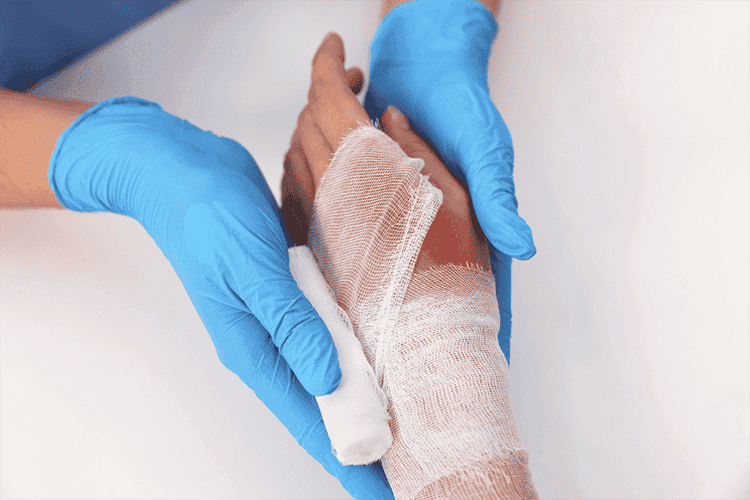
What to Do in the First Hour After a Burn Injury A burn injury can happen suddenly at home, at work, or outdoors. Whether caused by hot liquids, flames, steam, chemicals, or electricity, the first few minutes after a burn are extremely important. Taking the right steps immediately can help reduce tissue damage, relieve pain, and prevent complications. Knowing what to do—and what not to do—can make a significant difference while waiting for medical care. 1. Stop the Burning Process The first priority is to move away from the source of the burn and ensure that the person is no longer exposed to heat or flames. If clothing catches fire, remember Stop, Drop, and Roll. Once the flames are out, carefully remove clothing and jewellery near the affected area if they are not stuck to the skin. Do not pull away clothing that has become attached to the burn. 2. Cool the Burn With Cool Running Water For minor thermal burns, place the affected area under cool, clean running water for about 20 minutes, as soon as possible. This can help reduce heat in the skin and may limit further tissue damage. Avoid using ice or extremely cold water, as these can further injure the skin and cause additional tissue damage. If running water is not available, a clean, cool, wet cloth may be used temporarily. 3. Remove Tight Items Burned areas can swell quickly. If possible, gently remove rings, watches, bracelets, belts, or tight clothing near the injury before swelling develops. Do not remove anything that is stuck to the skin. 4. Protect the Burn After cooling, gently cover the affected area with a clean, non-stick dressing or sterile gauze. This helps protect the injured skin from contamination and friction. Avoid applying cotton wool directly to an open burn, as fibres can stick to the wound. 5. Do Not Apply Home Remedies Many traditional remedies can make a burn worse or interfere with medical treatment. Avoid applying: The safest immediate approach is to cool the burn with clean, cool running water and seek appropriate medical advice. 6. Do Not Break Blisters Blisters are the body’s natural protective response to a burn. Do not intentionally puncture or peel them, as this can increase the risk of infection. If a blister breaks on its own, keep the area clean and cover it with a suitable non-stick dressing. 7. Assess the Severity of the Burn Not every burn requires the same level of treatment. Seek urgent medical attention if the burn: If the person has difficulty breathing, confusion, severe weakness, or signs of shock, seek emergency medical help immediately. 8. Chemical Burns Require Special Care Chemical burns need prompt medical attention. If a chemical has come into contact with the skin, remove contaminated clothing carefully and rinse the affected area with plenty of running water. If the chemical has entered the eyes, flush the eyes continuously with clean running water and seek emergency medical care. Avoid trying to neutralise a chemical with another chemical, as this may cause additional injury. 9. Electrical Burns Should Always Be Evaluated Electrical injuries can cause damage beneath the skin that may not be immediately visible. They can also affect the heart and other internal organs. Make sure the electrical source is switched off before touching the injured person. Electrical burns should be assessed by a medical professional, even when the visible skin injury appears small. 10. When to Seek Medical Care Even if a burn initially appears minor, medical evaluation may be necessary if the injury is extensive, deep, painful, infected, or located in a sensitive area. Signs of possible infection include increasing redness, swelling, worsening pain, pus-like discharge, fever, or an unpleasant smell from the wound. Conclusion The first hour after a burn injury is a critical time for taking the right first-aid steps. Stop the burning process, cool the affected area with cool running water, remove tight items when possible, protect the wound, and avoid harmful home remedies. Most importantly, do not delay professional medical care for serious or extensive burns. Prompt treatment can help reduce complications, support healing, and improve long-term recovery. If you are unsure about the severity of a burn, it is always safer to seek medical advice promptly.