
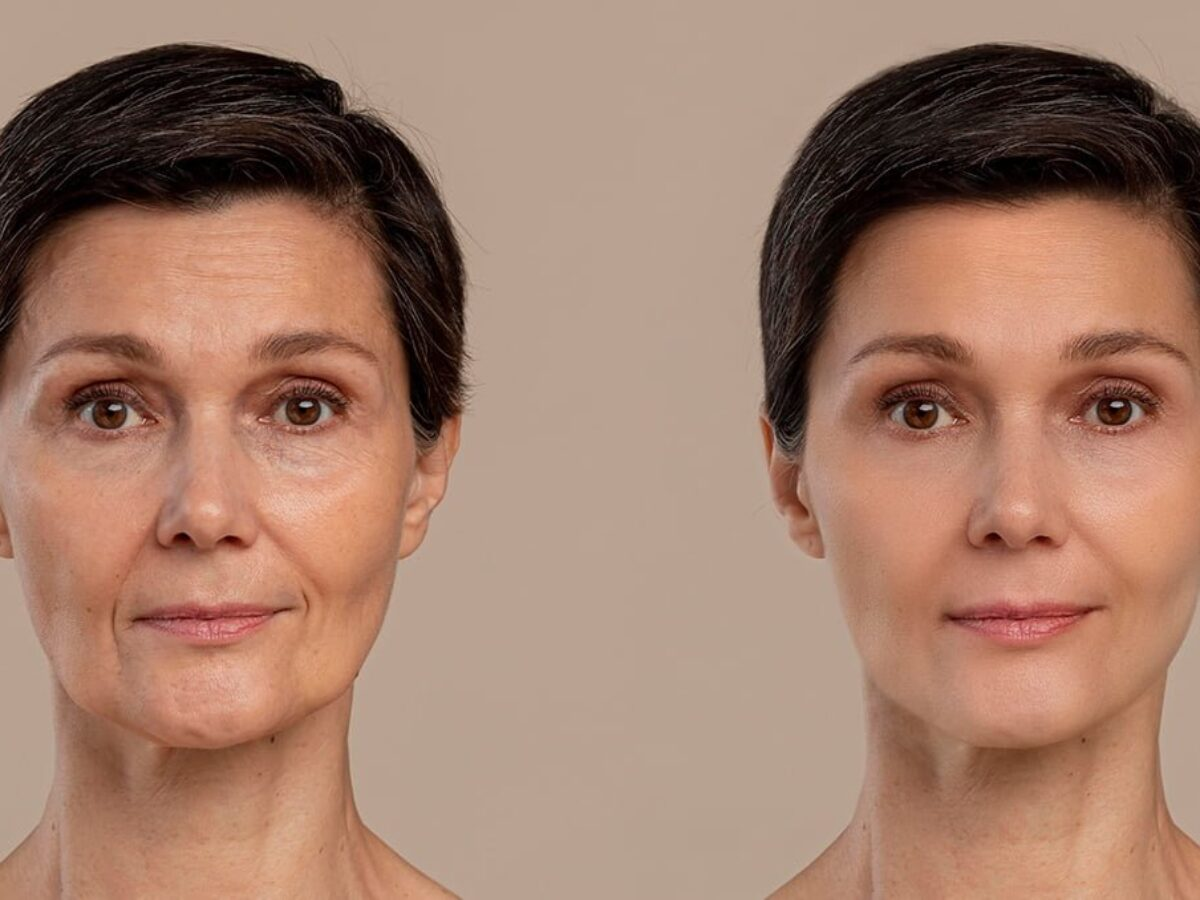
When Can I Return to Work After a Facelift?
When Can I Return to Work After a Facelift? A facelift is a surgical procedure designed to reduce visible signs of facial aging and create a firmer, more refreshed appearance. While many patients are eager to return to their normal routine after surgery, giving your body enough time to heal is an important part of achieving a good result. So, when can you return to work after a facelift? For most patients, returning to work takes around 2 to 3 weeks, although the exact timeline depends on the type of facelift, your healing process, and the nature of your job. What to Expect During the First Week The first week is generally focused on rest and recovery. Swelling, bruising, tightness and mild discomfort are common during this period. Your surgeon may also recommend keeping your head elevated while resting to help reduce swelling. You may have follow-up appointments during this period so your surgeon can monitor your healing and remove dressings, drains or sutures when appropriate. Because swelling and bruising are usually more noticeable during the first several days, most people do not feel ready to return to their regular workplace immediately. Returning to Work After 1–2 Weeks Some patients can return to work after about 7–14 days, particularly if they have a less physically demanding job and their recovery is progressing well. The International Society of Aesthetic Plastic Surgery notes that many patients can return to light activities or work within this timeframe. However, you may still have some visible bruising or swelling. If your work involves frequent meetings, customer interaction, public appearances or photography, you may prefer to allow additional recovery time. Returning to Work After 2–3 Weeks For a traditional or more extensive facelift, two to three weeks is a common timeframe for returning to work. By this point, much of the initial bruising and swelling has generally improved, although subtle swelling can remain. The American Society of Plastic Surgeons notes that many patients become presentable in approximately 10–14 days, but the face can continue feeling different for several weeks as healing progresses. Does Your Job Affect Your Recovery Time? Yes. Your occupation can make a significant difference. Desk or Office Jobs If your work primarily involves sitting at a desk or working on a computer, you may be able to return relatively sooner once your surgeon is satisfied with your healing. Customer-Facing Jobs If you regularly interact with customers, clients or the public, you may want to take additional time because bruising and swelling can still be noticeable after the first couple of weeks. Physically Demanding Jobs Jobs involving heavy lifting, frequent bending, strenuous movement or physical labor generally require a longer recovery period. Strenuous exercise and demanding physical activity are commonly restricted for at least several weeks after facelift surgery. What If You Work From Home? Working from home may allow some patients to resume light professional activities sooner, provided they feel comfortable and their surgeon permits it. However, working remotely does not mean your body has completely recovered. You should still prioritize rest, follow your postoperative instructions and avoid turning your work-from-home schedule into a full workload too soon. When Will Your Face Look More Normal? Returning to work and being completely healed are not the same thing. Bruising and swelling often improve substantially within 2–3 weeks, but residual swelling, tightness or changes in sensation can continue for longer. It may take several months for the face to feel completely normal and for the final result to become apparent. This is why planning adequate time away from work can make your recovery more comfortable and less stressful. Tips for a Smooth Return to Work Before scheduling your surgery, consider: The Bottom Line Most people can expect to return to work within 2–3 weeks after a traditional facelift, while some patients may be able to resume lighter work sooner. A mini-facelift or less invasive procedure may have a shorter downtime. However, recovery is highly individual. Your surgeon should determine when it is safe for you to return to work based on the extent of your surgery, your healing progress and the physical demands of your job. Remember: returning to work does not mean your healing is finished. Giving your face enough time to recover can help you protect your surgical results and avoid putting unnecessary stress on your body.