
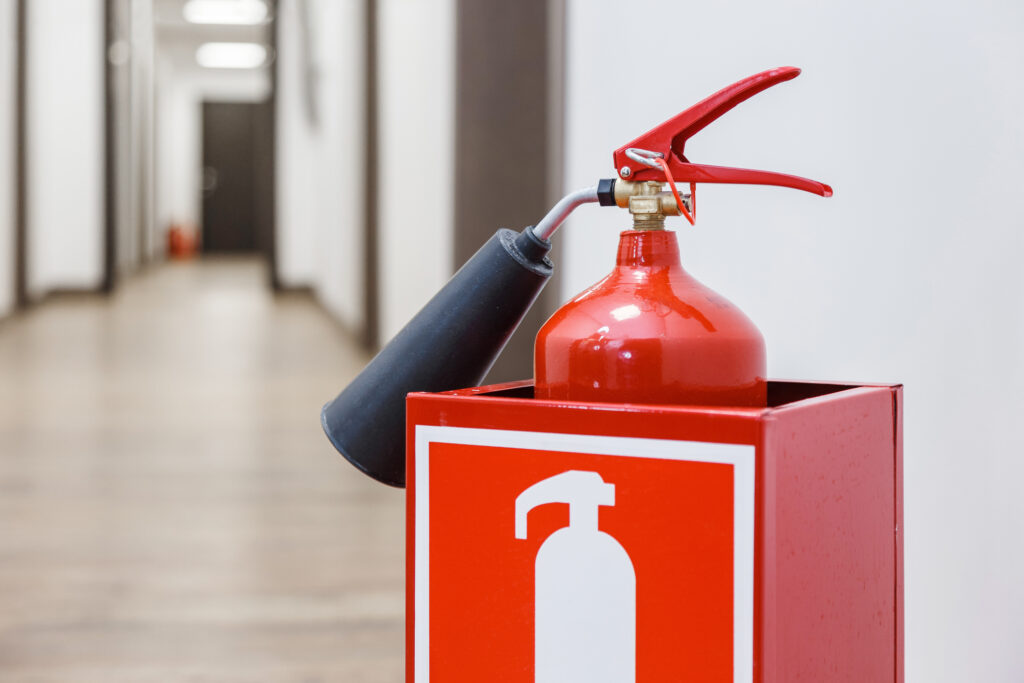
Centre Asks States to Put Fire Safety Measures at Health Care Facilities
Centre Asks States to Put Fire Safety Measures at Health Care Facilities Introduction The Central Government has directed all states and Union Territories to strengthen fire safety measures at health care facilities across the country. This step comes after several tragic fire incidents in hospitals that exposed serious safety lapses and put vulnerable lives at risk. The directive aims to ensure that hospitals, clinics, and medical institutions are better prepared to prevent and handle fire emergencies. Ensuring fire safety in health care settings is critical because hospitals house patients who may be immobile, elderly, critically ill, or dependent on life-support systems. In such environments, even a small fire can quickly turn into a life-threatening disaster. Why Fire Safety in Hospitals Is Crucial Health care facilities operate 24/7 and contain complex electrical systems, oxygen pipelines, medical gases, and flammable materials. These factors significantly increase the risk of fire hazards if proper safety protocols are not maintained. Unlike other buildings, hospitals cannot be evacuated easily. Patients in intensive care units, operation theatres, and neonatal wards require specialized care and equipment. Any delay in emergency response can result in severe consequences. Therefore, strong fire prevention systems, trained staff, and efficient evacuation plans are essential. Key Directions Issued to States The Centre has emphasized several critical measures that states must implement: 1. Regular Fire Safety Audits States have been instructed to conduct periodic fire safety and electrical audits in both public and private health care facilities. These audits help identify potential hazards such as faulty wiring, overloaded circuits, blocked exits, and non-functional fire equipment. 2. Installation and Maintenance of Safety Equipment Hospitals must ensure the availability of working fire extinguishers, smoke detectors, fire alarms, sprinkler systems, and fire hydrants. Regular maintenance and testing of these systems are equally important to ensure they function effectively during emergencies. 3. Staff Training and Mock Drills Medical and non-medical staff should be trained in fire prevention, emergency response, and evacuation procedures. Conducting regular mock drills ensures that everyone understands their role during a crisis and can respond quickly without panic. 4. Strict Compliance and Monitoring States are expected to monitor compliance with fire safety norms and ensure that health care facilities meet required standards. Non-compliance may lead to penalties or legal action to enforce accountability. Recent Concerns and the Need for Action In recent years, several hospital fire incidents across India have led to loss of lives and severe damage to infrastructure. Investigations often revealed lapses such as lack of fire safety certificates, non-functional alarm systems, poor emergency planning, and inadequate staff training. These incidents have highlighted the urgent need for a systematic and preventive approach rather than reactive measures after tragedies occur. Challenges in Implementation While the directive is a positive step, implementation remains a challenge in many regions. Smaller hospitals and rural health centres may struggle due to limited funding, outdated infrastructure, or lack of technical expertise. Upgrading facilities, conducting frequent inspections, and ensuring continuous monitoring require coordination between health departments, fire services, and local authorities. Budget allocation and strict enforcement will be key factors in successful implementation. The Way Forward To create safer health care environments, fire safety must become an integral part of hospital management rather than a one-time compliance exercise. Regular training, infrastructure upgrades, technological advancements, and transparent reporting systems can significantly reduce risks. Patient safety should always be the highest priority. By enforcing comprehensive fire safety measures, the Centre and states can work together to prevent avoidable tragedies and ensure that hospitals remain places of healing, not risk.