Scar Revision Surgery: Options for Acne, Burn, and Surgical Scars
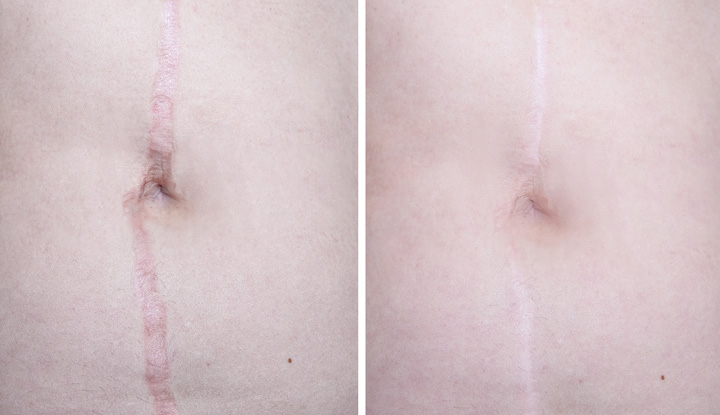
Scar Revision Surgery: Options for Acne, Burn, and Surgical Scars Scars are a natural part of the skin’s healing process, but they can sometimes become prominent, uneven, or uncomfortable. Whether caused by acne, burns, injuries, or previous surgeries, visible scars may affect a person’s confidence and overall appearance. Scar revision surgery is a group of treatments designed to improve the appearance, texture, and visibility of scars, helping the skin look smoother and more balanced. The choice of scar revision treatment depends on factors such as the type, size, location, age, and severity of the scar, as well as the individual’s skin type and healing pattern. Acne Scars Acne scars are among the most common types of scars and can range from shallow depressions to deeper, more defined marks. Treatments for acne scars may include procedures such as laser resurfacing, chemical peels, microneedling, subcision, dermabrasion, or surgical scar revision. In some cases, a combination of treatments may provide better results by addressing both the texture and depth of the scars. Burn Scars Burn scars can be more complex because they may involve changes in skin texture, pigmentation, and flexibility. Severe burn scars can sometimes cause tightness that restricts movement, particularly when they develop near joints. Depending on the condition, treatment options may include scar revision surgery, skin grafting, laser therapy, tissue expansion, or other reconstructive procedures. The goal is not only to improve the appearance of the scar but also to restore comfort, flexibility, and function when necessary. Surgical Scars Surgical scars can sometimes become wide, raised, sunken, or darker than the surrounding skin. Scar revision surgery may involve removing the old scar and carefully closing the wound to create a less noticeable scar. For some patients, non-surgical treatments such as silicone-based products, laser therapy, steroid injections, or microneedling may be recommended instead of surgery. What to Expect from Scar Revision During a consultation, a specialist evaluates the scar and discusses the most suitable treatment approach. Depending on the procedure, treatment may be performed under local or general anesthesia. Recovery time varies according to the type and extent of treatment. Patients may need to follow specific aftercare instructions, protect the treated area from sunlight, and attend follow-up appointments to support proper healing. It is important to understand that scar revision does not completely erase a scar. Instead, the objective is to make the scar less noticeable and improve its overall appearance, texture, or function. Results can vary from person to person, and multiple treatments may sometimes be required. Conclusion Scar revision surgery and advanced scar treatments can help improve the appearance of acne, burn, and surgical scars while, in certain cases, restoring skin flexibility and function. With the right diagnosis and personalized treatment plan, many patients can achieve a smoother and more natural-looking appearance. Consulting a qualified plastic surgeon or dermatologist is the first step toward choosing the most appropriate scar revision option for your individual needs.