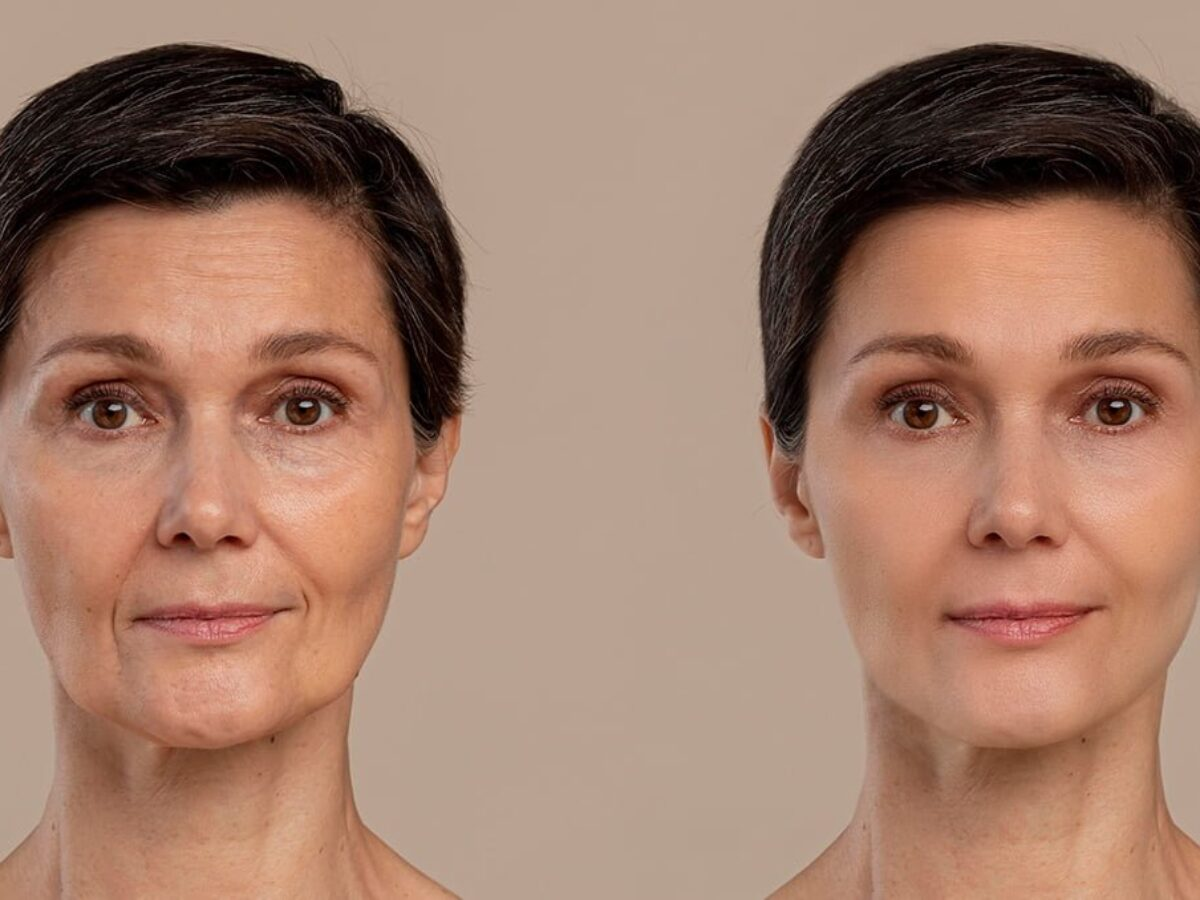

What Is a Deep Plane Facelift and Why Is It Superior?
What Is a Deep Plane Facelift and Why Is It Superior? Aging is a natural process, but changes in facial structure can gradually affect the appearance of the cheeks, jawline, and neck. Loss of skin elasticity, shifting facial tissues, and reduced volume can lead to sagging skin, jowls, deeper folds, and a less defined facial contour. A deep plane facelift is an advanced facial rejuvenation procedure designed to address these changes by repositioning deeper facial tissues rather than simply tightening the skin. What Is a Deep Plane Facelift? A deep plane facelift is a surgical facelift technique that works beneath the superficial muscular aponeurotic system (SMAS), allowing the surgeon to mobilize and reposition deeper facial tissues as a single anatomical unit. Instead of relying primarily on pulling the skin tighter, the procedure focuses on restoring the position of tissues that have shifted downward with age. This approach can address several areas of the lower and mid-face, including the cheeks, nasolabial folds, jowls, and jawline. Depending on the patient’s anatomy and treatment plan, a facelift may also be combined with procedures such as a neck lift, eyelid surgery, or fat grafting. How Does a Deep Plane Facelift Work? During the procedure, the surgeon creates carefully planned incisions, usually around the hairline and ears, to access the deeper facial tissue layers. The surgeon then releases specific retaining ligaments and repositions the deeper soft-tissue structures upward and, where appropriate, laterally. Once the underlying tissues have been repositioned, excess skin can be removed conservatively and the remaining skin redraped. The goal is to improve facial contours while maintaining natural facial movement and expression. Why Is the Deep Plane Facelift Considered Superior? The term “superior” should be understood in terms of the goals and anatomy of an individual patient rather than as a claim that deep plane surgery is universally better than every other facelift technique. Different facelift approaches can be appropriate for different patients. One reason surgeons may choose a deep plane approach is that it addresses deeper facial tissues rather than focusing primarily on the skin. This can produce improvement in areas such as the mid-face, cheek, jowls, and jawline. 1. Addresses Deeper Facial Tissue Aging affects more than the skin. The supporting tissues of the face can descend and change position over time. A deep plane facelift allows these deeper structures to be repositioned, which can help restore a more youthful facial contour. 2. Natural-Looking Facial Contours Because the technique focuses on repositioning tissues rather than simply pulling the skin, the goal is to create a smoother and more natural transition between facial areas. When appropriately performed, the result is intended to avoid an overly tight or “pulled” appearance. 3. Improves the Mid-Face and Lower Face One of the features of the deep plane approach is its ability to address the relationship between the cheek and lower face. It may improve cheek descent, nasolabial folds, jowls, and jawline definition in appropriately selected patients. 4. Can Provide Long-Lasting Improvement A facelift does not stop the natural aging process, but repositioning deeper facial tissues can provide lasting structural improvement. The longevity of results varies considerably between individuals and depends on factors such as age, skin quality, genetics, lifestyle, sun exposure, and the surgical technique used. 5. Preserves Facial Expression The objective of modern facelift surgery is not to eliminate natural facial movement. By carefully repositioning the appropriate tissues, surgeons aim to maintain natural facial expression while improving signs of facial aging. Who May Be a Candidate? A deep plane facelift may be considered for adults experiencing noticeable facial sagging, jowls, cheek descent, deep facial folds, or loss of jawline definition. Good candidates are generally in good overall health, have realistic expectations, and understand that facelift surgery is a surgical procedure with potential risks and recovery requirements. A consultation with a qualified plastic surgeon is essential because the most appropriate facelift technique depends on the individual’s facial anatomy, degree of aging, skin quality, and desired outcome. Deep Plane Facelift vs. Traditional Facelift Traditional facelift techniques and deep plane facelifts can both improve facial aging, but they differ in the tissues that are primarily manipulated. A traditional facelift may involve tightening or repositioning the SMAS layer along with removing and redraping excess skin. A deep plane facelift goes beneath the SMAS in selected areas and releases specific retaining ligaments so that deeper facial tissues can be repositioned. Neither technique is automatically appropriate for everyone. An experienced facial plastic or plastic surgeon should evaluate the patient’s anatomy before recommending an approach. What Is Recovery Like? Recovery varies from person to person. Swelling and bruising are common after facelift surgery and generally improve progressively during the first few weeks. Patients may need to limit strenuous physical activity for a period recommended by their surgeon. While many people notice improvements as swelling decreases, the final appearance can take several months to settle as the tissues heal and mature. Are There Risks? Like all surgical procedures, a deep plane facelift carries potential risks. These may include bleeding, infection, scarring, swelling, temporary or permanent nerve-related changes, asymmetry, wound-healing problems, and unsatisfactory aesthetic results. Although uncommon, more serious complications can also occur. Choosing a properly qualified and experienced surgeon and following postoperative instructions carefully can help reduce risks. Final Thoughts A deep plane facelift is an advanced surgical technique that focuses on repositioning deeper facial tissues rather than simply tightening the skin. It can provide meaningful improvement in facial sagging, cheek descent, jowls, and jawline definition for appropriately selected patients. However, there is no single facelift technique that is ideal for everyone. The best approach depends on your facial anatomy, degree of aging, skin characteristics, medical history, and aesthetic goals. A detailed consultation with a qualified plastic surgeon is the best way to determine whether a deep plane facelift is suitable for you. Considering a facelift? Speak with a qualified plastic surgeon to discuss your concerns, treatment options, expected results, recovery, and potential risks before making a decision.