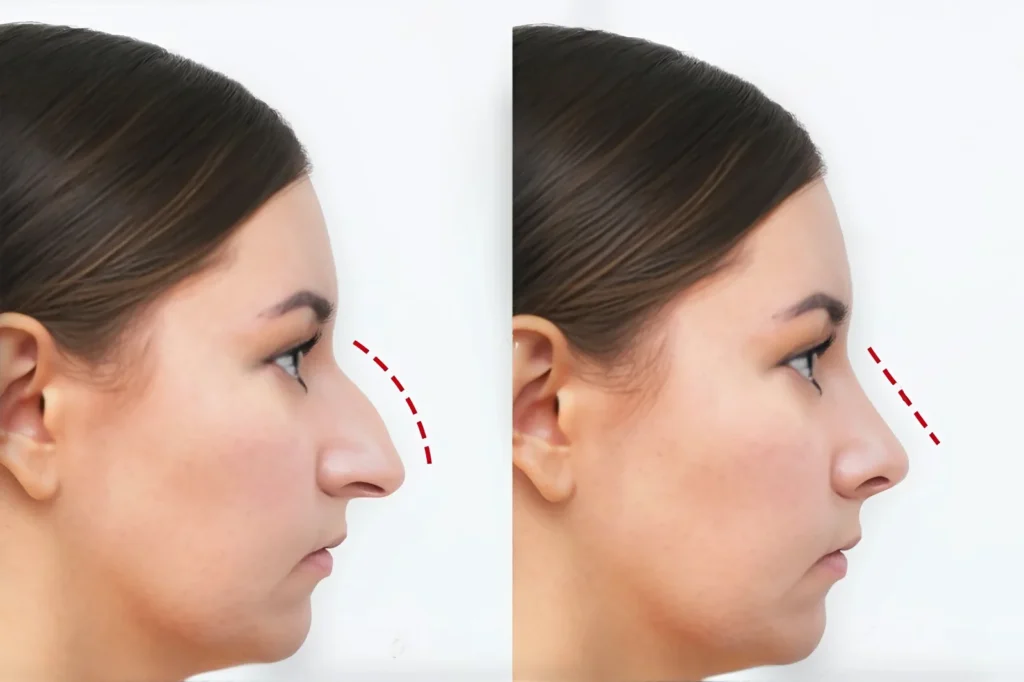
Hump Removal Rhinoplasty: Before, During, and After
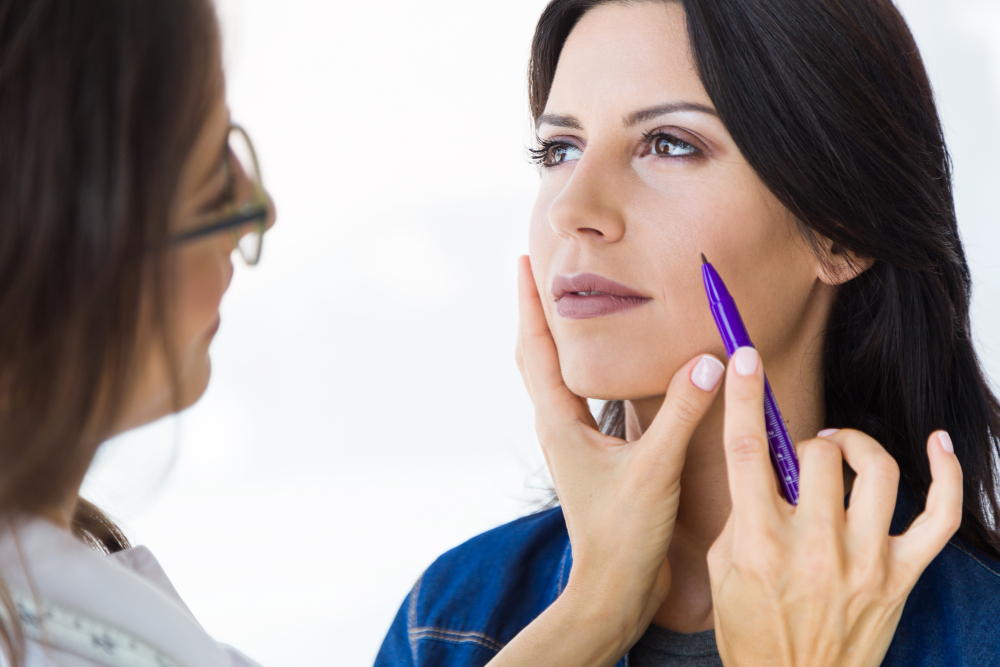
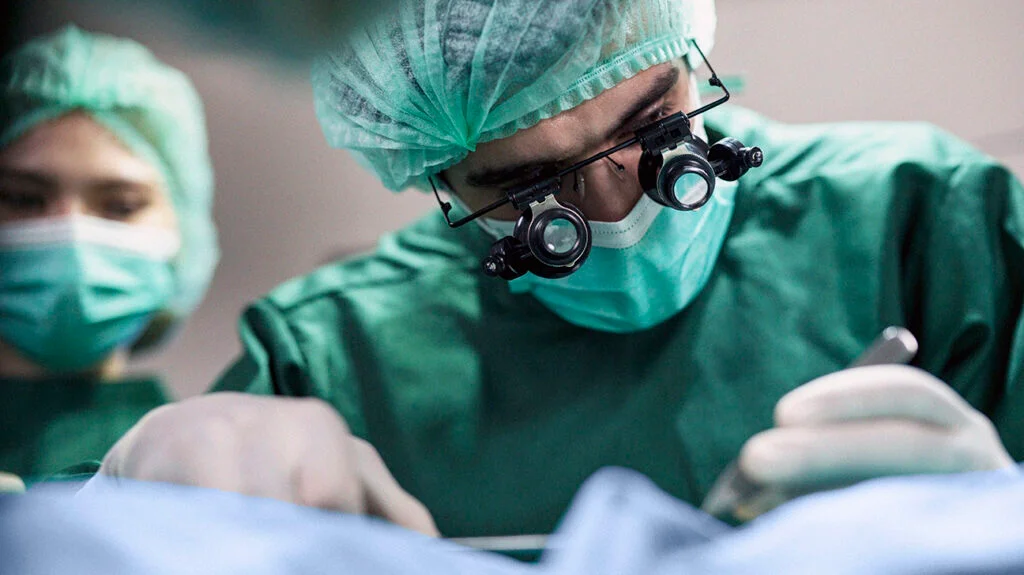
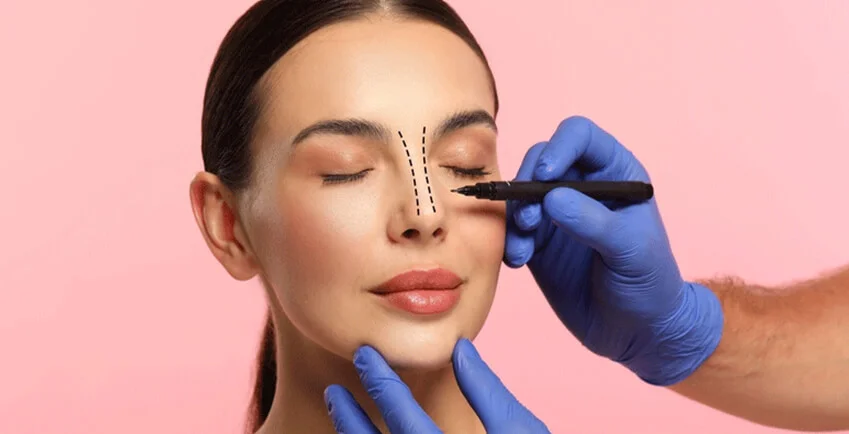
Hump Removal Rhinoplasty: Before, During, and After A prominent bump on the bridge of the nose can affect the overall facial profile and make some people feel self-conscious about their appearance. Hump removal rhinoplasty is a cosmetic nose surgery designed to smooth the nasal bridge, creating a more balanced and harmonious facial profile while preserving the natural character of the nose. Whether the nasal hump is inherited, caused by an injury, or related to the natural structure of the nose, rhinoplasty can help refine its shape. Understanding what happens before, during, and after the procedure can help patients make informed decisions about their treatment. What Is Hump Removal Rhinoplasty? Hump removal rhinoplasty, also known as dorsal hump reduction rhinoplasty, is a surgical procedure that reduces a visible bump on the bridge of the nose. The hump typically consists of a combination of bone and cartilage. Its prominence can vary from person to person, depending on genetics, nasal anatomy, previous injuries, and facial structure. The primary goal of this procedure is to create a smoother nasal bridge that complements the patient’s facial proportions. Depending on the individual’s anatomy, the surgeon may reshape the nasal bones, cartilage, or both. Hump removal rhinoplasty may also be combined with other procedures, such as nasal tip refinement, septoplasty, or correction of nasal asymmetry, when clinically appropriate. What Causes a Nasal Hump? A nasal hump can develop for several reasons: A consultation with a qualified plastic surgeon or facial plastic surgeon helps determine the underlying cause and whether surgery is suitable. Before Hump Removal Rhinoplasty Preparation is an important part of achieving a safe procedure and a natural-looking outcome. Before surgery, patients undergo a detailed assessment of their nasal structure, facial proportions, and medical history. 1. Initial Consultation and Facial Assessment During the consultation, the surgeon examines the nasal bridge, tip, septum, skin thickness, and overall facial symmetry. Patients can discuss what they would like to change about their nasal profile and explain any concerns about breathing or previous nasal injuries. Photographs and, in some practices, digital imaging may be used to discuss possible changes. These images are planning tools and do not guarantee a particular surgical result. 2. Medical Evaluation The surgeon reviews the patient’s medical history, current medications, allergies, and previous surgeries. A nasal examination may also assess whether a deviated septum, enlarged turbinates, or other structural issues are affecting breathing. Any necessary medical tests are determined according to the patient’s health and the planned procedure. 3. Preparing for Surgery Patients receive specific preoperative instructions based on their individual circumstances. Common recommendations may include: Following these instructions helps reduce avoidable risks and supports recovery. During Hump Removal Rhinoplasty Hump removal rhinoplasty is generally performed under general anaesthesia, although the anaesthesia plan depends on the procedure and the surgeon’s assessment. The operation commonly takes around one to three hours, depending on its complexity and whether additional nasal corrections are performed Step 1: Anaesthesia and Surgical Planning Once anaesthesia has been administered, the surgeon follows the preoperative surgical plan and carefully assesses the nasal structures. The approach may be open or closed rhinoplasty. The choice depends on the patient’s anatomy, the extent of correction required, and the surgeon’s preferred technique. Step 2: Removing the Nasal Hump The surgeon carefully reduces the prominent bone and cartilage along the nasal bridge using specialised surgical instruments. The amount of reduction depends on the shape of the nose, the patient’s goals, and the need to maintain adequate structural support. Rather than simply removing the bump, the surgeon must consider how the reduction will affect the width, contour, and stability of the nasal bridge. Step 3: Reshaping and Smoothing the Nasal Bridge After reducing the hump, the surgeon refines the nasal profile and addresses any irregularities. In some cases, controlled repositioning of the nasal bones, known as osteotomies, may be necessary to create a narrower or smoother bridge. Additional structural support or cartilage grafting may be considered when required to maintain nasal function and prevent unwanted changes in shape. Step 4: Closing the Incisions Once the desired structural adjustments have been completed, the incisions are closed where applicable. A nasal splint may be placed to support and protect the nose during the early healing period. Internal splints or packing may also be used in selected cases. Patients are monitored during recovery from anaesthesia and may go home the same day or stay overnight, depending on their condition and the surgical plan. After Hump Removal Rhinoplasty: Recovery and Results Recovery after rhinoplasty takes place gradually. While initial swelling and bruising generally improve within the first few weeks, subtle swelling can persist for several months. First Week: Swelling and Initial Healing During the first few days, patients may experience swelling, bruising around the eyes, nasal congestion, and mild discomfort. These symptoms are expected after surgery and generally improve with time. A nasal splint is often removed approximately five to seven days after surgery, although the timing varies. Patients should keep their head elevated, avoid strenuous activity, and follow their surgeon’s instructions regarding cleaning, medications, and nasal care. Weeks 2–4: Visible Improvement By the second or third week, much of the visible bruising and initial swelling has usually subsided. The nasal profile may begin to look smoother and more defined, although the nose may still appear swollen, particularly around the tip. Most patients can gradually return to normal daily activities according to their surgeon’s advice. Strenuous exercise, contact sports, and activities that risk injury to the nose should be avoided until the surgeon confirms they are safe. Months 1–3: Continued Refinement As the tissues heal, swelling continues to decrease and the nasal contours become more apparent. The bridge may appear relatively defined before the nasal tip has fully settled. Healing varies depending on skin thickness, surgical technique, and individual tissue response. Months 6–12: Final Results The nose continues to refine over several months. In many patients, the majority of swelling resolves within the first few months, but subtle changes can continue for a