
Author name: ETNS@011224_User

Chin Augmentation Surgery: Benefits, Procedure, Recovery & Results
ASthetic Excellence

Chin Augmentation: Enhancing Facial Balance

Chin Augmentation: Enhancing Facial Balance A well-defined chin plays a crucial role in creating a harmonious and balanced facial appearance. While many people focus on features like the eyes, nose, or lips, the chin quietly anchors the lower face and contributes significantly to overall symmetry. Chin augmentation is a cosmetic procedure designed to enhance the shape, size, and projection of the chin, helping individuals achieve a more proportionate and aesthetically pleasing look. What Is Chin Augmentation? Chin augmentation, also known as genioplasty, is a cosmetic procedure that improves the contour and structure of the chin. It can be performed using implants or by reshaping the existing bone. The goal is to create better facial balance, especially in relation to the nose, lips, and jawline. Why Consider Chin Augmentation? Many individuals opt for chin augmentation for both aesthetic and functional reasons. Some of the most common motivations include: Types of Chin Augmentation Procedures There are two primary approaches to chin enhancement: 1. Chin Implants This is the most common method, where a biocompatible implant is placed over the existing chin bone to improve projection and shape. The procedure is relatively quick and provides immediate, long-lasting results. 2. Sliding Genioplasty In this surgical procedure, the chin bone is cut and repositioned forward or backward, depending on the desired outcome. It is often recommended for patients with more complex structural concerns. The Procedure: What to Expect Chin augmentation is typically performed under local or general anesthesia, depending on the complexity. The surgeon makes a small incision either inside the mouth or under the chin to minimize visible scarring. Patients may experience mild swelling, bruising, or discomfort, which gradually subsides over time. Recovery and Results Recovery from chin augmentation is generally smooth when proper aftercare is followed. Patients are advised to: Visible improvements can be seen once swelling reduces, with final results appearing within a few months. The outcome is a more balanced, defined, and confident facial appearance. Risks and Considerations Like any surgical procedure, chin augmentation carries some risks, although they are relatively rare when performed by a qualified professional. Potential risks include: Choosing an experienced and board-certified plastic surgeon significantly reduces these risks. Who Is a Good Candidate? You may be a suitable candidate for chin augmentation if you: Final Thoughts Chin augmentation is a powerful yet often underestimated procedure that can dramatically enhance facial balance and confidence. By refining the proportions of the lower face, it helps create a more harmonious and attractive appearance. If you’re considering this treatment, consulting with a qualified plastic surgeon is the first step toward achieving your desired look.


Tummy Tuck Surgery: Benefits, Procedure, Cost & Recovery Guide
Surgery

Tummy Tuck Surgery: Benefits and Recovery Guide

Tummy Tuck Surgery: Benefits and Recovery Guide A tummy tuck, medically known as abdominoplasty, is a popular cosmetic procedure designed to create a firmer, flatter abdomen. Whether due to pregnancy, significant weight loss, or aging, many people experience loose skin and weakened abdominal muscles that cannot be corrected through diet and exercise alone. This surgery offers a long-term solution for improving abdominal contour and confidence. What Is a Tummy Tuck? A tummy tuck involves removing excess skin and fat from the abdominal area while tightening the underlying muscles. The result is a smoother, more toned midsection. Depending on your needs, surgeons may recommend: Key Benefits of Tummy Tuck Surgery 1. Flatter, Firmer AbdomenThe most noticeable benefit is a tighter and more sculpted stomach, especially after weight fluctuations or childbirth. 2. Improved PostureTightening weakened abdominal muscles can provide better spinal support, which may improve posture and reduce back discomfort. 3. Removal of Excess SkinLoose or sagging skin—often resistant to exercise—is permanently removed, enhancing body shape. 4. Reduction in Stretch MarksStretch marks located on the lower abdomen may be reduced or eliminated along with excess skin. 5. Boost in ConfidenceMany patients report improved self-esteem and body image after the procedure. Who Is an Ideal Candidate? You may be a good candidate for a tummy tuck if: The Recovery Process Recovery varies from person to person, but here’s a general timeline: First Week: 2–3 Weeks: 4–6 Weeks: After 8 Weeks: Tips for a Smooth Recovery Risks and Considerations Like any surgical procedure, a tummy tuck carries some risks, including: Choosing a qualified and experienced surgeon significantly reduces these risks. Final Thoughts A tummy tuck can be a transformative procedure for those struggling with excess abdominal skin and weakened muscles. While it’s not a substitute for weight loss or a healthy lifestyle, it can help you achieve a more defined and confident appearance when other methods fall short. If you’re considering this procedure, consult with a certified plastic surgeon to understand your options, expectations, and suitability.

Lip Enhancement Procedures for Fuller Lips: Best Options, Costs & Results
ASthetic Excellence, cosmetic Surgery, Surgery

Lip Enhancement Procedures for Fuller Lips

Lip Enhancement Procedures for Fuller Lips Full, well-defined lips have long been associated with beauty and confidence. With advances in cosmetic treatments, achieving fuller lips is more accessible and customizable than ever. Whether you’re looking for a subtle boost or a more dramatic transformation, there are several lip enhancement procedures to consider. Here’s a comprehensive guide to help you understand your options. Why People Choose Lip Enhancement Lip enhancement isn’t just about aesthetics—it can also restore volume lost with age, improve lip symmetry, and enhance overall facial balance. Some people want a natural, hydrated look, while others prefer a more defined or plump appearance. Non-Surgical Lip Enhancement Options 1. Lip Fillers (Dermal Fillers) Dermal fillers are the most popular non-surgical option for fuller lips. These injectable treatments typically use hyaluronic acid, a substance naturally found in the body. Benefits: Considerations: 2. Lip Flip A lip flip involves injecting a small amount of Botox into the upper lip to relax the muscles, allowing the lip to roll slightly outward. Benefits: Considerations: 3. Lip Plumping Treatments These include topical products or minimally invasive procedures designed to temporarily enhance lip fullness. Benefits: Considerations: Surgical Lip Enhancement Options 1. Lip Implants Lip implants involve inserting soft, flexible implants into the lips for a permanent increase in volume. Benefits: Considerations: 2. Fat Transfer (Fat Grafting) This procedure uses fat from another part of your body (like the abdomen or thighs) and injects it into the lips. Benefits: Considerations: 3. Lip Lift Surgery A lip lift shortens the space between the nose and upper lip, creating a more lifted and fuller appearance. Benefits: Considerations: Choosing the Right Option The best lip enhancement procedure depends on your goals, budget, and tolerance for downtime. If you want flexibility and minimal commitment, non-surgical options like fillers are ideal. For long-term or permanent results, surgical procedures may be worth considering. Before making a decision, it’s important to: Aftercare and Maintenance Proper aftercare ensures the best results: Final Thoughts Lip enhancement procedures offer a range of possibilities—from subtle definition to dramatic volume. With the right approach and expert guidance, you can achieve fuller, natural-looking lips that complement your features and boost your confidence.

Chin Augmentation: Enhance Facial Balance & Define Your Jawline
ASthetic Excellence, cosmetic Surgery

Chin Augmentation: Enhancing Facial Balance

Chin Augmentation: Enhancing Facial Balance Facial harmony plays a powerful role in how we perceive beauty, confidence, and even personality. Among the many features that contribute to a balanced appearance, the chin is often overlooked—yet it has a significant impact on overall facial proportions. Chin augmentation has become an increasingly popular option for individuals seeking subtle yet meaningful improvements in their appearance. What Is Chin Augmentation? Chin augmentation is a cosmetic procedure designed to reshape, enhance, or redefine the chin. The goal is not to create a dramatic transformation, but rather to bring the chin into better proportion with the rest of the face. This can improve the profile, define the jawline, and create a more symmetrical look. There are two primary approaches: Each method offers different benefits depending on the individual’s goals, anatomy, and desired level of permanence. Why the Chin Matters in Facial Balance The chin anchors the lower third of the face. When it is too small, recessed, or asymmetrical, it can make other features—like the nose or forehead—appear more prominent than they actually are. A well-proportioned chin helps: Even minor adjustments to the chin can produce noticeable improvements without altering a person’s natural look. Surgical Chin Augmentation Surgical chin augmentation typically involves placing a biocompatible implant over the existing bone. This procedure is often recommended for individuals seeking a permanent solution or more significant structural change. Benefits: Considerations: Non-Surgical Chin Augmentation For those not ready to commit to surgery, injectable fillers provide a temporary but effective alternative. These treatments involve strategically placing filler material to enhance projection and shape. Benefits: Considerations: Who Is a Good Candidate? Chin augmentation may be suitable for individuals who: A consultation with a qualified professional is essential to determine the best approach based on facial structure and personal goals. Recovery and Results Recovery depends on the type of procedure. Surgical patients may experience swelling and mild discomfort for a few weeks, while filler patients can typically return to normal activities almost immediately. Results—whether temporary or permanent—are usually subtle but impactful. The aim is enhancement, not alteration, preserving the individual’s natural identity while refining proportions. Final Thoughts Chin augmentation is a powerful yet understated way to improve facial harmony. By focusing on balance rather than transformation, this procedure can enhance confidence and create a more refined appearance. Whether through surgical or non-surgical methods, the key is a personalized approach that respects each person’s unique features. As with any cosmetic procedure, thoughtful consideration and expert guidance are crucial to achieving the best results.

Eyelid Surgery (Blepharoplasty): Cost, Benefits & Recovery Guide for Youthful Eyes
ASthetic Excellence

Eyelid Surgery (Blepharoplasty): A Solution for Tired Eyes

Eyelid Surgery (Blepharoplasty): A Solution for Tired Eyes Our eyes are often the first feature people notice—and also the first to show signs of aging. Droopy eyelids, puffiness, and under-eye bags can make you look older, fatigued, or even unwell, even when you feel perfectly fine. Eyelid surgery, medically known as blepharoplasty, is a highly effective cosmetic procedure designed to rejuvenate the eye area and restore a more youthful, refreshed appearance. What is Blepharoplasty? Blepharoplasty is a surgical procedure that removes excess skin, fat, and sometimes muscle from the upper and/or lower eyelids. It is commonly performed for both cosmetic and functional reasons. While many people choose this procedure to enhance their appearance, it can also improve vision in cases where sagging upper eyelids obstruct sight. Why Do Eyelids Start Looking Tired? As we age, the skin loses elasticity and the muscles supporting the eyelids weaken. This leads to: Lifestyle factors such as stress, lack of sleep, sun exposure, and genetics can accelerate these changes. Types of Eyelid Surgery 1. Upper Eyelid SurgeryThis focuses on removing excess skin and fat from the upper eyelids. It helps: 2. Lower Eyelid SurgeryThis targets under-eye bags and wrinkles by repositioning or removing fat and tightening the skin. 3. Double Eyelid Surgery (Asian Blepharoplasty)A specialized procedure that creates a defined crease in the upper eyelid. The Procedure: What to Expect Blepharoplasty is usually performed under local anesthesia with sedation or general anesthesia, depending on the case. The surgeon makes precise incisions along the natural creases of the eyelids to minimize visible scarring. Excess tissue is then removed or repositioned before closing the incisions carefully. The surgery typically takes 1–2 hours, and most patients can go home the same day. Recovery and Aftercare Recovery from eyelid surgery is relatively quick compared to many other cosmetic procedures. Common post-surgery experiences: Recovery tips: Most people return to normal activities within 7–10 days, with full healing over a few weeks. Benefits of Blepharoplasty The results are long-lasting, making it a worthwhile investment for many individuals. Who is an Ideal Candidate? You may be a good candidate for blepharoplasty if you: Risks and Considerations Like any surgical procedure, blepharoplasty carries some risks, though they are rare when performed by a qualified surgeon. Possible risks include infection, dry eyes, scarring, or temporary blurred vision. Choosing an experienced and certified surgeon significantly reduces these risks and ensures optimal results. Final Thoughts Eyelid surgery is more than just a cosmetic enhancement—it’s a way to restore confidence and achieve a naturally refreshed look. If your eyes constantly make you appear tired despite adequate rest, blepharoplasty could be the solution you’ve been looking for. Before making a decision, consult with a qualified specialist who can evaluate your needs and guide you through the process. With the right care and expertise, you can achieve brighter, more youthful eyes that reflect how you truly feel.

Facelift Surgery: Benefits, Procedure, Recovery & Cost Guide
ASthetic Excellence

Facelift Surgery: Benefits, Procedure, and Recovery

Facelift Surgery: Benefits, Procedure, and Recovery Facelift surgery, medically known as Rhytidectomy, is a popular cosmetic procedure designed to reduce visible signs of aging on the face and neck. As people age, skin loses elasticity, muscles weaken, and fat deposits shift—leading to sagging skin, wrinkles, and a tired appearance. A facelift helps restore a more youthful, refreshed look. What is a Facelift? A facelift is a surgical procedure that tightens and lifts facial tissues, removes excess skin, and repositions underlying muscles to improve facial contours. It mainly targets: Benefits of Facelift Surgery 1. Youthful Appearance Facelift surgery significantly reduces wrinkles and sagging, making you look younger and more refreshed. 2. Long-Lasting Results Unlike non-surgical treatments, facelift results can last for several years, depending on lifestyle and skin condition. 3. Improved Confidence Many patients experience a boost in self-esteem after achieving a more youthful look. 4. Natural-Looking Results Modern techniques ensure subtle, natural outcomes rather than an overly “tight” or artificial appearance. Facelift Procedure: Step-by-Step 1. Consultation The process begins with a detailed consultation where the surgeon evaluates your facial structure, skin condition, and discusses your goals. 2. Anesthesia Facelift surgery is typically performed under general anesthesia or local anesthesia with sedation. 3. Incision Incisions are usually made along the hairline and around the ears to minimize visible scarring. 4. Tissue Repositioning The surgeon lifts and tightens underlying tissues and muscles, redistributes fat, and removes excess skin. 5. Closure Incisions are carefully closed with sutures or skin adhesives for minimal scarring. Recovery After Facelift Surgery First Few Days 1–2 Weeks 3–4 Weeks Full Recovery Complete healing may take a few months, with final results becoming more visible over time. Risks and Considerations Like any surgical procedure, facelift surgery carries some risks, including: Choosing a qualified and experienced surgeon significantly reduces these risks. Who is an Ideal Candidate? You may be a good candidate for a facelift if you: Final Thoughts Facelift surgery is an effective solution for those looking to reverse visible signs of aging and regain a youthful appearance. With advancements in cosmetic surgery, the procedure is safer and delivers more natural-looking results than ever before. However, it is important to consult with a qualified professional to understand the best approach tailored to your needs. If you’re considering a facelift, take time to research, consult experts, and weigh the benefits and risks carefully before making a decision.

Rhinoplasty (Nose Surgery): Procedure, Benefits, Cost & Recovery Guide
Rhinoplasty

Rhinoplasty (Nose Surgery): Everything You Need to Know

Rhinoplasty (Nose Surgery): Everything You Need to Know Rhinoplasty, commonly known as a “nose job,” is one of the most popular cosmetic surgical procedures worldwide. It is performed to reshape or reconstruct the nose for aesthetic improvement or to correct functional issues such as breathing difficulties. Whether you are considering rhinoplasty for cosmetic reasons or medical necessity, understanding the procedure is essential. What is Rhinoplasty? Rhinoplasty is a surgical procedure that changes the shape, size, or structure of the nose. It can enhance facial harmony, correct birth defects, repair injuries, or improve breathing problems caused by structural issues like a deviated septum. Types of Rhinoplasty 1. Cosmetic Rhinoplasty This type focuses on improving the appearance of the nose. It may involve: 2. Functional Rhinoplasty Performed to improve breathing by correcting internal nasal structures such as a deviated septum. 3. Revision Rhinoplasty A secondary procedure done to correct or improve the results of a previous rhinoplasty. 4. Reconstructive Rhinoplasty Used to restore the nose after trauma, injury, or medical conditions such as cancer. Who is a Good Candidate? You may be a good candidate for rhinoplasty if: The Procedure Rhinoplasty is typically performed under general or local anesthesia. The surgeon may use one of two approaches: The surgeon then reshapes the bone, cartilage, or both to achieve the desired result. Recovery and Healing Recovery varies from person to person, but generally: Patients are advised to avoid strenuous activities and protect their nose during the healing phase. Risks and Complications Like any surgery, rhinoplasty carries some risks, including: Choosing an experienced surgeon significantly reduces these risks. Benefits of Rhinoplasty Cost of Rhinoplasty The cost of rhinoplasty varies depending on: In India, the cost typically ranges from ₹50,000 to ₹2,50,000 or more. Final Thoughts Rhinoplasty is a highly personalized procedure that can bring both aesthetic and functional improvements. However, it is important to have a detailed consultation with a qualified plastic surgeon to discuss your goals, expectations, and potential outcomes. If you are considering rhinoplasty, take time to research, ask questions, and make an informed decision. A well-planned surgery can significantly enhance both your appearance and quality of life.

How Cosmetic Surgery Improves Confidence and Self-Image | Benefits & Insights
Uncategorized

How Cosmetic Surgery Can Improve Confidence and Self-Image

How Cosmetic Surgery Can Improve Confidence and Self-Image In today’s appearance-conscious world, confidence often goes hand in hand with how we feel about our physical appearance. While true self-worth comes from within, there’s no denying that feeling comfortable in your own skin can significantly boost your confidence. This is where cosmetic surgery plays an important role—not just in enhancing physical features, but also in improving self-image and emotional well-being. Understanding Cosmetic Surgery Cosmetic surgery focuses on enhancing a person’s appearance through surgical and medical techniques. Popular procedures include rhinoplasty (nose reshaping), liposuction, breast augmentation, facelifts, and more. Unlike reconstructive surgery, which addresses medical issues, cosmetic procedures are primarily elective and aesthetic-driven. The Link Between Appearance and Confidence Our appearance often influences how we perceive ourselves and how others perceive us. When someone feels unhappy about a particular feature—such as their nose, skin, or body shape—it can lead to self-consciousness, social anxiety, and even low self-esteem. Cosmetic surgery can help address these concerns by aligning a person’s physical appearance with their desired look, thereby improving their self-confidence. Key Ways Cosmetic Surgery Improves Confidence 1. Enhancing Physical Appearance One of the most obvious benefits of cosmetic surgery is improved appearance. When individuals see a positive change in their looks, it can lead to increased satisfaction and pride in their appearance. 2. Boosting Self-Esteem Correcting perceived imperfections can significantly improve how individuals feel about themselves. Whether it’s removing excess fat or reshaping facial features, these changes often lead to a stronger sense of self-worth. 3. Reducing Social Anxiety Many people avoid social situations due to insecurities about their appearance. After undergoing cosmetic procedures, individuals often feel more confident interacting with others, attending events, and expressing themselves freely. 4. Improving Mental Well-being Feeling good about your appearance can have a direct impact on mental health. Increased confidence can reduce stress, anxiety, and even symptoms of depression in some cases. 5. Encouraging a Positive Lifestyle After cosmetic surgery, many individuals feel motivated to maintain their results through healthier habits such as regular exercise, balanced diet, and proper skincare. Important Considerations Before Choosing Cosmetic Surgery While cosmetic surgery offers many benefits, it’s important to approach it with realistic expectations and proper research. Is Cosmetic Surgery Right for You? Cosmetic surgery is a personal decision. It can be life-changing for many, but it’s not a solution for deep-rooted self-esteem issues. Consulting with professionals and understanding your motivations is key to achieving satisfying results. Conclusion Cosmetic surgery can be a powerful tool for improving confidence and self-image when approached responsibly. By enhancing physical appearance and addressing personal insecurities, it helps individuals feel more comfortable, confident, and empowered in their daily lives. However, the true goal should always be self-acceptance and overall well-being. Cosmetic procedures should complement your confidence—not define it.

Cosmetic Surgery vs Plastic Surgery: Key Differences Explained Clearly
cosmetic Surgery

Cosmetic Surgery vs Plastic Surgery: What’s the Difference?

Cosmetic Surgery vs Plastic Surgery: What’s the Difference? When people hear the terms cosmetic surgery and plastic surgery, they often assume they mean the same thing. While both fields involve enhancing or reconstructing the human body, they are actually quite different in purpose, training, and procedures. Understanding these differences can help you make more informed decisions if you’re considering a surgical procedure. What is Plastic Surgery? Plastic surgery is a broad medical specialty focused on reconstructing and restoring physical form and function. It is often performed to correct abnormalities caused by: Plastic surgeons are trained to improve both function and appearance, ensuring that the affected area works properly while also looking as natural as possible. Common Plastic Surgery Procedures: What is Cosmetic Surgery? Cosmetic surgery, on the other hand, is primarily focused on enhancing appearance. These procedures are usually elective, meaning they are not medically necessary but are chosen by individuals who want to improve their looks or boost confidence. Common Cosmetic Surgery Procedures: Cosmetic surgery can be performed on various parts of the body, including the face, neck, and body. Key Differences Between Cosmetic and Plastic Surgery Aspect Plastic Surgery Cosmetic Surgery Purpose Reconstruction and restoration Aesthetic enhancement Medical Necessity Often medically required Usually elective Focus Function + appearance Appearance only Training Specialized in reconstructive techniques Focus on aesthetic procedures Insurance Often covered Rarely covered Overlap Between the Two Interestingly, there is some overlap between cosmetic and plastic surgery. For example, a procedure like rhinoplasty can be performed to improve breathing (plastic surgery) or to enhance the shape of the nose (cosmetic surgery). Many plastic surgeons are also trained in cosmetic procedures, but not all cosmetic surgeons have formal training in plastic surgery. Which One Should You Choose? Choosing between cosmetic and plastic surgery depends on your goals: It’s crucial to consult a qualified and board-certified surgeon who understands your needs and can guide you safely through the process. Final Thoughts While cosmetic and plastic surgery are closely related, they serve different purposes. Plastic surgery focuses on restoring function and correcting defects, while cosmetic surgery is all about improving appearance. Knowing the difference ensures you choose the right procedure—and the right surgeon—for your needs.

Liposuction procedure
Liposuction Surgery

Liposuction: How It Works and Who Should Consider It

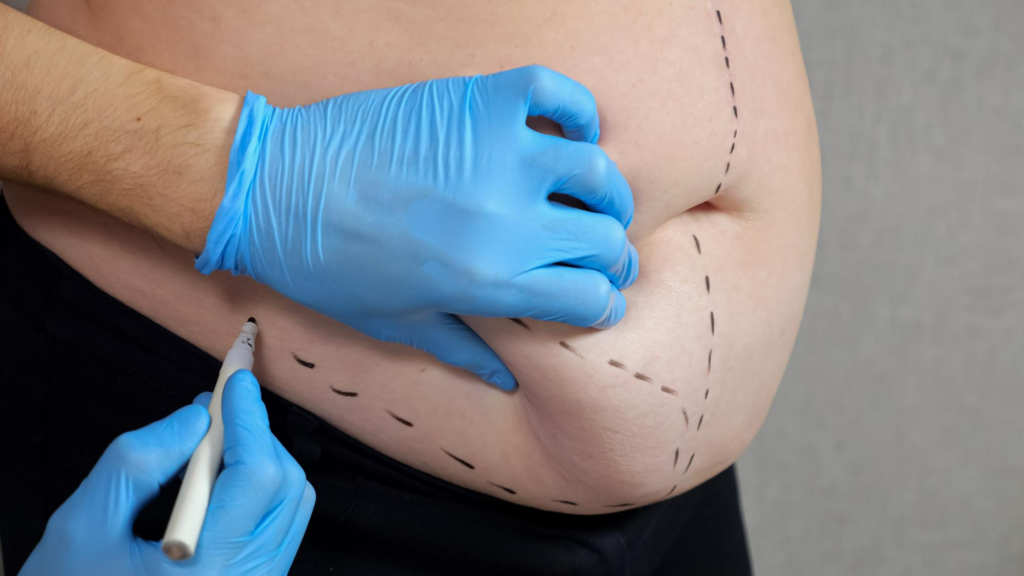
Liposuction: How It Works and Who Should Consider It Liposuction is one of the most popular cosmetic procedures worldwide, designed to remove stubborn fat deposits that don’t respond to diet and exercise. While it’s not a weight-loss solution, it can significantly enhance body contours and boost confidence when done correctly. What is Liposuction? Liposuction is a surgical procedure that removes excess fat from specific areas of the body such as the abdomen, thighs, hips, arms, back, and chin. It is commonly chosen by individuals who are close to their ideal body weight but struggle with localized fat pockets. How Does Liposuction Work? The procedure involves several key steps: 1. AnesthesiaDepending on the area and extent of fat removal, local or general anesthesia is administered to ensure patient comfort. 2. Small IncisionsTiny incisions are made in the targeted area to allow the insertion of a thin tube called a cannula. 3. Fat BreakdownThe fat is loosened using techniques such as: 4. Fat RemovalThe loosened fat is suctioned out through the cannula, sculpting the body into a more defined shape. Areas Commonly Treated Who Should Consider Liposuction? Liposuction is suitable for individuals who: It is important to note that liposuction is not a treatment for obesity or a substitute for a healthy lifestyle. Who Should Avoid Liposuction? You may not be an ideal candidate if you: Benefits of Liposuction Risks and Considerations Like any surgical procedure, liposuction comes with potential risks: Choosing a qualified and experienced surgeon significantly reduces these risks. Recovery and Results Recovery time varies depending on the extent of the procedure. Most patients can return to normal activities within a few weeks, although swelling may take longer to subside. Final results are usually visible after a few months. Maintaining a healthy diet and regular exercise routine is essential to preserve the results. Final Thoughts Liposuction can be an effective solution for refining body shape and removing stubborn fat, but it’s important to approach it with realistic expectations. Consulting with a certified cosmetic surgeon is the best way to determine whether this procedure is right for you. If you’re considering liposuction, focus on overall health and long-term lifestyle changes to maximize and maintain your results.

Scroll to Top