
Author name: ETNS@011224_User

Hair Transplant in Odisha for Men
Hair Transplant

Hair Transplant Advances: Fullness for Odisha Men

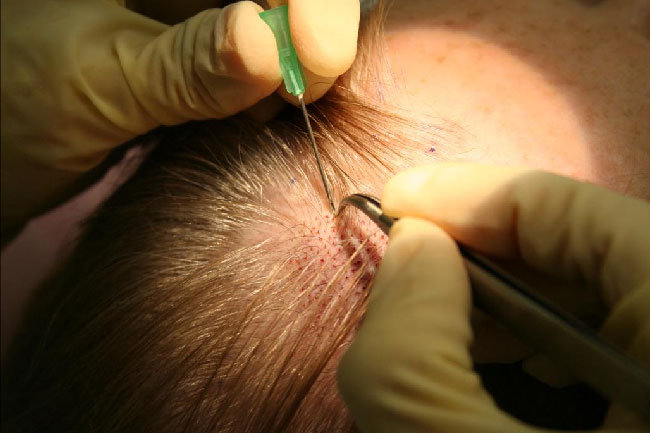
Hair Transplant Advances: Fullness for Odisha Men Introduction Hair loss is no longer a silent struggle for men in Odisha. With rapid advancements in medical technology, modern hair transplant procedures are delivering natural-looking, long-lasting results. Today, men across cities like Bhubaneswar are embracing these solutions to restore confidence and regain a youthful appearance. Understanding Hair Loss in Men Hair loss can occur due to multiple reasons, including: Conditions like Androgenetic Alopecia are the most common cause among men, leading to gradual thinning and receding hairlines. Modern Hair Transplant Techniques Gone are the days of unnatural “pluggy” results. Today’s procedures are precise, minimally invasive, and highly effective. 1. Follicular Unit Extraction (FUE) Follicular Unit Extraction is one of the most popular techniques. It involves extracting individual hair follicles and implanting them into thinning areas. Benefits: 2. Follicular Unit Transplantation (FUT) Follicular Unit Transplantation involves removing a strip of scalp and dissecting it into grafts. Best for: 3. PRP Therapy (Platelet-Rich Plasma) Platelet-Rich Plasma Therapy is often combined with transplants to enhance results. It uses the patient’s own blood plasma to stimulate hair growth and strengthen follicles. Why Odisha Men Are Opting for Hair Transplants The demand for hair restoration in Odisha has grown significantly due to: Men are no longer hesitant—hair restoration is now seen as a smart investment in self-care. What to Expect During the Procedure A typical hair transplant journey includes: Most patients can return to normal activities within a week. Results and Recovery The outcome is permanent and blends seamlessly with natural hair. Choosing the Right Clinic When selecting a clinic in Bhubaneswar or nearby areas, consider: A well-equipped clinic ensures both safety and optimal results. Conclusion Hair transplant advancements have made it easier than ever for men in Odisha to regain their hair and confidence. With modern techniques like Follicular Unit Extraction and supportive therapies such as Platelet-Rich Plasma Therapy, achieving natural fullness is now a reality. If hair loss has been affecting your confidence, this could be the right time to explore safe and effective solutions tailored to your needs.

Facelift Secrets for Natural Youthful Skin | Subtle Anti-Aging Solutions
ASthetic Excellence

Facelift Secrets: Youthful Skin Without Overdoing It

Facelift Secrets: Youthful Skin Without Overdoing It In today’s world of aesthetic enhancements, the desire for youthful, refreshed skin is stronger than ever. However, the modern approach to facelifts has shifted dramatically—from dramatic transformations to subtle, natural-looking results. The goal is no longer to “look different,” but to look like a fresher, more rested version of yourself. So, what are the real secrets to achieving youthful skin without overdoing it? 1. Less Is More: The Art of Subtle Enhancement One of the biggest trends in cosmetic procedures is natural rejuvenation. Overly tight skin or exaggerated features can make results obvious and unnatural. Skilled surgeons now focus on restoring volume, tightening only where necessary, and preserving facial expressions. The idea is enhancement, not alteration. 2. Personalized Treatment Plans No two faces age the same way. Factors like genetics, lifestyle, and skin type all play a role. A good facelift strategy is customized, addressing specific concerns such as sagging skin, loss of volume, or deep wrinkles. This tailored approach ensures balanced and harmonious results. 3. Combination Treatments for Better Results A facelift alone may not be enough to achieve optimal results. Many experts recommend combining procedures such as: These complementary treatments help create a more complete and natural rejuvenation. 4. Focus on Skin Quality Youthful skin isn’t just about tightness—it’s about texture, tone, and glow. Maintaining good skin health through hydration, sun protection, and proper skincare routines is essential. Treatments like chemical peels and laser therapy can also improve skin quality alongside a facelift. 5. Avoid the “Overdone” Look One common mistake is going too far with procedures. Over-tightening or excessive filler use can lead to an artificial appearance. The key is moderation and working with an experienced professional who understands facial anatomy and aesthetics. 6. Recovery and Aftercare Matter Even the best facelift can fall short without proper aftercare. Following your doctor’s advice, maintaining a healthy lifestyle, and giving your skin time to heal are crucial steps in achieving long-lasting, natural results. 7. Choose the Right Surgeon The success of any cosmetic procedure depends largely on the expertise of the surgeon. Look for a qualified and experienced professional who prioritizes natural outcomes and patient safety. Final Thoughts A facelift should enhance your natural beauty, not redefine it. By focusing on subtle improvements, personalized care, and overall skin health, you can achieve a youthful, refreshed look without appearing “overdone.” Remember, the best results are the ones that make people say, “You look great!”—without knowing exactly why.

Diabetic Foot Care: Prevent Amputations with Early Care & Local Treatment
medicine

Diabetic Foot Care: Preventing Amputations Locally

Diabetic Foot Care: Preventing Amputations Locally Foot complications are one of the most serious and often overlooked consequences of Diabetes Mellitus. In India, where diabetes cases are rapidly rising, poor foot care frequently leads to infections, ulcers, and in severe cases, amputations. The good news is that most of these complications are preventable with proper awareness, early detection, and timely treatment. Why Diabetic Foot Care Matters People with diabetes are at higher risk of developing nerve damage (neuropathy) and poor blood circulation. This combination can make even a small cut or blister turn into a serious wound without the person noticing it. Over time, untreated wounds can lead to infections, tissue damage, and ultimately amputation. Local awareness and access to preventive care can dramatically reduce these risks. Common Causes of Diabetic Foot Problems Early Warning Signs to Watch Recognizing symptoms early can save limbs and lives: If any of these signs appear, immediate medical consultation is crucial. Practical Foot Care Tips 1. Daily Foot Inspection Check your feet every day for cuts, redness, swelling, or nail problems. Use a mirror if needed. 2. Keep Feet Clean and Dry Wash feet daily with lukewarm water and mild soap. Dry thoroughly, especially between toes. 3. Moisturize Carefully Apply lotion to prevent cracking, but avoid areas between toes to reduce infection risk. 4. Wear Proper Footwear Choose comfortable, well-fitted shoes that protect your feet. Avoid walking barefoot, even at home. 5. Trim Nails Safely Cut nails straight across and avoid cutting too deep to prevent injury. 6. Control Blood Sugar Levels Maintaining stable glucose levels reduces the risk of nerve damage and infections. Importance of Local Healthcare Support Local clinics and hospitals play a vital role in preventing amputations. Regular foot check-ups, early diagnosis, and access to podiatric care can make a huge difference. Community awareness programs and routine screenings in cities like Bhubaneswar can help detect problems before they escalate. Advanced Treatments Available Modern medical advancements have improved diabetic foot care significantly: Early intervention is always more effective and less invasive. Role of Patient Education Education is the strongest tool in prevention. Patients and caregivers must understand: Local awareness campaigns, workshops, and digital platforms can help spread this knowledge effectively. Conclusion Diabetic foot complications are serious but largely preventable. With consistent care, early detection, and support from local healthcare providers, the risk of amputations can be significantly reduced. Taking small daily precautions today can save lives and limbs tomorrow. Prioritize foot health—it’s a step toward a healthier, safer future.

Eyelid Surgery (Blepharoplasty): Benefits, Procedure & Recovery Guide
ASthetic Excellence

Eyelid Surgery (Blepharoplasty): A Solution for Tired Eyes

Eyelid Surgery (Blepharoplasty): A Solution for Tired Eyes In today’s fast-paced world, long screen hours, stress, and aging can leave your eyes looking tired, puffy, and older than you feel. Eyelid surgery, medically known as blepharoplasty, has become an increasingly popular cosmetic and functional procedure to restore a refreshed, youthful appearance. What Is Blepharoplasty? Blepharoplasty is a surgical procedure that removes excess skin, fat, and sometimes muscle from the upper and/or lower eyelids. It is designed to improve the appearance of droopy eyelids and under-eye bags while, in some cases, also enhancing vision obstructed by sagging skin. Why Do Eyes Look Tired? Several factors contribute to tired-looking eyes: Types of Eyelid Surgery Benefits of Blepharoplasty The Procedure Blepharoplasty is typically performed under local anesthesia with sedation or general anesthesia. The surgeon makes precise incisions along the natural folds of the eyelids to minimize visible scarring. Excess tissue is removed or repositioned, and the incisions are carefully closed. The procedure usually takes 1–3 hours, depending on whether both upper and lower eyelids are treated. Recovery and Results Patients often notice a significant difference—brighter, more youthful eyes that reflect how they feel inside. Risks and Considerations Like any surgery, blepharoplasty carries some risks: Choosing a qualified and experienced surgeon greatly reduces these risks. Is Blepharoplasty Right for You? You may be a good candidate if you: Final Thoughts Eyelid surgery is more than just a cosmetic enhancement—it’s a confidence booster. By addressing tired-looking eyes, blepharoplasty can help you look refreshed, energized, and more like yourself. Whether for aesthetic or functional reasons, it remains one of the most effective procedures for facial rejuvenation. If you’re considering this treatment, consult a certified professional to understand your options and create a personalized plan.

Breast Augmentation in Bhubaneswar: Cost, Procedure & Recovery Guide
ASthetic Excellence

Breast Augmentation: What to Expect in Bhubaneswar Clinics

Breast Augmentation: What to Expect in Bhubaneswar Clinics Breast augmentation has become one of the most sought-after cosmetic procedures for women looking to enhance their body confidence and achieve better symmetry. If you’re considering this procedure in Bhubaneswar, it’s important to understand what the journey looks like—from consultation to recovery—so you can make a well-informed decision. Understanding Breast Augmentation Breast augmentation is a surgical procedure that enhances the size and shape of the breasts using implants or fat transfer. It is commonly chosen for reasons such as: Clinics in Bhubaneswar now offer modern techniques, experienced surgeons, and advanced facilities, making it a growing hub for cosmetic procedures in Eastern India. Initial Consultation: What Happens First? Your journey begins with a consultation. During this session, the surgeon will: You’ll also get clarity on costs, risks, and recovery time. Many clinics in Bhubaneswar emphasize personalized treatment plans to match individual needs. Types of Implants Available Most clinics offer two primary types of implants: Additionally, you can choose between round or anatomical (teardrop-shaped) implants depending on your desired look. The Surgical Procedure Breast augmentation is typically performed under general anesthesia and takes about 1–2 hours. The surgeon makes an incision in one of the following areas: The implant is then placed either under the breast tissue or beneath the chest muscle. Clinics in Bhubaneswar follow strict safety and hygiene protocols to ensure minimal complications. Recovery and Aftercare Recovery is a crucial part of the process. Here’s what you can expect: Doctors usually recommend wearing a surgical bra and attending follow-up visits to monitor healing. Most patients see final results within a few months as swelling subsides. Cost of Breast Augmentation in Bhubaneswar The cost can vary depending on: On average, breast augmentation in Bhubaneswar is more affordable compared to metro cities, without compromising on quality. Choosing the Right Clinic When selecting a clinic, consider: Don’t rush the decision—take time to research and consult multiple clinics if needed. Risks and Safety Considerations Like any surgery, breast augmentation carries some risks, including: However, choosing a qualified surgeon and following proper aftercare significantly reduces these risks. Final Thoughts Breast augmentation can be a life-changing decision, boosting both confidence and body image. Bhubaneswar clinics are increasingly equipped with skilled professionals and modern technology, making it a reliable destination for this procedure. If you’re considering breast augmentation, focus on realistic expectations, proper research, and choosing the right medical expert. A well-informed approach ensures not just better results, but also a safer and more satisfying experience.

Chin Augmentation Surgery: Benefits, Procedure, Recovery & Results
ASthetic Excellence

Chin Augmentation: Enhancing Facial Balance

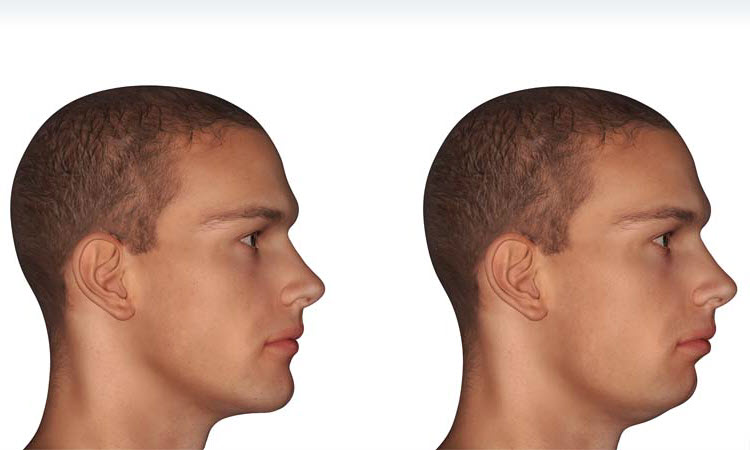
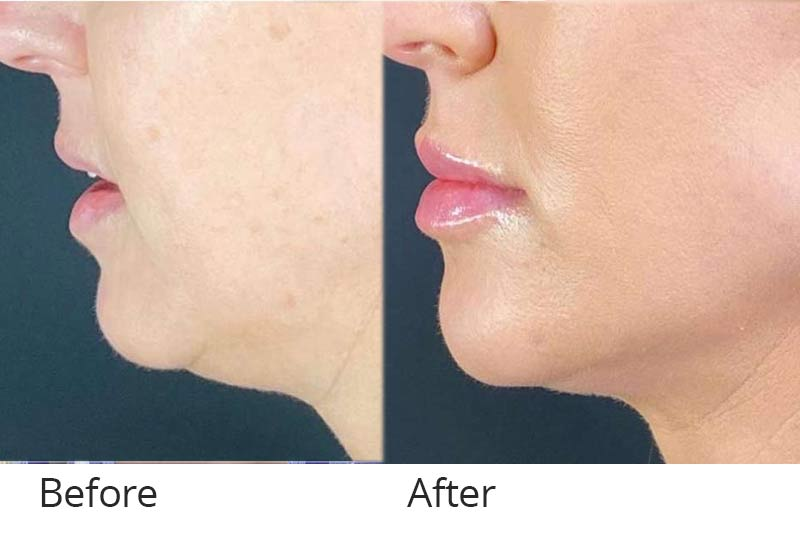
Chin Augmentation: Enhancing Facial Balance A well-defined chin plays a crucial role in creating a harmonious and balanced facial appearance. While many people focus on features like the eyes, nose, or lips, the chin quietly anchors the lower face and contributes significantly to overall symmetry. Chin augmentation is a cosmetic procedure designed to enhance the shape, size, and projection of the chin, helping individuals achieve a more proportionate and aesthetically pleasing look. What Is Chin Augmentation? Chin augmentation, also known as genioplasty, is a cosmetic procedure that improves the contour and structure of the chin. It can be performed using implants or by reshaping the existing bone. The goal is to create better facial balance, especially in relation to the nose, lips, and jawline. Why Consider Chin Augmentation? Many individuals opt for chin augmentation for both aesthetic and functional reasons. Some of the most common motivations include: Types of Chin Augmentation Procedures There are two primary approaches to chin enhancement: 1. Chin Implants This is the most common method, where a biocompatible implant is placed over the existing chin bone to improve projection and shape. The procedure is relatively quick and provides immediate, long-lasting results. 2. Sliding Genioplasty In this surgical procedure, the chin bone is cut and repositioned forward or backward, depending on the desired outcome. It is often recommended for patients with more complex structural concerns. The Procedure: What to Expect Chin augmentation is typically performed under local or general anesthesia, depending on the complexity. The surgeon makes a small incision either inside the mouth or under the chin to minimize visible scarring. Patients may experience mild swelling, bruising, or discomfort, which gradually subsides over time. Recovery and Results Recovery from chin augmentation is generally smooth when proper aftercare is followed. Patients are advised to: Visible improvements can be seen once swelling reduces, with final results appearing within a few months. The outcome is a more balanced, defined, and confident facial appearance. Risks and Considerations Like any surgical procedure, chin augmentation carries some risks, although they are relatively rare when performed by a qualified professional. Potential risks include: Choosing an experienced and board-certified plastic surgeon significantly reduces these risks. Who Is a Good Candidate? You may be a suitable candidate for chin augmentation if you: Final Thoughts Chin augmentation is a powerful yet often underestimated procedure that can dramatically enhance facial balance and confidence. By refining the proportions of the lower face, it helps create a more harmonious and attractive appearance. If you’re considering this treatment, consulting with a qualified plastic surgeon is the first step toward achieving your desired look.

Tummy Tuck Surgery: Benefits, Procedure, Cost & Recovery Guide
Surgery

Tummy Tuck Surgery: Benefits and Recovery Guide

Tummy Tuck Surgery: Benefits and Recovery Guide A tummy tuck, medically known as abdominoplasty, is a popular cosmetic procedure designed to create a firmer, flatter abdomen. Whether due to pregnancy, significant weight loss, or aging, many people experience loose skin and weakened abdominal muscles that cannot be corrected through diet and exercise alone. This surgery offers a long-term solution for improving abdominal contour and confidence. What Is a Tummy Tuck? A tummy tuck involves removing excess skin and fat from the abdominal area while tightening the underlying muscles. The result is a smoother, more toned midsection. Depending on your needs, surgeons may recommend: Key Benefits of Tummy Tuck Surgery 1. Flatter, Firmer AbdomenThe most noticeable benefit is a tighter and more sculpted stomach, especially after weight fluctuations or childbirth. 2. Improved PostureTightening weakened abdominal muscles can provide better spinal support, which may improve posture and reduce back discomfort. 3. Removal of Excess SkinLoose or sagging skin—often resistant to exercise—is permanently removed, enhancing body shape. 4. Reduction in Stretch MarksStretch marks located on the lower abdomen may be reduced or eliminated along with excess skin. 5. Boost in ConfidenceMany patients report improved self-esteem and body image after the procedure. Who Is an Ideal Candidate? You may be a good candidate for a tummy tuck if: The Recovery Process Recovery varies from person to person, but here’s a general timeline: First Week: 2–3 Weeks: 4–6 Weeks: After 8 Weeks: Tips for a Smooth Recovery Risks and Considerations Like any surgical procedure, a tummy tuck carries some risks, including: Choosing a qualified and experienced surgeon significantly reduces these risks. Final Thoughts A tummy tuck can be a transformative procedure for those struggling with excess abdominal skin and weakened muscles. While it’s not a substitute for weight loss or a healthy lifestyle, it can help you achieve a more defined and confident appearance when other methods fall short. If you’re considering this procedure, consult with a certified plastic surgeon to understand your options, expectations, and suitability.

Lip Enhancement Procedures for Fuller Lips: Best Options, Costs & Results
ASthetic Excellence, cosmetic Surgery, Surgery

Lip Enhancement Procedures for Fuller Lips

Lip Enhancement Procedures for Fuller Lips Full, well-defined lips have long been associated with beauty and confidence. With advances in cosmetic treatments, achieving fuller lips is more accessible and customizable than ever. Whether you’re looking for a subtle boost or a more dramatic transformation, there are several lip enhancement procedures to consider. Here’s a comprehensive guide to help you understand your options. Why People Choose Lip Enhancement Lip enhancement isn’t just about aesthetics—it can also restore volume lost with age, improve lip symmetry, and enhance overall facial balance. Some people want a natural, hydrated look, while others prefer a more defined or plump appearance. Non-Surgical Lip Enhancement Options 1. Lip Fillers (Dermal Fillers) Dermal fillers are the most popular non-surgical option for fuller lips. These injectable treatments typically use hyaluronic acid, a substance naturally found in the body. Benefits: Considerations: 2. Lip Flip A lip flip involves injecting a small amount of Botox into the upper lip to relax the muscles, allowing the lip to roll slightly outward. Benefits: Considerations: 3. Lip Plumping Treatments These include topical products or minimally invasive procedures designed to temporarily enhance lip fullness. Benefits: Considerations: Surgical Lip Enhancement Options 1. Lip Implants Lip implants involve inserting soft, flexible implants into the lips for a permanent increase in volume. Benefits: Considerations: 2. Fat Transfer (Fat Grafting) This procedure uses fat from another part of your body (like the abdomen or thighs) and injects it into the lips. Benefits: Considerations: 3. Lip Lift Surgery A lip lift shortens the space between the nose and upper lip, creating a more lifted and fuller appearance. Benefits: Considerations: Choosing the Right Option The best lip enhancement procedure depends on your goals, budget, and tolerance for downtime. If you want flexibility and minimal commitment, non-surgical options like fillers are ideal. For long-term or permanent results, surgical procedures may be worth considering. Before making a decision, it’s important to: Aftercare and Maintenance Proper aftercare ensures the best results: Final Thoughts Lip enhancement procedures offer a range of possibilities—from subtle definition to dramatic volume. With the right approach and expert guidance, you can achieve fuller, natural-looking lips that complement your features and boost your confidence.

Chin Augmentation: Enhance Facial Balance & Define Your Jawline
ASthetic Excellence, cosmetic Surgery

Chin Augmentation: Enhancing Facial Balance

Chin Augmentation: Enhancing Facial Balance Facial harmony plays a powerful role in how we perceive beauty, confidence, and even personality. Among the many features that contribute to a balanced appearance, the chin is often overlooked—yet it has a significant impact on overall facial proportions. Chin augmentation has become an increasingly popular option for individuals seeking subtle yet meaningful improvements in their appearance. What Is Chin Augmentation? Chin augmentation is a cosmetic procedure designed to reshape, enhance, or redefine the chin. The goal is not to create a dramatic transformation, but rather to bring the chin into better proportion with the rest of the face. This can improve the profile, define the jawline, and create a more symmetrical look. There are two primary approaches: Each method offers different benefits depending on the individual’s goals, anatomy, and desired level of permanence. Why the Chin Matters in Facial Balance The chin anchors the lower third of the face. When it is too small, recessed, or asymmetrical, it can make other features—like the nose or forehead—appear more prominent than they actually are. A well-proportioned chin helps: Even minor adjustments to the chin can produce noticeable improvements without altering a person’s natural look. Surgical Chin Augmentation Surgical chin augmentation typically involves placing a biocompatible implant over the existing bone. This procedure is often recommended for individuals seeking a permanent solution or more significant structural change. Benefits: Considerations: Non-Surgical Chin Augmentation For those not ready to commit to surgery, injectable fillers provide a temporary but effective alternative. These treatments involve strategically placing filler material to enhance projection and shape. Benefits: Considerations: Who Is a Good Candidate? Chin augmentation may be suitable for individuals who: A consultation with a qualified professional is essential to determine the best approach based on facial structure and personal goals. Recovery and Results Recovery depends on the type of procedure. Surgical patients may experience swelling and mild discomfort for a few weeks, while filler patients can typically return to normal activities almost immediately. Results—whether temporary or permanent—are usually subtle but impactful. The aim is enhancement, not alteration, preserving the individual’s natural identity while refining proportions. Final Thoughts Chin augmentation is a powerful yet understated way to improve facial harmony. By focusing on balance rather than transformation, this procedure can enhance confidence and create a more refined appearance. Whether through surgical or non-surgical methods, the key is a personalized approach that respects each person’s unique features. As with any cosmetic procedure, thoughtful consideration and expert guidance are crucial to achieving the best results.

Eyelid Surgery (Blepharoplasty): Cost, Benefits & Recovery Guide for Youthful Eyes
ASthetic Excellence

Eyelid Surgery (Blepharoplasty): A Solution for Tired Eyes

Eyelid Surgery (Blepharoplasty): A Solution for Tired Eyes Our eyes are often the first feature people notice—and also the first to show signs of aging. Droopy eyelids, puffiness, and under-eye bags can make you look older, fatigued, or even unwell, even when you feel perfectly fine. Eyelid surgery, medically known as blepharoplasty, is a highly effective cosmetic procedure designed to rejuvenate the eye area and restore a more youthful, refreshed appearance. What is Blepharoplasty? Blepharoplasty is a surgical procedure that removes excess skin, fat, and sometimes muscle from the upper and/or lower eyelids. It is commonly performed for both cosmetic and functional reasons. While many people choose this procedure to enhance their appearance, it can also improve vision in cases where sagging upper eyelids obstruct sight. Why Do Eyelids Start Looking Tired? As we age, the skin loses elasticity and the muscles supporting the eyelids weaken. This leads to: Lifestyle factors such as stress, lack of sleep, sun exposure, and genetics can accelerate these changes. Types of Eyelid Surgery 1. Upper Eyelid SurgeryThis focuses on removing excess skin and fat from the upper eyelids. It helps: 2. Lower Eyelid SurgeryThis targets under-eye bags and wrinkles by repositioning or removing fat and tightening the skin. 3. Double Eyelid Surgery (Asian Blepharoplasty)A specialized procedure that creates a defined crease in the upper eyelid. The Procedure: What to Expect Blepharoplasty is usually performed under local anesthesia with sedation or general anesthesia, depending on the case. The surgeon makes precise incisions along the natural creases of the eyelids to minimize visible scarring. Excess tissue is then removed or repositioned before closing the incisions carefully. The surgery typically takes 1–2 hours, and most patients can go home the same day. Recovery and Aftercare Recovery from eyelid surgery is relatively quick compared to many other cosmetic procedures. Common post-surgery experiences: Recovery tips: Most people return to normal activities within 7–10 days, with full healing over a few weeks. Benefits of Blepharoplasty The results are long-lasting, making it a worthwhile investment for many individuals. Who is an Ideal Candidate? You may be a good candidate for blepharoplasty if you: Risks and Considerations Like any surgical procedure, blepharoplasty carries some risks, though they are rare when performed by a qualified surgeon. Possible risks include infection, dry eyes, scarring, or temporary blurred vision. Choosing an experienced and certified surgeon significantly reduces these risks and ensures optimal results. Final Thoughts Eyelid surgery is more than just a cosmetic enhancement—it’s a way to restore confidence and achieve a naturally refreshed look. If your eyes constantly make you appear tired despite adequate rest, blepharoplasty could be the solution you’ve been looking for. Before making a decision, consult with a qualified specialist who can evaluate your needs and guide you through the process. With the right care and expertise, you can achieve brighter, more youthful eyes that reflect how you truly feel.

Scroll to Top