
ASthetic Excellence

3 Things to Avoid After Rhinoplasty for a Faster and Safer Recovery
ASthetic Excellence, cosmetic Surgery, Rhinoplasty

3 Things to Avoid After Rhinoplasty for a Smooth Recovery

3 Things to Avoid After Rhinoplasty for a Smooth Recovery Rhinoplasty, commonly known as a nose job, is a popular cosmetic and reconstructive procedure that can improve both appearance and breathing function. While the surgery itself is important, the recovery period plays an equally crucial role in achieving the best results. Following your surgeon’s instructions and avoiding certain activities can help prevent complications and ensure a faster healing process. 1. Avoid Touching or Putting Pressure on Your Nose After rhinoplasty, your nose will be delicate and sensitive. Even minor pressure can affect the healing tissues and alter the final outcome of the surgery. What to Avoid: What to Do Instead: Sleep on your back with your head elevated and follow your surgeon’s recommendations regarding eyewear and daily activities. 2. Avoid Strenuous Physical Activities Exercise and heavy lifting can increase blood pressure, leading to swelling, bleeding, and delayed healing. Your body needs time to recover after surgery. What to Avoid: What to Do Instead: Take short walks to promote circulation and gradually return to normal activities only after receiving approval from your surgeon. 3. Avoid Smoking and Alcohol Consumption Smoking and alcohol can significantly interfere with the healing process. Nicotine reduces blood flow to tissues, while alcohol can increase swelling and bruising. What to Avoid: What to Do Instead: Stay hydrated, eat nutritious foods, and maintain a healthy lifestyle to support your body’s natural healing process. Final Thoughts A successful rhinoplasty doesn’t end in the operating room. Proper aftercare is essential for achieving the best possible results. By avoiding pressure on your nose, strenuous activities, and smoking or alcohol, you can minimize complications and support a smoother recovery journey. Always follow your surgeon’s post-operative instructions, attend follow-up appointments, and contact your healthcare provider if you experience unusual pain, excessive bleeding, or signs of infection. With patience and proper care, you’ll be on your way to enjoying the full benefits of your rhinoplasty results.

Most Popular Cosmetic Surgery Procedures in India: A Complete Guide
ASthetic Excellence, cosmetic Surgery

Most Popular Cosmetic Surgery Procedures in India

Most Popular Cosmetic Surgery Procedures in India Enhancing Confidence Through Modern Cosmetic Surgery Cosmetic surgery has become increasingly popular in India as more people seek safe and effective ways to improve their appearance and boost self-confidence. Advances in medical technology, highly skilled surgeons, and affordable treatment options have made cosmetic procedures more accessible than ever. From facial enhancements to body contouring, cosmetic surgery offers personalized solutions to help individuals achieve their aesthetic goals. Let’s explore some of the most popular cosmetic surgery procedures in India. 1. Rhinoplasty (Nose Reshaping Surgery) Rhinoplasty is one of the most sought-after cosmetic procedures in India. It helps reshape the nose to improve facial balance, correct structural defects, or resolve breathing difficulties. Patients often choose rhinoplasty to reduce the size of the nose, refine the nasal tip, or straighten a crooked nose. 2. Liposuction Liposuction is a popular body contouring procedure designed to remove stubborn fat deposits that do not respond to diet and exercise. Common treatment areas include the abdomen, thighs, hips, arms, and chin. The procedure helps create a slimmer and more sculpted appearance. 3. Hair Transplant Surgery Hair loss affects both men and women, making hair transplantation one of the fastest-growing cosmetic procedures in India. Techniques such as Follicular Unit Extraction (FUE) and Follicular Unit Transplantation (FUT) provide natural-looking results and long-term hair restoration. 4. Breast Augmentation Breast augmentation is performed to enhance breast size, improve symmetry, or restore volume lost after pregnancy or weight loss. The procedure uses implants or fat transfer techniques to achieve the desired shape and appearance. 5. Gynecomastia Surgery Gynecomastia surgery is increasingly popular among men who experience enlarged breast tissue. The procedure removes excess fat and glandular tissue, creating a flatter and more masculine chest contour. 6. Facelift Surgery Facelift surgery helps reduce visible signs of aging by tightening facial tissues and removing excess skin. It effectively addresses sagging cheeks, deep wrinkles, and loose skin around the jawline and neck, resulting in a more youthful appearance. 7. Eyelid Surgery (Blepharoplasty) Blepharoplasty is a cosmetic procedure that improves the appearance of the upper and lower eyelids. It removes excess skin, fat, and puffiness, helping patients achieve a fresher and more rejuvenated look. 8. Tummy Tuck (Abdominoplasty) A tummy tuck is designed to remove excess skin and tighten weakened abdominal muscles. It is particularly popular among individuals who have experienced significant weight loss or women seeking post-pregnancy body contouring. 9. Lip Enhancement Lip enhancement procedures, including dermal fillers and lip augmentation surgery, are gaining popularity among individuals seeking fuller, more defined lips. These treatments provide natural-looking volume and improved lip symmetry. 10. Chin and Jawline Contouring A well-defined jawline is often associated with an attractive facial profile. Chin augmentation and jawline contouring procedures help improve facial harmony and create a more balanced appearance. Why Cosmetic Surgery Is Growing in India India has emerged as a leading destination for cosmetic surgery due to its experienced surgeons, advanced healthcare facilities, and cost-effective treatments. Patients can access world-class cosmetic procedures while benefiting from personalized care and modern surgical techniques. Additionally, increasing awareness about aesthetic treatments and improved safety standards have contributed to the growing demand for cosmetic surgery. Choosing the Right Cosmetic Surgeon Selecting a qualified and experienced cosmetic surgeon is essential for achieving safe and satisfactory results. Patients should verify the surgeon’s credentials, review before-and-after photos, discuss realistic expectations, and ensure that the procedure is performed at an accredited medical facility. Conclusion Cosmetic surgery has transformed the way people enhance their appearance and confidence. Whether it’s facial rejuvenation, body contouring, or hair restoration, modern cosmetic procedures offer effective solutions tailored to individual needs. By consulting a skilled cosmetic surgeon and understanding the available options, patients can make informed decisions and achieve their desired aesthetic goals safely and successfully.

Hair Transplant Success Rates: What Patients Should Know
ASthetic Excellence, Hair Transplant

Hair Transplant Success Rates: What Patients Should Know

Hair Transplant Success Rates: What Patients Should Know Understanding the Factors That Influence Hair Transplant Results Hair loss can affect confidence and self-esteem, leading many people to consider a hair transplant as a long-term solution. One of the most common questions patients ask before undergoing the procedure is, “What is the success rate of a hair transplant?” Understanding what contributes to successful results can help patients make informed decisions and set realistic expectations. What Is a Hair Transplant? A hair transplant is a surgical procedure that involves moving healthy hair follicles from a donor area—usually the back or sides of the scalp—to areas experiencing thinning or baldness. Modern techniques such as Follicular Unit Extraction (FUE) and Follicular Unit Transplantation (FUT) have made hair restoration more effective and natural-looking than ever before. What Is the Success Rate of Hair Transplants? Hair transplant procedures generally have a high success rate. In most cases, 90% to 95% of transplanted hair follicles successfully grow in their new location. However, results can vary depending on several factors, including the patient’s overall health, hair characteristics, surgeon expertise, and post-operative care. Factors That Affect Hair Transplant Success 1. Surgeon’s Experience and Skill The expertise of the surgeon plays a major role in determining the outcome of a hair transplant. An experienced surgeon can ensure proper follicle extraction, handling, and placement, resulting in a more natural appearance and higher graft survival rate. 2. Quality of the Donor Area The density and health of hair in the donor area significantly impact the success of the procedure. Patients with strong, healthy donor hair generally achieve better results. 3. Hair Type and Characteristics Hair texture, thickness, color, and curl pattern can influence the final appearance. Thick or curly hair often provides better coverage than fine or straight hair. 4. Patient’s Health and Lifestyle Conditions such as diabetes, smoking, poor nutrition, or certain medications may affect healing and hair growth. Maintaining a healthy lifestyle can improve the chances of successful results. 5. Post-Procedure Care Following the surgeon’s aftercare instructions is essential. Proper scalp care, avoiding strenuous activities, and taking prescribed medications can help protect newly transplanted follicles and support healthy growth. When Will You See Results? Hair transplant results do not appear immediately. Patients typically experience the following timeline: Patience is important, as hair growth occurs gradually over time. Can a Hair Transplant Fail? Although uncommon, hair transplant failure can occur due to poor surgical technique, inadequate blood supply to grafts, infection, or failure to follow post-operative instructions. Choosing a qualified and experienced hair transplant surgeon greatly reduces these risks. Tips for Maximizing Hair Transplant Success Conclusion Hair transplantation is one of the most effective and permanent solutions for hair loss, with success rates typically ranging between 90% and 95%. While the procedure offers impressive results, the outcome depends on factors such as surgeon expertise, donor hair quality, patient health, and proper aftercare. By understanding these factors and choosing a trusted clinic, patients can significantly improve their chances of achieving natural, long-lasting hair restoration results. If you are considering a hair transplant, consult with an experienced hair restoration specialist to determine whether you are a suitable candidate and to develop a personalized treatment plan.

Can Cosmetic Surgery Help After Major Weight Loss?
ASthetic Excellence, cosmetic Surgery

Can Cosmetic Surgery Help After Major Weight Loss?

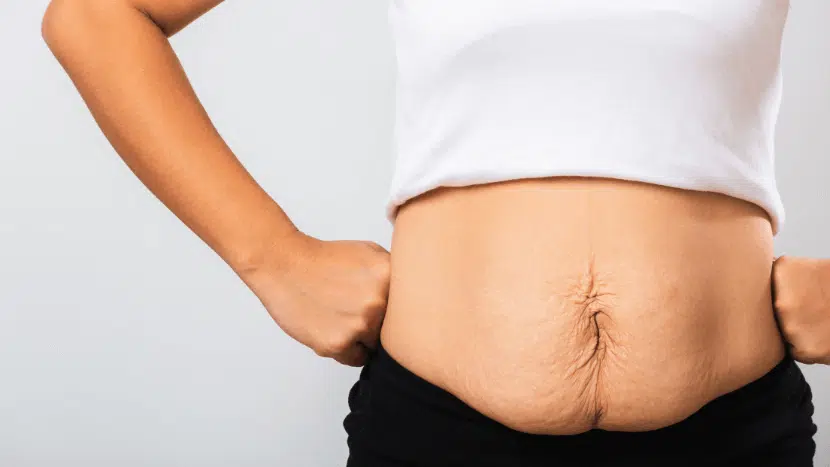
Can Cosmetic Surgery Help After Major Weight Loss? Introduction Achieving significant weight loss is a remarkable accomplishment that requires dedication, discipline, and perseverance. Whether through lifestyle changes, bariatric surgery, or a combination of both, losing a substantial amount of weight can dramatically improve overall health and quality of life. However, many individuals discover that after reaching their weight-loss goals, they are left with excess skin and stubborn tissue that can affect their appearance and confidence. This is where cosmetic surgery can play an important role. Post-weight-loss body contouring procedures can help reshape the body, remove excess skin, and enhance the results of your hard-earned transformation. Why Does Excess Skin Remain After Weight Loss? When the body gains weight, the skin stretches to accommodate the increased size. After major weight loss, especially when a large amount of weight is lost over a relatively short period, the skin may not fully retract. Factors that influence skin elasticity include: As a result, excess skin may develop around the abdomen, arms, thighs, breasts, buttocks, and neck. Common Problems Caused by Excess Skin While excess skin is often viewed as a cosmetic concern, it can also cause physical discomfort and health issues, including: Many patients find that these issues impact their daily lives even after achieving significant weight loss. Cosmetic Surgery Options After Major Weight Loss Several body contouring procedures are designed specifically for individuals who have undergone major weight loss. 1. Tummy Tuck (Abdominoplasty) A tummy tuck removes excess skin and fat from the abdominal area while tightening weakened abdominal muscles. This procedure can create a flatter, firmer, and more contoured midsection. 2. Arm Lift (Brachioplasty) An arm lift addresses loose, hanging skin on the upper arms, helping create a more toned and youthful appearance. 3. Thigh Lift Excess skin around the thighs can be removed and reshaped through a thigh lift, improving both appearance and comfort during physical activities. 4. Body Lift A body lift is a comprehensive procedure that targets multiple areas, including the abdomen, lower back, buttocks, and thighs. It is often recommended for patients with extensive skin laxity following massive weight loss. 5. Breast Lift or Breast Augmentation Weight loss can lead to loss of breast volume and sagging. Breast enhancement procedures can restore shape, position, and fullness. 6. Neck and Face Lift Significant weight loss can also affect facial appearance, causing loose skin around the neck, jawline, and cheeks. Facial rejuvenation procedures can help restore a more youthful look. When Is the Right Time for Surgery? Most plastic surgeons recommend waiting until: A stable weight helps ensure long-lasting surgical results. Benefits of Post-Weight-Loss Cosmetic Surgery Patients often experience several benefits after body contouring procedures: These procedures can help patients fully enjoy the results of their transformation journey. Is Cosmetic Surgery Safe After Weight Loss? When performed by a qualified and experienced plastic surgeon, post-weight-loss cosmetic surgery is generally safe. However, every surgical procedure carries risks, including infection, bleeding, scarring, and delayed wound healing. A thorough consultation and medical evaluation help determine whether you are a suitable candidate and which procedures are most appropriate for your goals. Conclusion Major weight loss is a life-changing achievement, but excess skin can sometimes prevent individuals from fully appreciating their results. Cosmetic surgery offers effective solutions to remove loose skin, improve body contours, and enhance confidence. If you have reached your weight-loss goals and are considering body contouring procedures, consulting with a board-certified cosmetic surgeon can help you understand your options and create a personalized treatment plan. With the right approach, cosmetic surgery can be the final step in completing your transformation and helping you feel your best.

cosmetic surgery tourism
ASthetic Excellence, cosmetic Surgery

Combining Travel and Cosmetic Surgery: A Complete Guide

Combining Travel and Cosmetic Surgery: A Complete Guide Introduction In recent years, medical tourism has gained immense popularity, with thousands of patients traveling abroad every year for cosmetic procedures. Combining travel with cosmetic surgery offers a unique opportunity to enhance your appearance while exploring a new destination. Whether you’re considering a facelift, rhinoplasty, liposuction, breast augmentation, or other aesthetic procedures, careful planning is essential to ensure a safe and successful experience. This guide covers everything you need to know about combining travel and cosmetic surgery, from choosing the right destination to managing your recovery. Why People Choose Cosmetic Surgery Abroad There are several reasons why patients travel internationally for cosmetic procedures: Cost Savings Many countries offer high-quality cosmetic treatments at significantly lower costs compared to the United States, United Kingdom, Australia, and other developed nations. Access to Experienced Surgeons Leading cosmetic surgeons around the world specialize in advanced procedures and often have extensive international training and certifications. Shorter Waiting Times Patients can often schedule procedures much faster than in their home countries. Opportunity to Travel Many patients combine their treatment with a relaxing vacation, allowing them to recover in a comfortable and scenic environment. Choosing the Right Destination Selecting the right destination is one of the most important steps in your cosmetic surgery journey. Consider the following factors: Popular destinations for cosmetic surgery include countries known for advanced healthcare infrastructure and affordable treatment options. Researching Your Surgeon Before booking any procedure, thoroughly evaluate your surgeon. Check Credentials Ensure the surgeon is board-certified and has specialized training in cosmetic or plastic surgery. Review Before-and-After Photos Examine previous patient results to assess the surgeon’s expertise. Read Patient Reviews Patient testimonials can provide valuable insights into treatment quality and overall experience. Schedule a Virtual Consultation Many clinics offer online consultations to discuss your goals, medical history, expected outcomes, and recovery plans. Planning Your Trip Successful medical travel requires careful preparation. Arrange Travel Dates Wisely Allow enough time before surgery for consultations and enough time afterward for recovery before flying home. Book Accommodation Near the Clinic Staying close to your medical facility can make follow-up appointments more convenient. Travel with a Companion Having a friend or family member accompany you can provide emotional support and assistance during recovery. Prepare Important Documents Keep copies of: Understanding Recovery While Traveling Recovery is a critical aspect of any cosmetic procedure. Follow Medical Instructions Strictly adhere to your surgeon’s post-operative guidelines to minimize complications and optimize results. Avoid Excessive Sightseeing While it may be tempting to explore your destination, prioritize rest and healing during the initial recovery period. Stay Hydrated and Eat Nutritiously Proper hydration and nutrition support faster healing and reduce recovery time. Attend Follow-Up Appointments Do not skip post-operative checkups, even if you feel well. Potential Risks to Consider Like any surgical procedure, cosmetic surgery carries risks. These may include: Understanding these risks helps you make informed decisions and prepare accordingly. Tips for a Safe Cosmetic Surgery Vacation Choose Accredited Facilities Only select hospitals and clinics that meet international safety standards. Don’t Make Decisions Based Solely on Price Extremely low prices may indicate compromised quality or safety. Allow Adequate Recovery Time Flying too soon after surgery can increase the risk of complications. Maintain Communication with Your Surgeon Keep in touch with your medical team during and after your return home. Purchase Travel Insurance Consider insurance that covers medical travel and potential complications. Benefits of Combining Travel and Cosmetic Surgery When properly planned, medical tourism can offer several advantages: Many patients find that combining cosmetic enhancement with travel creates a rewarding and life-changing experience. Conclusion Combining travel and cosmetic surgery can be an excellent option for individuals seeking quality aesthetic treatments at competitive prices. However, success depends on careful research, choosing qualified professionals, and allowing adequate time for recovery. By prioritizing safety, planning thoroughly, and following medical advice, you can enjoy a smooth cosmetic surgery journey while experiencing the benefits of medical tourism. Always consult with a qualified cosmetic surgeon to determine the best treatment plan for your unique goals and health needs.

Understanding Revision Rhinoplasty: When and Why It's Needed
ASthetic Excellence, Rhinoplasty

Understanding Revision Rhinoplasty: When and Why It’s Needed

Understanding Revision Rhinoplasty: When and Why It’s Needed Introduction Rhinoplasty, commonly known as a nose job, is one of the most popular cosmetic surgical procedures worldwide. While many patients achieve their desired results after their first surgery, some may require a secondary procedure known as revision rhinoplasty. This specialized surgery is performed to correct functional or aesthetic concerns that remain after the initial rhinoplasty. Understanding why revision rhinoplasty may be needed and what it involves can help patients make informed decisions about their treatment options. What Is Revision Rhinoplasty? Revision rhinoplasty is a secondary nose surgery performed to improve the appearance, function, or both after a previous rhinoplasty procedure. It is generally more complex than primary rhinoplasty because the surgeon must work with altered nasal structures, scar tissue, and sometimes limited cartilage availability. The goal of revision rhinoplasty is to address unresolved issues while preserving or restoring the nose’s natural appearance and proper function. Common Reasons for Revision Rhinoplasty 1. Dissatisfaction with Cosmetic Results Some patients may feel that the final appearance of their nose does not meet their expectations. Common aesthetic concerns include: Revision rhinoplasty can refine these areas and create a more balanced facial appearance. 2. Breathing Difficulties A rhinoplasty should not compromise nasal function. However, some patients experience breathing problems after surgery due to: Revision surgery can restore proper airflow and improve overall nasal function. 3. Structural Changes Over Time The nose continues to heal for up to a year or longer after surgery. In some cases, healing patterns can cause unexpected changes, such as: Revision rhinoplasty helps correct these structural issues and restore stability. 4. Trauma After Initial Surgery An injury to the nose after rhinoplasty can alter the surgical results. Accidents, sports injuries, or falls may damage the nasal framework, requiring corrective surgery. 5. Unsatisfactory Previous Surgical Technique In some cases, the original procedure may not have adequately addressed the patient’s concerns, or excessive tissue removal may have led to cosmetic or functional complications. An experienced revision rhinoplasty surgeon can reconstruct and reshape the nose to achieve better outcomes. When Should You Consider Revision Rhinoplasty? Patience is essential after rhinoplasty. Swelling can persist for many months, and the final results may not be visible immediately. Most surgeons recommend waiting at least 12 months after the initial rhinoplasty before considering revision surgery unless there is a severe functional issue that requires earlier intervention. You may be a candidate for revision rhinoplasty if: What Makes Revision Rhinoplasty More Complex? Revision rhinoplasty is considered one of the most challenging procedures in facial plastic surgery. Factors that increase complexity include: Scar Tissue Previous surgery creates scar tissue that can make surgical dissection more difficult. Altered Anatomy The natural nasal structures may have been modified or removed during the first procedure. Cartilage Grafting Requirements Additional cartilage may be needed to rebuild nasal support. Surgeons often harvest cartilage from the septum, ear, or rib. Customized Surgical Planning Each revision case is unique and requires a highly individualized approach to achieve the best possible results. The Revision Rhinoplasty Process Consultation The surgeon will carefully evaluate: Photographs and imaging may be used to develop a personalized treatment plan. Surgery Depending on the complexity of the case, revision rhinoplasty may be performed using either an open or closed surgical technique. The procedure typically takes longer than primary rhinoplasty. Recovery Recovery varies from patient to patient, but most individuals can return to normal activities within one to two weeks. Swelling gradually improves over several months, with final results becoming visible over time. Choosing the Right Revision Rhinoplasty Surgeon Selecting a qualified and experienced surgeon is crucial for successful revision rhinoplasty. Look for: A surgeon who specializes in complex nasal reconstruction can significantly improve both appearance and function. Conclusion Revision rhinoplasty offers a valuable solution for patients who are dissatisfied with the results of a previous nose surgery or who experience ongoing breathing problems. Because it is a highly specialized procedure, choosing an experienced surgeon and maintaining realistic expectations are essential for achieving a successful outcome. If you are considering revision rhinoplasty, schedule a consultation with a qualified facial plastic surgeon to discuss your concerns and explore the best treatment options for your unique needs.

Chin Augmentation: Benefits, Procedure, Recovery & Natural Results
ASthetic Excellence

Chin Augmentation: Enhancing Facial Harmony Naturally

Chin Augmentation: Enhancing Facial Harmony Naturally A well-defined chin plays a significant role in creating facial balance and harmony. While many people focus on their nose, eyes, or lips, the chin is an equally important facial feature that contributes to an attractive profile and overall appearance. Chin augmentation is a cosmetic procedure designed to improve the size, shape, and projection of the chin, helping patients achieve a more balanced and proportionate look. What Is Chin Augmentation? Chin augmentation, also known as genioplasty or chin enhancement, is a cosmetic procedure that enhances the contour and projection of the chin. The treatment can be performed using a chin implant or through surgical repositioning of the chin bone, depending on the patient’s facial structure and aesthetic goals. This procedure is often recommended for individuals with a weak or receding chin, facial asymmetry, or an imbalanced facial profile. Why Consider Chin Augmentation? A small or underdeveloped chin can make other facial features appear disproportionate. Chin augmentation can help create better balance between the chin, nose, and neck while enhancing overall facial aesthetics. Common reasons people choose chin augmentation include: Types of Chin Augmentation 1. Chin Implants This is the most common form of chin augmentation. A biocompatible implant is placed over the chin bone to improve projection and contour. The implant is customized to complement the patient’s facial features. 2. Sliding Genioplasty This surgical technique involves repositioning the patient’s own chin bone to create the desired shape and projection. It is often recommended for individuals requiring significant correction. 3. Non-Surgical Chin Augmentation Dermal fillers can be used to temporarily enhance chin projection and contour without surgery. While results are immediate, they are not permanent and typically require maintenance treatments. The Chin Augmentation Procedure The procedure generally begins with a comprehensive consultation where the surgeon evaluates facial proportions and discusses the patient’s goals. During surgical chin augmentation: Most procedures are completed within one to two hours and can often be performed as an outpatient treatment. Recovery After Chin Augmentation Recovery is usually straightforward, with most patients returning to their normal activities within a week. What to Expect During Recovery Following your surgeon’s post-operative instructions is essential for optimal healing and long-lasting results. Benefits of Chin Augmentation Enhanced Facial Balance A properly proportioned chin improves harmony among facial features and creates a more attractive profile. Stronger Jawline Definition Chin augmentation can provide a more sculpted and youthful appearance. Long-Lasting Results Surgical chin augmentation offers durable and often permanent results. Improved Confidence Many patients experience greater self-esteem and satisfaction with their appearance after treatment. Who Is a Good Candidate? You may be a suitable candidate for chin augmentation if you: A consultation with an experienced cosmetic surgeon can determine the most appropriate treatment option for your needs. Chin Augmentation and Rhinoplasty: A Popular Combination Chin augmentation is frequently combined with rhinoplasty (nose reshaping surgery) to achieve optimal facial balance. Since the nose and chin significantly influence the facial profile, addressing both areas together can produce highly harmonious and natural-looking results. Are the Results Natural Looking? When performed by a skilled cosmetic surgeon, chin augmentation delivers subtle and natural-looking enhancement. The goal is not to create an artificial appearance but to improve facial proportions and complement the patient’s existing features. Final Thoughts Chin augmentation is a highly effective procedure for improving facial harmony, enhancing jawline definition, and boosting confidence. Whether performed with implants, genioplasty, or non-surgical fillers, chin enhancement can create a more balanced and aesthetically pleasing appearance. If you are considering chin augmentation, consult with a qualified cosmetic surgeon to explore the best options for achieving your desired look.

Eyelid Surgery (Blepharoplasty): Benefits, Procedure & Recovery Guide
ASthetic Excellence, cosmetic Surgery

Eyelid Surgery (Blepharoplasty): Benefits, Procedure & Recovery

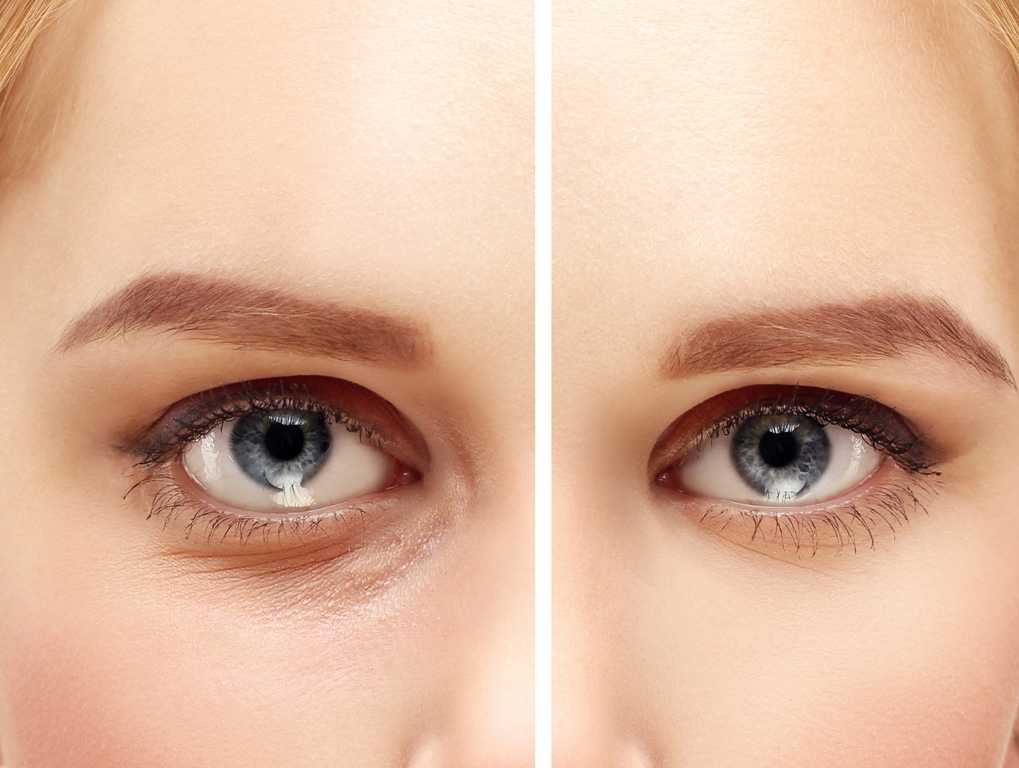
Eyelid Surgery (Blepharoplasty): Benefits, Procedure & Recovery As we age, the delicate skin around the eyes often shows the earliest signs of aging. Drooping eyelids, under-eye bags, and excess skin can make a person appear tired, older, or even affect vision in some cases. Eyelid surgery, medically known as blepharoplasty, is a popular cosmetic and functional procedure designed to rejuvenate the eye area and restore a more youthful appearance. In this blog, we’ll explore the benefits of blepharoplasty, how the procedure is performed, and what to expect during recovery. What Is Blepharoplasty? Blepharoplasty is a surgical procedure that removes or repositions excess skin, fat, and muscle from the upper and/or lower eyelids. The surgery can improve the appearance of puffy eyes, droopy eyelids, and under-eye bags while enhancing facial aesthetics. Depending on the patient’s needs, the procedure may be performed on: Benefits of Eyelid Surgery 1. Creates a More Youthful Appearance One of the primary reasons people choose blepharoplasty is to achieve a refreshed and younger-looking appearance. Removing excess skin and puffiness can make the eyes appear brighter and more alert. 2. Reduces Under-Eye Bags Fat deposits beneath the eyes often create a tired or aged appearance. Lower eyelid surgery can smooth the area and reduce puffiness. 3. Improves Vision In some cases, excess upper eyelid skin can obstruct peripheral vision. Upper blepharoplasty can remove this excess tissue, helping improve sight and daily comfort. 4. Enhances Facial Harmony The eyes are a focal point of the face. Correcting drooping eyelids and under-eye bags can improve overall facial balance and aesthetics. 5. Long-Lasting Results While the aging process continues, the results of blepharoplasty are typically long-lasting, providing years of improvement. Who Is a Good Candidate for Blepharoplasty? You may be a suitable candidate if you: A consultation with a qualified plastic surgeon is essential to determine whether the procedure is right for you. The Blepharoplasty Procedure Consultation and Evaluation Before surgery, your surgeon will evaluate your eye structure, skin quality, medical history, and aesthetic goals. Photographs may be taken for surgical planning. During the Surgery The procedure is usually performed under local anesthesia with sedation or general anesthesia, depending on the complexity. Upper Eyelid Surgery An incision is made along the natural crease of the upper eyelid. Excess skin, fat, and muscle are removed or repositioned before closing the incision. Lower Eyelid Surgery The surgeon may create an incision just below the lash line or inside the lower eyelid. Excess fat is removed or redistributed, and loose skin may be tightened. Duration The procedure generally takes between 1 to 3 hours, depending on whether both upper and lower eyelids are treated. Recovery After Blepharoplasty First Few Days Patients commonly experience: Cold compresses and prescribed medications help manage these symptoms. First Week Most swelling and bruising begin to improve within 7 to 10 days. Many patients feel comfortable returning to work and social activities after one to two weeks. Following Weeks Residual swelling gradually subsides over several weeks. The surgical scars continue to fade and become less noticeable over time. Recovery Tips Potential Risks and Complications Like any surgical procedure, blepharoplasty carries some risks, including: Choosing an experienced and qualified plastic surgeon significantly reduces these risks. How Long Do Results Last? The results of upper eyelid surgery often last for many years and, in some cases, may be permanent. Lower eyelid surgery typically provides long-lasting improvements, as under-eye bags rarely return significantly. Maintaining a healthy lifestyle and proper skincare routine can help prolong the results. Conclusion Eyelid surgery (blepharoplasty) is an effective solution for individuals seeking to rejuvenate their appearance or improve vision affected by drooping eyelids. By removing excess skin and fat around the eyes, the procedure can create a more youthful, refreshed, and alert look. If you are considering blepharoplasty, consult with a board-certified plastic surgeon who can assess your needs and develop a personalized treatment plan to help you achieve natural-looking results.

Recovery Timeline After Rhinoplasty: Week-by-Week Healing Guide
ASthetic Excellence, Rhinoplasty

Recovery Timeline After Rhinoplasty: A Week-by-Week Guide

Recovery Timeline After Rhinoplasty: A Week-by-Week Guide Introduction Rhinoplasty, commonly known as a nose job, is one of the most popular cosmetic procedures worldwide. Whether performed for aesthetic enhancement, improved breathing, or both, understanding the recovery process is essential for achieving the best results. While every patient heals differently, knowing what to expect during each stage of recovery can help reduce anxiety and ensure a smoother healing journey. In this week-by-week guide, we’ll walk you through the typical rhinoplasty recovery timeline. The First 24–48 Hours: Immediate Recovery The first couple of days after surgery are usually the most challenging. Patients may experience: Tips for Recovery: Most patients can return home on the same day as the procedure. Week 1: Managing Swelling and Bruising During the first week, swelling and bruising typically reach their peak before gradually improving. What to Expect: Follow-Up Visit: Around 5–7 days after surgery, your surgeon will remove the splint and any external sutures if necessary. Many patients are pleasantly surprised to see their new nasal shape, although significant swelling is still present. Week 2: Returning to Daily Activities By the second week, most visible bruising has disappeared. Improvements You’ll Notice: Most patients feel comfortable returning to work, school, or social activities during this stage. Continue Avoiding: Weeks 3–4: Significant Healing Progress At this point, healing becomes more noticeable. What Happens: Patients often feel confident enough to resume light exercise after receiving clearance from their surgeon. However, subtle swelling remains, especially around the nasal tip. Months 2–3: Visible Improvements Continue During this stage, the nose starts appearing more natural. Changes You’ll See: Most people won’t notice any signs of recent surgery, although the nose is still healing internally. Patients can usually return to most normal activities, including more vigorous exercise. Months 4–6: Refinement Phase The healing process enters a more gradual phase. Common Developments: Patients with thicker skin may experience a slightly longer recovery period before seeing full refinement. Months 6–12: Final Results Emerge By six months, the majority of swelling has resolved. What to Expect: Although the nose looks nearly complete, subtle internal healing continues. 12–18 Months: Complete Healing For many patients, especially those who undergo extensive reshaping or have thicker skin, final results may take up to 18 months to fully develop. Final Outcome: Patience during this period is essential, as small changes can continue to occur gradually. Factors That Affect Recovery Several factors can influence how quickly you heal: Following your surgeon’s recommendations plays a major role in achieving the best possible outcome. Tips for a Smooth Rhinoplasty Recovery To maximize your results: Conclusion Rhinoplasty recovery is a gradual journey that requires patience and proper care. While initial improvements become visible within a few weeks, the final results may take up to a year or longer to fully appear. Understanding the recovery timeline can help set realistic expectations and ensure a smoother healing experience. If you’re considering rhinoplasty, consult with a qualified cosmetic surgeon who can guide you through every step of the procedure and recovery process, helping you achieve natural, beautiful, and long-lasting results.

Facelift vs Fillers
ASthetic Excellence, cosmetic Surgery

Facelift vs Fillers: Which Option Gives Better Results?

Facelift vs Fillers: Which Option Gives Better Results? As we age, our skin naturally loses elasticity, volume, and firmness. Fine lines, wrinkles, sagging skin, and hollow areas become more noticeable over time. Fortunately, modern aesthetic medicine offers effective solutions to restore a youthful appearance. Two of the most popular options are facelifts and dermal fillers. But which one gives better results? The answer depends on your age, concerns, expectations, and desired longevity of results. Let’s explore both treatments in detail. What Is a Facelift? A facelift, also known as rhytidectomy, is a surgical procedure designed to lift and tighten sagging facial tissues. It addresses deeper signs of aging by repositioning underlying muscles and removing excess skin. Benefits of a Facelift Ideal Candidates for a Facelift A facelift is generally recommended for individuals who: What Are Dermal Fillers? Dermal fillers are non-surgical injectable treatments used to restore lost volume, smooth wrinkles, and enhance facial features. Most fillers are made from hyaluronic acid, a substance naturally found in the body. Benefits of Fillers Ideal Candidates for Fillers Fillers are suitable for individuals who: Facelift vs Fillers: Key Differences 1. Treatment Approach Facelift: Surgical procedure that lifts and tightens sagging tissues. Fillers: Injectable treatment that adds volume beneath the skin. 2. Results Facelift: Delivers dramatic and comprehensive facial rejuvenation. Fillers: Provide subtle to moderate improvements in volume and contour. 3. Longevity Facelift: Results can last 8–15 years depending on lifestyle and aging factors. Fillers: Typically last 6–24 months depending on the type of filler used. 4. Downtime Facelift: Requires recovery time ranging from 2–4 weeks. Fillers: Minimal downtime with most patients returning to normal activities immediately. 5. Cost Facelift: Higher upfront investment due to surgery and anesthesia. Fillers: Lower initial cost but require ongoing maintenance treatments. Which Option Gives Better Results? The answer depends on the degree of facial aging. Choose a Facelift If: Choose Fillers If: Can Facelifts and Fillers Be Combined? Yes. In fact, many cosmetic surgeons recommend combining both treatments for optimal facial rejuvenation. A facelift effectively lifts sagging tissues, while fillers restore volume lost through aging. Together, they can create a more natural, balanced, and youthful appearance. This combination approach often provides the most comprehensive anti-aging results by addressing both skin laxity and volume loss. Final Thoughts Both facelifts and fillers are highly effective cosmetic treatments, but they serve different purposes. A facelift is ideal for correcting significant sagging and delivering long-lasting rejuvenation, while fillers are excellent for restoring volume and enhancing facial features without surgery. The best choice depends on your individual goals, facial anatomy, and stage of aging. Consulting with a qualified cosmetic surgeon can help determine the most suitable treatment plan for achieving natural and satisfying results. Whether you choose a facelift, fillers, or a combination of both, modern aesthetic treatments offer excellent opportunities to look refreshed, youthful, and confident.

Scroll to Top