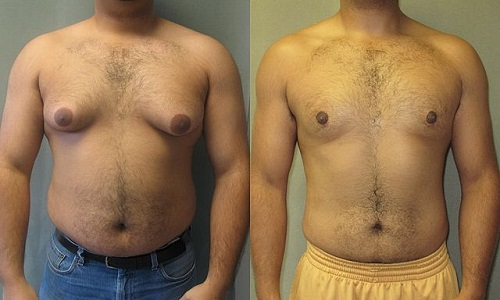

Can Gynecomastia Come Back After Surgery?
Can Gynecomastia Come Back After Surgery? Gynecomastia surgery is a common and effective procedure for men who have enlarged breast tissue. One of the most common questions patients ask before surgery is: “Can gynecomastia come back after surgery?” The short answer is: Yes, gynecomastia can recur in some cases, but true recurrence after properly performed surgery is relatively uncommon. Understanding why it can happen and how to reduce the risk can help you maintain your results for the long term. What Is Gynecomastia? Gynecomastia is the enlargement of male breast tissue caused by an imbalance between estrogen and testosterone. It can affect one or both breasts and may occur during puberty, adulthood, or later in life. Common causes include: Gynecomastia can cause physical discomfort as well as embarrassment or self-consciousness, particularly when wearing fitted clothing or going shirtless. Can Gynecomastia Return After Surgery? In most patients, gynecomastia surgery provides long-lasting results. During surgery, excess glandular breast tissue and/or fat is removed through techniques such as surgical excision and liposuction. When the underlying glandular tissue is completely and appropriately removed, it generally does not grow back. However, breast enlargement can appear again if new factors cause the remaining tissue or surrounding fat to increase. Why Can Gynecomastia Come Back? Several factors may contribute to recurrent or persistent chest enlargement. 1. Hormonal Changes Hormonal imbalance is one of the major causes of gynecomastia. If the hormonal condition responsible for the original enlargement is still present or develops again after surgery, breast tissue may enlarge. Patients with suspected hormonal problems may require medical evaluation before or after surgery. 2. Significant Weight Gain Weight gain after surgery can increase fat deposits around the chest. This may create the appearance of enlarged breasts even when the original glandular tissue has been successfully removed. This is sometimes called pseudogynecomastia, where the enlargement is primarily due to excess fatty tissue rather than breast gland tissue. Maintaining a stable, healthy weight can help preserve your surgical results. 3. Anabolic Steroids Some bodybuilders and athletes use anabolic steroids to increase muscle mass. These substances can affect the body’s hormone balance and may contribute to gynecomastia. Continuing steroid use after surgery may increase the risk of developing chest enlargement again. 4. Certain Medications Some medications can affect hormone levels or their activity in the body. Depending on the medication, this may contribute to gynecomastia. If you notice new breast enlargement after surgery, discuss all medications and supplements you are taking with your doctor rather than stopping prescribed medication on your own. 5. Incomplete Removal of Glandular Tissue Gynecomastia may involve both glandular tissue and excess fat. If the condition is not appropriately assessed and treated, residual tissue may contribute to persistent fullness. This is why proper diagnosis and an individualized surgical plan are important. Is It Really Recurrence or Just Post-Surgery Swelling? Not every increase in chest size after surgery means gynecomastia has returned. During the recovery period, patients can experience: These changes can make the chest look uneven or fuller for several weeks or months. Your surgeon will determine whether the changes are part of normal healing or indicate a recurrence. How Long Do Gynecomastia Surgery Results Last? For most patients, the results of gynecomastia surgery are long-lasting. Once excess glandular tissue and fat are appropriately treated, the chest can remain flatter and more masculine for many years. However, surgery cannot prevent future hormonal changes, major weight fluctuations, or other medical conditions that may affect the chest. How Can You Reduce the Risk of Gynecomastia Coming Back? You can take several steps to protect your results: Maintain a Healthy Weight Avoid significant weight gain after surgery. A stable weight helps prevent excess fat from accumulating around the chest. Follow Your Surgeon’s Instructions Wear compression garments if recommended and follow your surgeon’s instructions regarding exercise, wound care, and recovery. Avoid Unsupervised Steroid Use Anabolic steroids can interfere with normal hormone levels. Avoid using them without appropriate medical supervision. Discuss Medications With Your Doctor If you take medications that may contribute to gynecomastia, discuss your concerns with your doctor. Never discontinue prescribed medication without medical advice. Address Hormonal Problems If your gynecomastia was related to a hormonal condition, treating the underlying problem is important for maintaining long-term results. When Should You See a Doctor After Surgery? Contact your surgeon if you notice: A doctor can examine the chest and determine whether the change is related to normal healing, weight gain, hormonal changes, or recurrent gynecomastia. Can Revision Gynecomastia Surgery Be Done? Yes. If significant glandular tissue or excess fat remains or new enlargement develops, revision gynecomastia surgery may be considered. However, revision surgery requires careful evaluation because scar tissue from the first procedure can make the surgery more complex. The treatment approach depends on the cause of the enlargement and may involve liposuction, glandular tissue excision, or a combination of techniques. Final Thoughts Gynecomastia surgery is generally considered a long-lasting treatment, and true recurrence is uncommon when the underlying cause is addressed and the surgery is appropriately performed. However, hormonal changes, significant weight gain, certain medications, anabolic steroid use, or other medical conditions can cause the chest to become enlarged again. If you notice changes after gynecomastia surgery, don’t assume that the condition has returned. A consultation with a qualified plastic surgeon can help identify the actual cause and determine whether any treatment is necessary. Considering gynecomastia surgery? A proper consultation can help determine the cause of your chest enlargement and the most appropriate treatment for your individual condition.