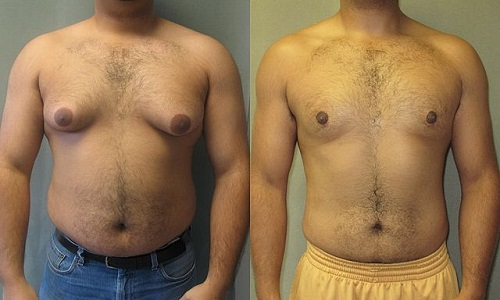

Gynecomastia vs fat

Gynecomastia recurrence after surgery
Gynecomastia

Can Gynecomastia Come Back After Surgery?

Can Gynecomastia Come Back After Surgery? Gynecomastia surgery is a common and effective procedure for men who have enlarged breast tissue. One of the most common questions patients ask before surgery is: “Can gynecomastia come back after surgery?” The short answer is: Yes, gynecomastia can recur in some cases, but true recurrence after properly performed surgery is relatively uncommon. Understanding why it can happen and how to reduce the risk can help you maintain your results for the long term. What Is Gynecomastia? Gynecomastia is the enlargement of male breast tissue caused by an imbalance between estrogen and testosterone. It can affect one or both breasts and may occur during puberty, adulthood, or later in life. Common causes include: Gynecomastia can cause physical discomfort as well as embarrassment or self-consciousness, particularly when wearing fitted clothing or going shirtless. Can Gynecomastia Return After Surgery? In most patients, gynecomastia surgery provides long-lasting results. During surgery, excess glandular breast tissue and/or fat is removed through techniques such as surgical excision and liposuction. When the underlying glandular tissue is completely and appropriately removed, it generally does not grow back. However, breast enlargement can appear again if new factors cause the remaining tissue or surrounding fat to increase. Why Can Gynecomastia Come Back? Several factors may contribute to recurrent or persistent chest enlargement. 1. Hormonal Changes Hormonal imbalance is one of the major causes of gynecomastia. If the hormonal condition responsible for the original enlargement is still present or develops again after surgery, breast tissue may enlarge. Patients with suspected hormonal problems may require medical evaluation before or after surgery. 2. Significant Weight Gain Weight gain after surgery can increase fat deposits around the chest. This may create the appearance of enlarged breasts even when the original glandular tissue has been successfully removed. This is sometimes called pseudogynecomastia, where the enlargement is primarily due to excess fatty tissue rather than breast gland tissue. Maintaining a stable, healthy weight can help preserve your surgical results. 3. Anabolic Steroids Some bodybuilders and athletes use anabolic steroids to increase muscle mass. These substances can affect the body’s hormone balance and may contribute to gynecomastia. Continuing steroid use after surgery may increase the risk of developing chest enlargement again. 4. Certain Medications Some medications can affect hormone levels or their activity in the body. Depending on the medication, this may contribute to gynecomastia. If you notice new breast enlargement after surgery, discuss all medications and supplements you are taking with your doctor rather than stopping prescribed medication on your own. 5. Incomplete Removal of Glandular Tissue Gynecomastia may involve both glandular tissue and excess fat. If the condition is not appropriately assessed and treated, residual tissue may contribute to persistent fullness. This is why proper diagnosis and an individualized surgical plan are important. Is It Really Recurrence or Just Post-Surgery Swelling? Not every increase in chest size after surgery means gynecomastia has returned. During the recovery period, patients can experience: These changes can make the chest look uneven or fuller for several weeks or months. Your surgeon will determine whether the changes are part of normal healing or indicate a recurrence. How Long Do Gynecomastia Surgery Results Last? For most patients, the results of gynecomastia surgery are long-lasting. Once excess glandular tissue and fat are appropriately treated, the chest can remain flatter and more masculine for many years. However, surgery cannot prevent future hormonal changes, major weight fluctuations, or other medical conditions that may affect the chest. How Can You Reduce the Risk of Gynecomastia Coming Back? You can take several steps to protect your results: Maintain a Healthy Weight Avoid significant weight gain after surgery. A stable weight helps prevent excess fat from accumulating around the chest. Follow Your Surgeon’s Instructions Wear compression garments if recommended and follow your surgeon’s instructions regarding exercise, wound care, and recovery. Avoid Unsupervised Steroid Use Anabolic steroids can interfere with normal hormone levels. Avoid using them without appropriate medical supervision. Discuss Medications With Your Doctor If you take medications that may contribute to gynecomastia, discuss your concerns with your doctor. Never discontinue prescribed medication without medical advice. Address Hormonal Problems If your gynecomastia was related to a hormonal condition, treating the underlying problem is important for maintaining long-term results. When Should You See a Doctor After Surgery? Contact your surgeon if you notice: A doctor can examine the chest and determine whether the change is related to normal healing, weight gain, hormonal changes, or recurrent gynecomastia. Can Revision Gynecomastia Surgery Be Done? Yes. If significant glandular tissue or excess fat remains or new enlargement develops, revision gynecomastia surgery may be considered. However, revision surgery requires careful evaluation because scar tissue from the first procedure can make the surgery more complex. The treatment approach depends on the cause of the enlargement and may involve liposuction, glandular tissue excision, or a combination of techniques. Final Thoughts Gynecomastia surgery is generally considered a long-lasting treatment, and true recurrence is uncommon when the underlying cause is addressed and the surgery is appropriately performed. However, hormonal changes, significant weight gain, certain medications, anabolic steroid use, or other medical conditions can cause the chest to become enlarged again. If you notice changes after gynecomastia surgery, don’t assume that the condition has returned. A consultation with a qualified plastic surgeon can help identify the actual cause and determine whether any treatment is necessary. Considering gynecomastia surgery? A proper consultation can help determine the cause of your chest enlargement and the most appropriate treatment for your individual condition.
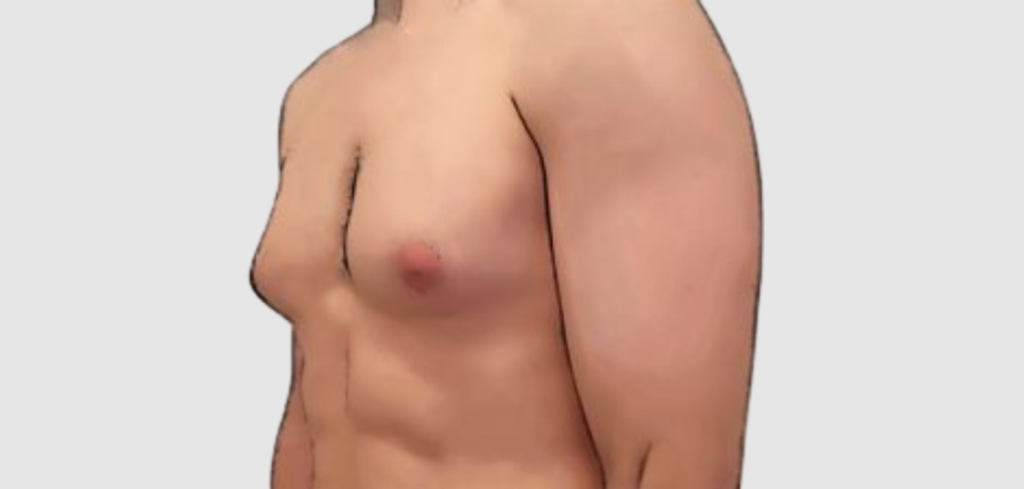

Grade 1 vs Grade 4 Gynecomastia: Which Needs Surgery?
Gynecomastia

Grade 1 vs Grade 4 Gynecomastia: Which Cases Need Surgery?

Grade 1 vs Grade 4 Gynecomastia: Which Cases Need Surgery? Gynecomastia is the enlargement of male breast tissue caused by an increase in glandular tissue, fat, or a combination of both. It can range from a small amount of enlargement around the nipple to significant breast enlargement with excess skin and drooping. Doctors use grading systems to describe the severity of gynecomastia and determine the most appropriate treatment. A commonly used four-grade classification ranges from Grade 1, the mildest form, to Grade 4, the most advanced form. What Is Grade 1 Gynecomastia? Grade 1 gynecomastia is generally considered a mild form. There may be a small amount of firm glandular tissue beneath the nipple or slight protrusion of the areola. Usually, there is little or no excess skin and no significant breast drooping. For some men, Grade 1 gynecomastia may be barely noticeable. However, the appearance of a puffy or protruding nipple can become more visible when wearing fitted clothing or when the chest is exposed. Does Grade 1 Gynecomastia Need Surgery? Not necessarily. Surgery is not automatically required for Grade 1 gynecomastia. If the condition has developed recently, particularly during adolescence, doctors may recommend observation because some cases can improve naturally. If medication, hormonal changes, or another underlying condition is contributing to the enlargement, treating the underlying cause may be considered first. However, surgery may be considered when: Depending on the amount and type of tissue present, treatment may involve excision of glandular tissue, liposuction, or a combination of both. What Is Grade 4 Gynecomastia? Grade 4 gynecomastia represents a much more advanced form of the condition. It generally involves significant breast enlargement along with excess skin and pronounced drooping. The chest can develop a breast-like appearance, and simply removing glandular or fatty tissue may not be enough to achieve the desired result because loose skin can remain. Does Grade 4 Gynecomastia Usually Need Surgery? For persistent Grade 4 gynecomastia, surgery is much more likely to be recommended. Treatment may involve several techniques depending on the individual’s anatomy and the severity of the condition, including: Because Grade 4 cases involve significant skin excess and drooping, the procedure can be more extensive than surgery for mild gynecomastia. Grade 1 vs Grade 4: What’s the Difference? Feature Grade 1 Grade 4 Breast enlargement Mild Significant Excess skin Usually absent Usually substantial Drooping Minimal or absent Severe Nipple position Generally normal May be significantly lower Typical treatment Observation or minor surgery when appropriate Often requires surgical correction Surgical complexity Relatively limited More extensive Skin removal Usually unnecessary May be necessary It is important to understand that the grade alone does not determine whether surgery is necessary. The duration of the condition, symptoms, underlying cause, type and amount of tissue, skin elasticity, age, overall health, and personal concerns can all influence treatment decisions. Can Exercise Get Rid of Gynecomastia? Exercise can help reduce overall body fat and improve the appearance of the chest, particularly when excess fat contributes to chest enlargement. However, true gynecomastia involves glandular breast tissue, which cannot simply be eliminated through chest exercises. This is why some men may continue to have a firm lump or puffy nipple even after losing weight and building chest muscles. A medical evaluation can help distinguish true gynecomastia from pseudogynecomastia, where chest enlargement is primarily caused by excess fatty tissue. When Should You See a Specialist? A medical evaluation may be appropriate if breast enlargement: A specialist can evaluate the condition, identify possible contributing factors, determine its severity, and discuss appropriate treatment options. Final Thoughts Grade 1 and Grade 4 gynecomastia can look very different and may require very different approaches. Grade 1 is usually mild and may not require treatment. However, surgery can be considered when persistent glandular tissue causes significant cosmetic or psychological concerns. Grade 4 is considerably more advanced and often requires surgical treatment because significant excess skin and drooping may need to be corrected along with the underlying breast tissue. Ultimately, there is no single treatment that is right for every patient. A consultation with a qualified plastic surgeon can help determine the severity of gynecomastia and the most suitable treatment based on the individual’s anatomy and goals. This article is for general educational purposes and should not replace an individual medical consultation.

MCh in Plastic Surgery vs MS in General Surgery
ASthetic Excellence

MCh in Plastic Surgery vs MS in General Surgery: What’s the Difference?

MCh in Plastic Surgery vs MS in General Surgery: What’s the Difference? Choosing a surgical specialty is an important decision for medical students and doctors planning their postgraduate careers. Two qualifications that are often compared are MS in General Surgery and MCh in Plastic and Reconstructive Surgery. While both involve extensive surgical training, they differ significantly in their scope, specialization, training pathway, and career opportunities. Understanding these differences can help aspiring surgeons make an informed decision about their professional goals. What Is MS in General Surgery? MS (Master of Surgery) in General Surgery is a postgraduate surgical degree that provides broad training across multiple areas of surgery. During the course, residents develop skills in diagnosing and managing a wide range of surgical conditions. General surgery training may involve areas such as gastrointestinal surgery, breast and thyroid surgery, emergency surgery, trauma, hernia surgery, laparoscopic procedures, and other common surgical conditions. The main objective of MS General Surgery is to develop a strong foundation in surgical principles, patient management, operative techniques, and emergency care. In India, MS General Surgery is a recognized postgraduate qualification, and the National Medical Commission (NMC) lists MS – General Surgery among postgraduate medical courses. What Is MCh in Plastic and Reconstructive Surgery? MCh (Master of Chirurgiae) in Plastic and Reconstructive Surgery is a super-specialty surgical qualification that provides focused training in plastic, reconstructive, and aesthetic surgery. The training covers a wide range of specialized areas, including burn management, hand surgery, microsurgery, craniofacial surgery, cleft surgery, breast reconstruction, aesthetic surgery, and reconstruction of defects involving different parts of the body. According to the NMC curriculum, MCh Plastic and Reconstructive Surgery includes areas such as microvascular surgery, brachial plexus and peripheral nerve surgery, burns and post-burn deformities, craniofacial and paediatric plastic surgery, hand and upper-extremity surgery, breast surgery, aesthetic surgery, and reconstructive surgery. Key Difference Between MS General Surgery and MCh Plastic Surgery The simplest way to understand the difference is: MS General Surgery = Broad surgical training MCh Plastic & Reconstructive Surgery = Advanced specialized training in plastic and reconstructive surgery An MS General Surgery resident learns to manage a broad range of surgical diseases, whereas an MCh Plastic Surgery resident receives specialized training in reconstructive and aesthetic procedures. Training Pathway One of the biggest differences is the position of these qualifications in the postgraduate training pathway. Generally, the pathway is: MBBS → MS General Surgery → MCh Plastic & Reconstructive Surgery MCh is a super-specialty qualification taken after an appropriate postgraduate qualification. NMC regulations describe MCh training as a three-year course after an MD/MS or equivalent recognized qualification in the required subject. For Plastic and Reconstructive Surgery specifically, NMC regulations identify MS/DNB General Surgery and MS/DNB Otorhinolaryngology–Head & Neck Surgery as feeder qualifications. Therefore, MS General Surgery and MCh Plastic Surgery are not simply two alternative degrees at the same level. MS General Surgery is a broad postgraduate surgical qualification, while MCh Plastic Surgery is a super-specialized qualification. What Does a General Surgeon Treat? A general surgeon may manage a wide variety of surgical conditions, including: The exact scope of practice depends on the surgeon’s training, institution, experience, and local regulations. What Does a Plastic Surgeon Treat? Plastic and reconstructive surgeons deal with conditions where restoring function, structure, and appearance may all be important. Their work can include: Plastic surgery is therefore much broader than cosmetic surgery alone. A major part of the specialty is reconstructive surgery, which aims to restore form and function after injury, cancer treatment, burns, congenital conditions, or other medical problems. MS General Surgery vs MCh Plastic Surgery: Quick Comparison Feature MS General Surgery MCh Plastic & Reconstructive Surgery Qualification Master of Surgery Master of Chirurgiae Level Postgraduate surgical degree Super-specialty surgical degree Focus Broad surgical care Plastic, reconstructive & aesthetic surgery Training General surgical principles and procedures Advanced specialized plastic surgery training Scope Multiple surgical specialties and conditions Reconstruction, burns, microsurgery, hand, craniofacial, aesthetic surgery and more Career General surgeon or further specialization Plastic & reconstructive surgery specialist Typical pathway MBBS → MS MBBS → MS/DNB → MCh Is MCh Plastic Surgery Only About Cosmetic Surgery? No. This is one of the most common misconceptions about plastic surgery. Plastic surgery includes both reconstructive surgery and aesthetic surgery. Reconstructive surgery can help patients recover after severe burns, accidents, cancer surgery, congenital abnormalities, or complex wounds. Microsurgery may also be used to transfer tissue from one part of the body to another to reconstruct damaged areas. Aesthetic surgery, on the other hand, focuses on improving or altering appearance through procedures such as rhinoplasty, facelift surgery, body contouring, and other cosmetic procedures. The NMC curriculum specifically includes both reconstructive and aesthetic components in MCh Plastic and Reconstructive Surgery training. Which Is Better: MS General Surgery or MCh Plastic Surgery? There is no universal answer because the two qualifications serve different career goals. MS General Surgery may be a better choice for doctors who: MCh Plastic Surgery may be a better choice for doctors who: Career Opportunities After MCh Plastic Surgery After completing specialized training, plastic surgeons can pursue careers in hospitals, academic institutions, reconstructive surgery centers, trauma and burn units, or private practice. Depending on their additional training and expertise, they may develop focused practices in areas such as: Aesthetic Surgery: Facial and body aesthetic procedures. Reconstructive Surgery: Reconstruction following trauma, cancer, burns, or congenital conditions. Microsurgery: Advanced tissue reconstruction using microsurgical techniques. Hand Surgery: Treatment and reconstruction of complex hand and upper-extremity conditions. Craniofacial Surgery: Management of congenital and acquired facial and skull deformities. Burn Surgery: Acute burn management and reconstruction of post-burn deformities. Final Thoughts MS General Surgery and MCh Plastic and Reconstructive Surgery represent different stages and areas of surgical training. MS General Surgery provides broad surgical knowledge and skills, while MCh Plastic Surgery offers advanced specialization in plastic, reconstructive, and aesthetic surgery. For a medical student or doctor, the right choice should depend on long-term interests, preferred type of surgery, career goals, and the kind of patients they want to

Gynecomastia vs chest fat
Gynecomastia

Gynecomastia vs Chest Fat: How to Tell the Difference

Gynecomastia vs Chest Fat: How to Tell the Difference A fuller or enlarged chest in men is a common concern, but it does not always mean the same thing. In some cases, the enlargement is caused by gynecomastia, a condition involving the development of excess male breast glandular tissue. In other cases, it may simply be chest fat, which is usually related to overall weight gain or increased body fat. Understanding the difference is important because the underlying causes and treatment options can be different. What Is Gynecomastia? Gynecomastia is the enlargement of male breast tissue, usually caused by an imbalance between estrogen and testosterone. It can occur during puberty, adulthood, or later in life. Certain medications, hormonal changes, underlying medical conditions, and lifestyle factors can sometimes contribute to its development. Gynecomastia often appears as a firm or rubbery lump directly beneath the nipple and may affect one or both sides of the chest. What Is Chest Fat? Chest fat, sometimes referred to as pseudogynecomastia, occurs when excess fatty tissue accumulates around the chest without significant enlargement of the underlying breast gland. It is commonly associated with weight gain and higher overall body-fat levels. Unlike gynecomastia, chest fat generally feels softer and is distributed more evenly across the chest. Losing overall body weight can often reduce the appearance of excess chest fat. How Can You Tell the Difference? One of the easiest ways to notice a possible difference is by looking at how the tissue feels. Gynecomastia typically feels firmer beneath the nipple, while chest fat tends to feel soft and spread out. Gynecomastia may also cause the nipple and areola to appear more prominent or puffy. However, these signs are not enough to make a definite diagnosis. Some men can have both gynecomastia and excess chest fat at the same time. Does Exercise Get Rid of Gynecomastia? Exercise can be highly effective for reducing overall body fat and improving the appearance of the chest. However, if the enlargement is primarily caused by glandular breast tissue, exercise alone may not completely eliminate it. Strength training can build the chest muscles and improve definition, but it does not directly remove excess glandular tissue. If chest enlargement persists despite maintaining a healthy weight and exercising regularly, a medical evaluation can help determine the cause. When Should You See a Doctor? Persistent chest enlargement should be evaluated by a qualified medical professional, particularly if it develops suddenly, is painful, occurs mainly on one side, or is associated with a firm lump, nipple discharge, skin changes, or other unusual symptoms. A doctor can assess the chest, review medications and medical history, and recommend additional tests if necessary. Treatment Options Treatment depends on the underlying cause. For chest fat, improving diet, increasing physical activity, and achieving a healthy body weight may significantly improve the chest contour. When true gynecomastia is present and does not improve on its own, treatment may include medication in selected cases or surgery. Gynecomastia surgery commonly involves removing excess glandular tissue, and liposuction may be used when excess fat is also present. The appropriate approach depends on the individual’s anatomy and the amount of glandular tissue and fat present. Final Thoughts Gynecomastia and chest fat can look similar, but they are different conditions. Chest fat is primarily an accumulation of fatty tissue, while gynecomastia involves the enlargement of glandular breast tissue. Knowing the difference can help you choose the right approach instead of relying only on exercise or weight loss. If you are concerned about persistent male chest enlargement, consulting a qualified specialist is the best way to identify the underlying cause and discuss appropriate treatment options.

Scroll to Top